The European Union’s executive branch has approved a multibillion-euro state aid package for Poland’s first nuclear power plant.
Warsaw views the decision as crucial to launching the project at Lubiatowo-Kopalino on the Baltic coast.
He added that the approval came “in record time,” noting the entire process moved “almost twice as fast as the last such decision in Europe.”
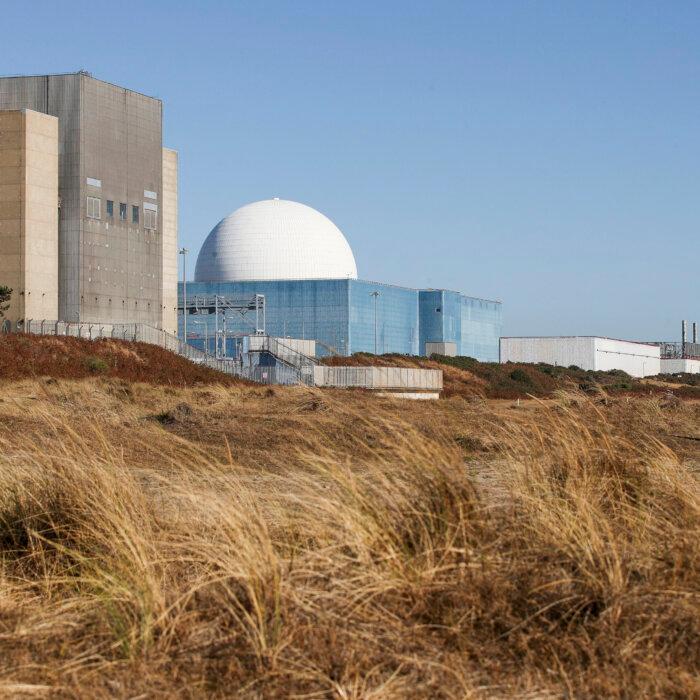
The Dec. 9 decision comes amid a broader global nuclear revival, as countries seek to strengthen energy security, meet climate goals, and reduce reliance on fossil fuels.
EC Investigation
The approval follows the commission’s investigation that opened in December 2024, three months after Poland proposed a support package for the nuclear power project.Poland said it intended to support Polskie Elektrownie Jadrowe (PEJ), a fully state-owned company, to enable construction of three AP1000 nuclear reactors, each with a capacity of 1,250 megawatts.
Total capital expenditure for the project is estimated at 42 billion euros ($49.1 billion) in nominal terms.
The package includes an equity injection covering roughly 30 percent of project costs, state guarantees covering 100 percent of PEJ’s debt financing, and a 40-year two-way contract for difference (CfD).
Under the CfD, Poland will pay the operator when market power prices fall below a strike price set under a methodology reviewed by the EC, while PEJ will return excess revenue when market prices rise above the strike price.
The EC’s investigation reviewed whether the support was appropriate and proportionate. It also examined whether it risked distorting electricity markets and whether it complied with EU rules.
The EU reiterated that member states remain free to decide on their energy mix, including whether to use nuclear power. But any aid must be necessary, proportionate, and not distort competition contrary to the common interest.
Brussels said it received comments from several third parties that “broadly supported the project and highlighted its strategic importance for Poland’s long-term energy security and decarbonisation objectives.”
Adjustments to Satisfy Brussels
To address concerns raised during the investigation, Poland agreed to significant changes.It shortened the subsidy period from 60 to 40 years, revised the CfD design to incentivize efficient plant operations and ensure responsiveness to market signals, and calibrated the strike price using a discounted cash flow model to prevent overcompensation.
Warsaw also agreed to a system that requires PEJ to share any excess profits with the state if its returns exceed normal market levels and to regularly update the cost assumptions in its financial model.
To limit market concentration, at least 70 percent of the plant’s electricity must be sold on open power exchanges, and the rest will be auctioned transparently.
Poland also promised to keep PEJ legally and operationally separate from other major energy companies.
The plant is expected to operate at an 88.5 percent capacity factor by 2040, supplying steady baseload power to industry and helping Poland reduce its reliance on coal.