The European Union added Venezuela to its list of “high-risk” jurisdictions on June 10 for money laundering and terrorist financing that pose significant threats to the EU financial system.
The 10 countries on the list are Algeria, Angola, Ivory Coast, Kenya, Laos, Lebanon, Monaco, Namibia, Nepal, and Venezuela. Barbados, Gibraltar, Jamaica, Panama, the Philippines, Senegal, Uganda, and the United Arab Emirates were removed from the list.
The European Commission noted that a “thorough technical assessment, based on specific criteria and a well‑defined methodology,” was carried out to update the list, using input from the Financial Action Task Force (FATF), particularly for its list of “Jurisdictions under Increased Monitoring,” with information gathered through bilateral dialogues and visits to the countries concerned.
“Alignment with FATF is important for upholding the EU’s commitment to promoting and implementing global standards,” it noted.
The commission indicated that the list was updated in accordance with the requirements of Article 9 of the Fourth Anti-Money Laundering Directive, which requires the commission to regularly update the list of high-risk third-country jurisdictions.

The measure will come into force after its assessment and approval by the European Parliament and the council within one month, which may be extended by one more month.
EU and member state legislators have up to two months to challenge the new list.
A report submitted by the CASLA Institute to the Organization of American States (OAS) on May 15 denounced the crimes against humanity committed by the current Venezuelan government to repress the opposition and maintain its hold on power.
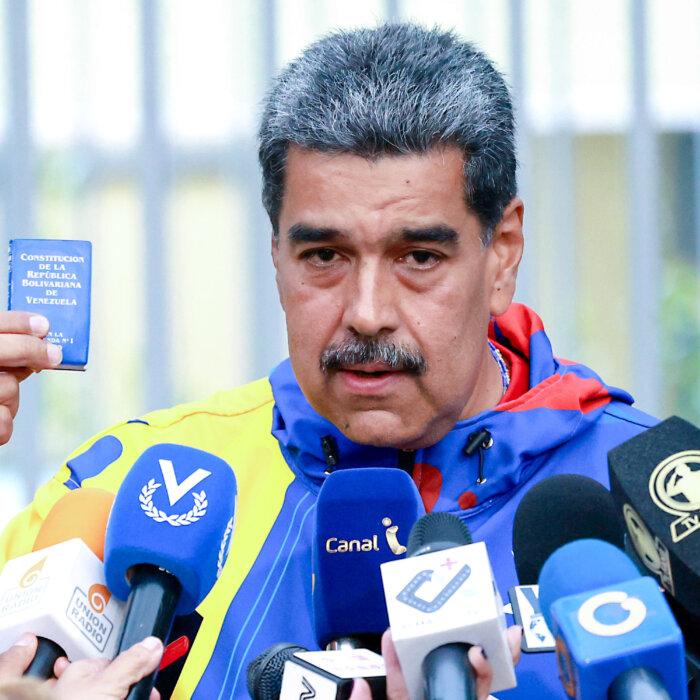
The Venezuelan regime, led by Nicolás Maduro, rejected its country’s inclusion on the list, calling it “ridiculous.”
The statement describes Venezuela as “a growing economy, with political stability and institutions for the people.”
“The regime’s ability to incorporate institutions and organizations into its strategy of controlling power has been essential to keeping its criminal structure intact,” the report states.
To date, nearly 8 million Venezuelans have fled the country, fleeing repression and the lack of decent opportunities to survive.