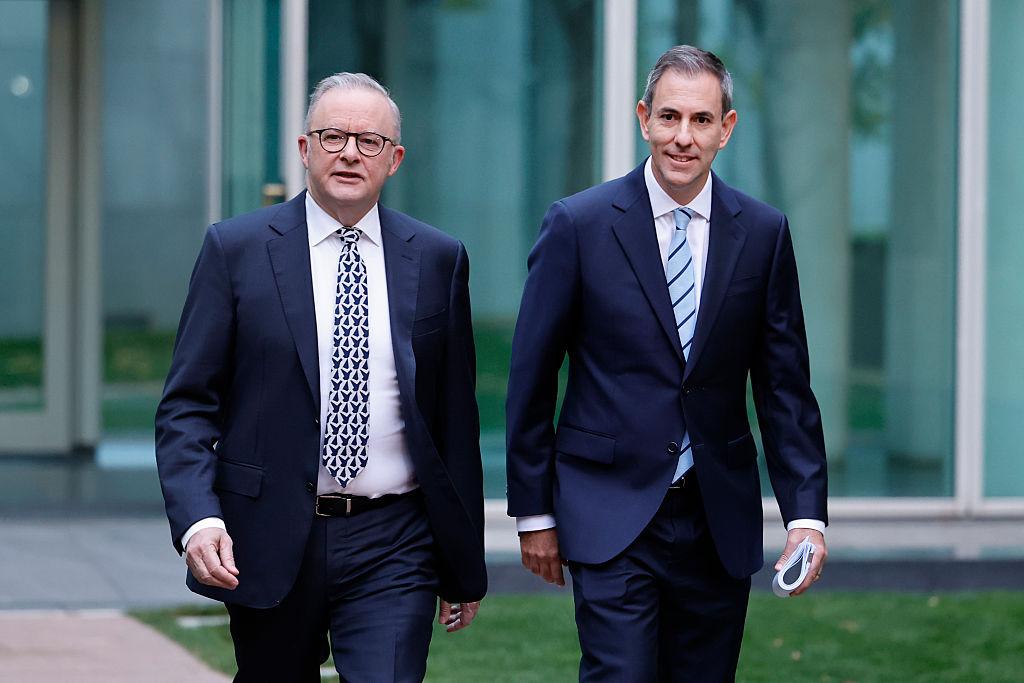
Treasurer Jim Chalmers has unveiled targeted measures to ease immediate cash flow pressure on Australian businesses amid the ongoing fuel crisis and rising costs.
At the centre of the package is a temporary tax relief, with the Australian Taxation Office offering flexibility to businesses struggling to meet tax obligations.
The measures include extended payment plans, waivers on interest and penalties, and adjustments to PAYG (Pay As You Go) instalments for businesses experiencing reduced income.
“What we’re announcing today will make our systems more flexible, our supply chains more responsive, and also businesses more supportive as well,” Chalmers said during a press conference on April 1.
The ATO will also pause some debt collection and limit compliance activity in the most affected sectors, with a dedicated support channel for businesses seeking relief.
However, the support is temporary and conditional. Businesses must continue to lodge tax returns, and access to relief depends on meeting eligibility thresholds.
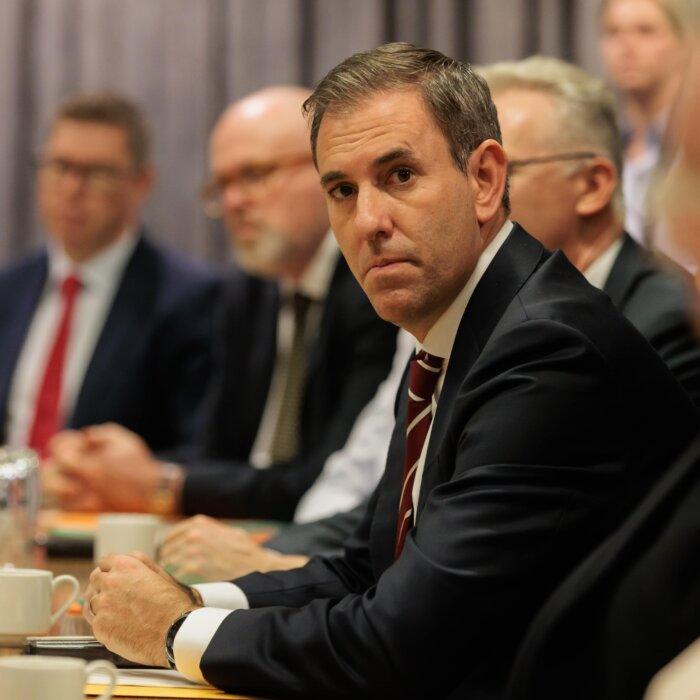

Facilitating Credit Access for Small Businesses
At the same time, the government will extend the Small Business Responsible Lending obligation exemption for a further 10 years.The move seeks to accelerate loan approvals and cut regulatory delays for small businesses, but stops short of providing direct relief for borrowing costs.
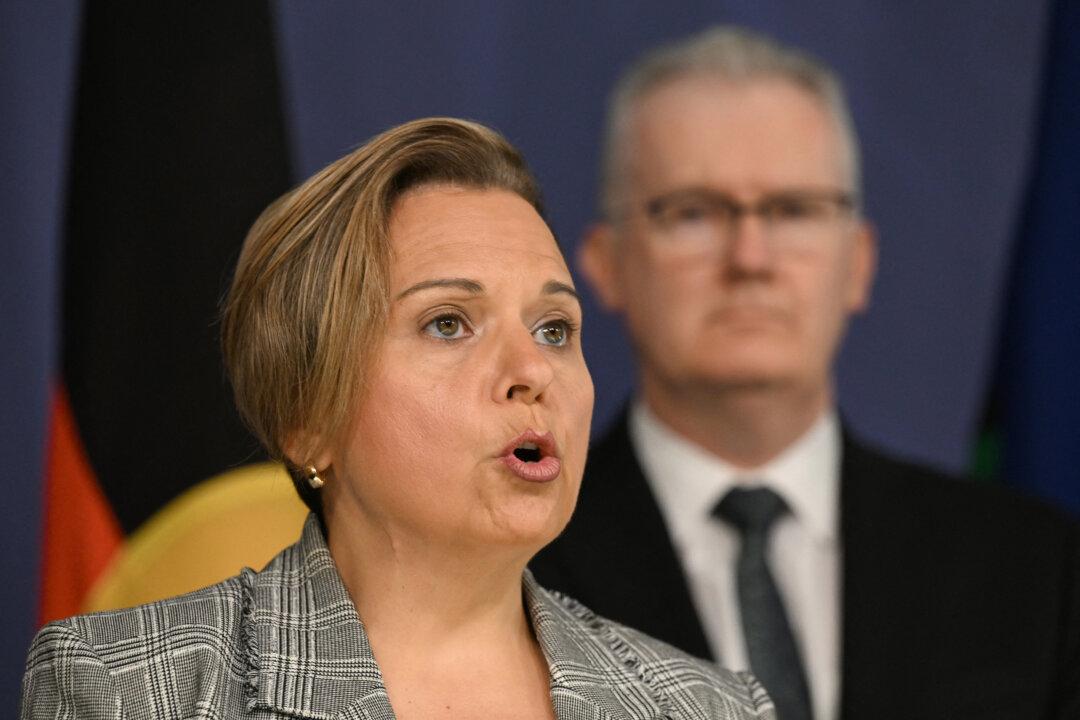
Small Business Minister Anne Aly defended the measure, pointing to the need for credit by fuel-dependent sectors like tourism and hospitality.
Banks and Large Businesses Step In
Alongside government measures, banks have rolled out support initiatives such as loan deferrals, restructuring and emergency credit.“So whilst monitoring the hardship trends and requests for assistance and providing that information to government, banks are also stepping up in terms of the targeted assistance,” Australian Banking Association CEO Simon Birmingham said.
“Whether you are indeed a farmer needing assistance to restructure, whether you are a small business affected by supply chain shocks, or a transport or logistics business feeling the pressure in the fuel industry, we are making sure the additional assistance is there, including for households who are under duress and pressure at this time.”
Birmingham, who was a former Liberal senator, also urged struggling households and businesses to reach out to their banks for assistance.
Business Council of Australia CEO Bran Black, whose organisation represents more than 130 of Australia’s leading companies, said large businesses had also stepped in to support suppliers and workers.
For example, some major supermarket chains have reduced their fuel levy reviews from monthly to fortnightly to shield transport operators from steep fuel cost increases. Meanwhile, companies such as GrainCorp have increased freight payments in line with rising costs.
Opposition’s Response
Opposition Leader Angus Taylor said the Coalition would support measures to help small businesses but blamed the government for failing the sector.“We will always support measures that are going to help small businesses in this in this country,” he told reporters shortly after the announcement.
However, Taylor highlighted rising insolvencies even before the fuel crisis, saying the government had done little to support small enterprises.
“Small businesses are being hurt by this government’s policies … strong small businesses mean strong communities … but that hasn’t been the case,” he added.