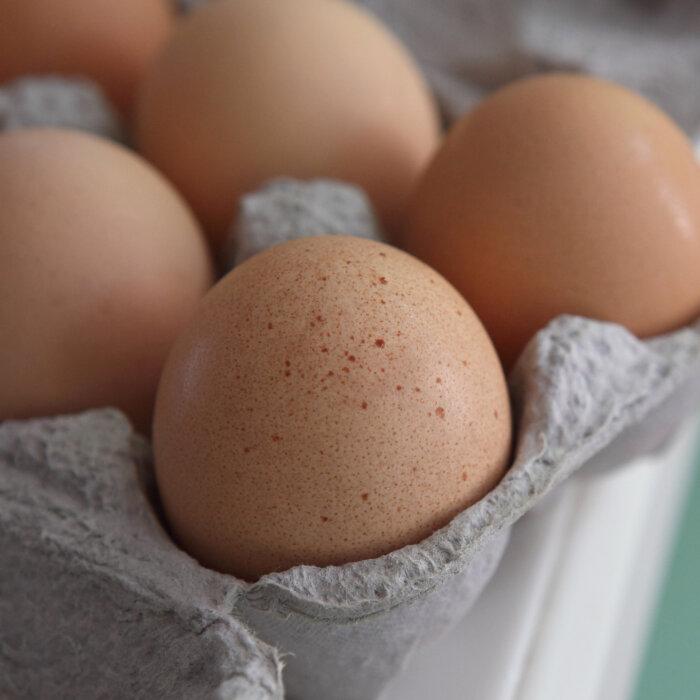
Egg prices in Australia have soared nearly 19 percent in a year after Labor provided reassurances in 2024 that supply would not be a major issue.
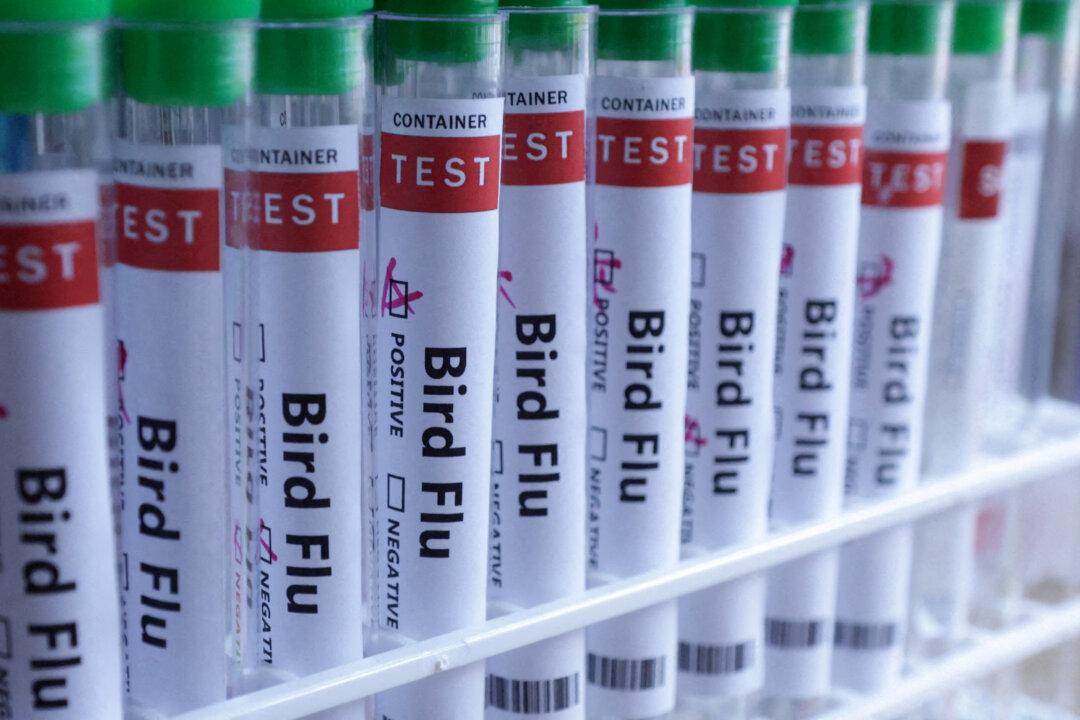
Millions of birds were culled in Australia in 2024 amid highly pathogenic strains of avian influenza reaching farms in multiple states, bringing into question supply capacity.

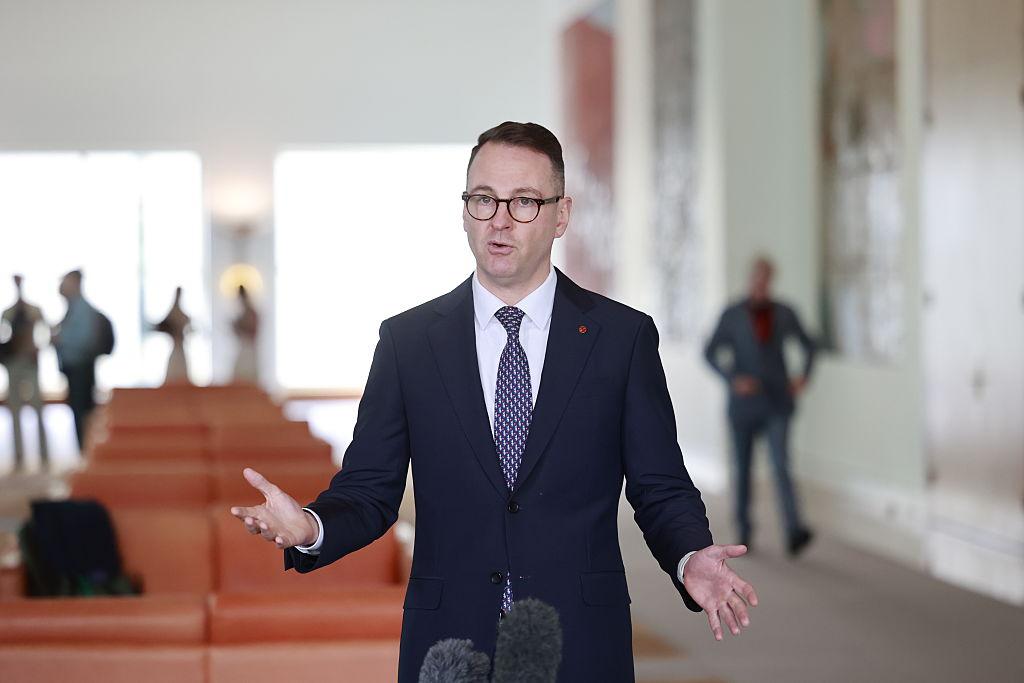
Labor Minister Murray Watt, who previously served in the agriculture portfolio, downplayed fears of an egg shortage as the bird flu impacted farms in 2024.
“The advice to me is there’s no reason to be worried about a national shortage of eggs,” he said at the time.
“Every day, Australia produces 18 million eggs, and even with a handful of poultry farms now out of action, there’s no risk to that supply in the near future or at all.”
In March 2025, industry group Australian Eggs said that 7 percent of Australia’s egg production capacity was lost to avian influenza in 2024.
“Many of the farms impacted last year have now returned to normal production and other farms have been increasing their capacity to help keep up with increased demand and fill that deficit,” Australian Eggs managing Director Rowan McMonnies said.
As bird flu again struck egg farming businesses in Victoria in 2025, McMonnies said, “This recent outbreak is a setback for production levels returning to normal, but if Australia remains free from avian influenza for the rest of the year, we can expect to see the return of well-stocked shelves towards the end of the year.”
McMonnies noted that high demand had put the supply of eggs under strain.
Transition to Free Range Egg Production
Meanwhile, Australia’s transition from caged egg production to free-range egg production has also weighed on egg supply.In January 2025, the CEO of Egg Farmers of Australia, Melinda Hashimoto, put down the egg shortages to three major factors: the transition from cage egg production to free range, bird flu, and seasonal demand.
“The egg industry is facing a transitional period as some egg farms transition from cage egg production to barn-laid or free-range production systems,” Hashimoto said.
“It takes time and capital expenditure to establish new farming infrastructure.”
Free-range eggs are produced from hens that have access to an outdoor range during the day. Cage eggs are derived from hens caged in climate-controlled sheds.
Australia has brought forward the phasing out of caged egg production by 10 years from 2046 to 2036. This came about in July 2023, when federal and state agriculture ministers endorsed updated Australian welfare standards and guidelines for poultry.
At the time, Watt hit back at concerns that this shift to stop caged egg production could drive up prices and lead to shortages.
“I don’t think there is anywhere near the sort of likelihood of these sort of consequences that some of these industry groups and some politicians are carrying on about,” he said on Sky News Australia.
Egg Prices Fall in the US in April
In the United States, the average price for eggs fell by 10.5 percent in April, according to the Bureau of Labor Statistics Consumer Price Index report.The White House called it the “largest one-month decline in more than four decades.”
However, egg prices were still 49.3 percent higher than in April 2024.