Federal legislators need to address “loopholes” that hinder efforts to combat extortion-related shootings in British Columbia, including one that permits suspects to seek refugee status, Premier David Eby says.
Eby referenced Bill C-12, known as the Strengthening Canada’s Immigration System and Borders Act, which is currently undergoing its second reading in the Senate, and Bill C-14, which is aimed at bolstering bail laws.
“We cannot wait any longer,” Eby said during the press conference after meeting with South Asian business leaders on Feb. 3.
“These are essential tools that police need now. They reflect the understanding of Canadians of what should happen when someone is arrested for these serious crimes that cut at the very heart of the community.”
Eby cited an example involving two temporary residents linked to the extortions who were apprehended and subsequently claimed refugee status, allowing them to remain in the country for a full refugee hearing rather than being deported.
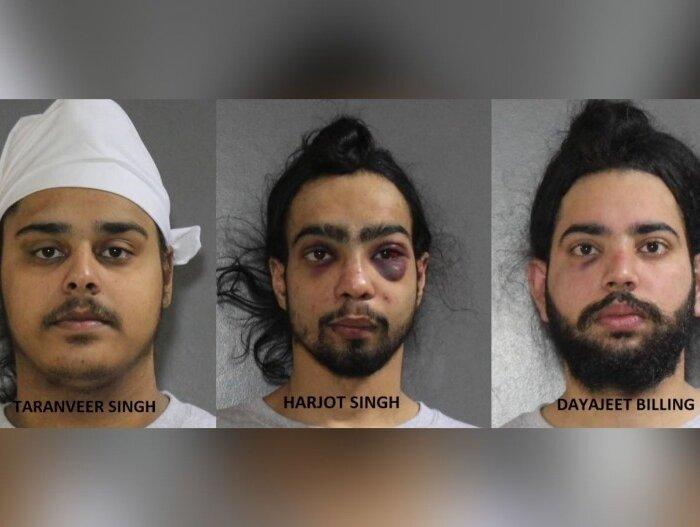
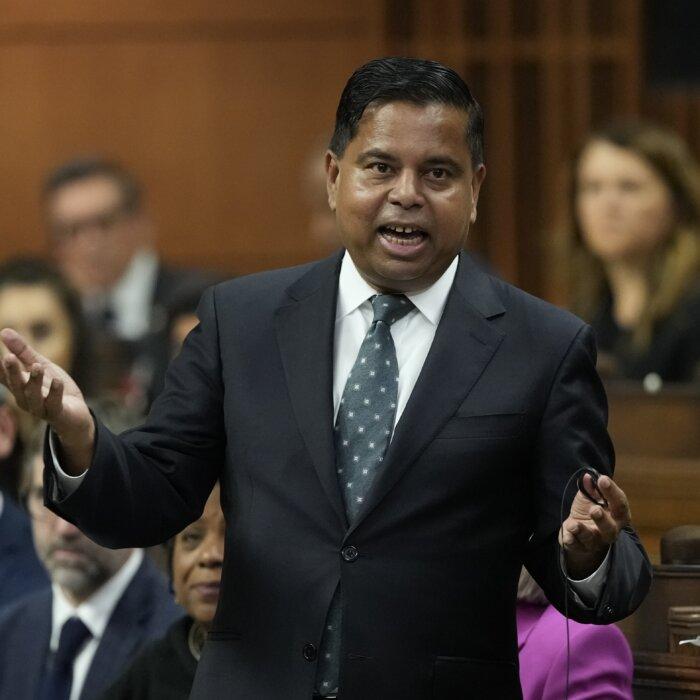
“The idea is ludicrous that somebody involved in… a terror attack in our community that is ongoing, is allowed to claim the benefits of refugee status in our country, out of concern about being returned to the world’s largest democracy, India,” Eby said.
A media statement issued by the Canada Border Services Agency (CBSA) indicated that its Pacific Region office was conducting an investigation as of Jan. 20 into 111 foreign nationals who may be deemed inadmissible due to alleged violations of the Immigration and Refugee Protection Act. It said nine people have been removed from Canada to date.
Eby said the current system needs reform because, in the meantime, some South Asian business leaders in Surrey and the surrounding Lower Mainland are on the brink of closing their doors due to the ongoing extortion racket.
Extortion-related threats, shootings and intentional fires are “undermining commerce and business success south of the Fraser,” Eby said.
Police Response
The British Columbia Extortion Task Force was put in place last fall to investigate the extortion-related crimes that primarily target members of the South Asian community.RCMP Assistant Commissioner John Brewer told reporters during his four-month update in January that multiple groups are involved in the ongoing criminal activities and the task force is “actively hunting” suspects in 32 files across the Lower Mainland.
Surrey police are also involved in investigating the incidents and have opened 46 extortion cases in 2026 alone. The city force has implemented Project Assurance, a patrol program to monitor neighbourhoods that have been affected by extortion-related violence.
Despite the heightened police presence, Eby said he has received community feedback that the response from law enforcement is lacking.
Eby said the province would appoint a community advisory group to work with the B.C. Extortion Task Force to ensure police understand what he described as the “slow-motion terrorism” of extortion.
The premier said the group will help strengthen communications between the task force, the Surrey Police Service, and the community and will help address the “inconsistent communications” that lead community members to feel that “everybody is not on the same page,” Eby said during the press conference.
“That is not acceptable,” he said, adding that the national head of the RCMP will meet with the Surrey Police Service and the head of the task force to reinforce that message.
Eby said the arrest of three male suspects shortly after the incident helps with public confidence.
“This is what people have been expecting from the beginning,” Eby said.
Surrey Police Service Chief Norm Lipinski said in a statement that the extortion crisis won’t be solved by police alone and that he supported Eby’s call for additional support and new mechanisms to address the ongoing “crisis.” He also described community involvement as key to snuffing out the ongoing extortions.
National Issue
Although Surrey now appears to be the focal point of extortions in British Columbia, similar incidents have taken place in the Prairies and Ontario, with some cases connected to the Lawrence Bishnoi crime group originating from India, Eby noted.He said the extortion issue was front and centre during his conversations with Prime Minister Mark Carney and Public Safety Minister Gary Anandasangaree last week while attending a first ministers meeting in Ottawa.
A meeting of police service officials from British Columbia, Alberta, Manitoba, and Ontario, as well as senior leadership from the RCMP is set to convene within the next two weeks to pinpoint deficiencies in communications, information sharing, or resources regarding “this national concern,” Eby said.
Surrey Mayor Brenda Locke was in Ottawa this week to urge the federal government to declare the ongoing extortion-related crimes a national emergency.
Her visit came a few days after Anandasangaree announced the federal government would send 20 additional RCMP officers to Surrey to tackle violence associated with extortion, and that helicopters would also be deployed.
Locke has said she is thankful for the extra resources, but more help is needed.
Locke described the advisory group announced by the province to improve communication between the public and the extortion task force as a welcome measure to “amplify the voices of residents and business owners who have been victimized,” but said more must be done.
B.C. Conservative Interim Leader Trevor Halford and Steve Kooner, critic for the attorney general, said in a media statement that an advisory group is not a sufficient response.
“The NDP have been too little too late in addressing extortion,” he said, referring to Eby’s government. “The time for talk is over. They must take action and call for the federal government to deport dangerous criminals immediately.”