The World Health Organization (WHO) said on May 22 that the Ebola outbreak in the Democratic Republic of the Congo now poses “very high” risk at the national level, with 82 confirmed infections to date.
“We are now revising our risk assessment to very high at the national level, high at the regional level, and low at the global level,” he told reporters. “But we know the epidemic in DRC is much larger.”
At least 82 cases have been confirmed in Congo so far, including seven confirmed deaths. There are also close to 750 suspected cases and 177 suspected deaths, according to Ghebreyesus.
Two confirmed cases have been reported in Uganda, including one death. Ghebreyesus said the situation in Uganda remains stable and that measures have been put in place to curb the spread of the virus.

“The measures taken in Uganda, including intense contact tracing and cancelling the Martyrs’ Day commemoration, appear to have been effective in preventing the further spread of the virus,” he said.
One American national who was working in Congo tested positive for the virus and was transferred to Germany for medical care. Authorities did not disclose the nature of the patient’s work.
Ghebreyesus said the WHO is aware of reports that another American national considered “a high-risk contact” has been transferred to the Czech Republic, but he did not elaborate.
“CDC has activated our Emergency Response Center for this outbreak,” Dr. Satish Pillai, the CDC’s Ebola response incident manager, said during a May 17 press conference.
Pillai said the CDC is aiding Congo and Uganda with surveillance, contact tracing, lab testing, infection prevention, and control measures in response to the outbreak.
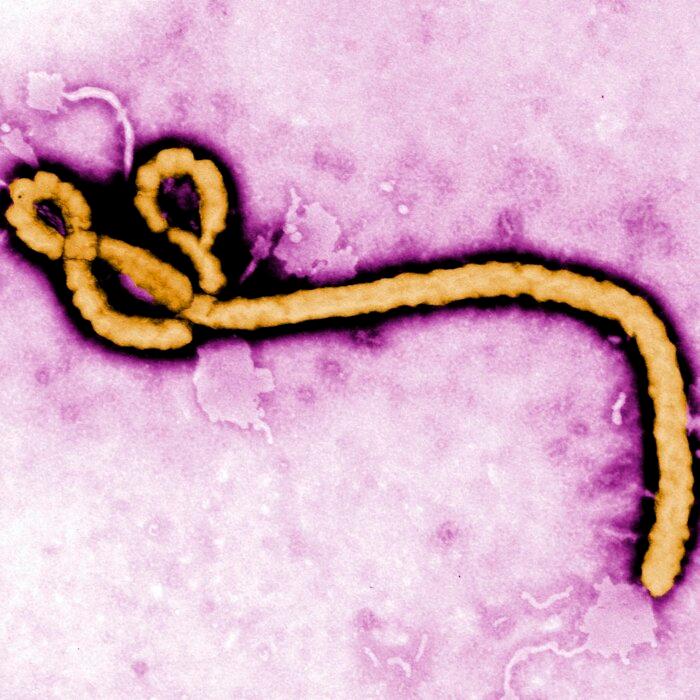
Ebola is caused by infection with an orthoebolavirus and spreads through contact with the blood or bodily fluids of infected people, according to the WHO. The Bundibugyo strain previously caused outbreaks in Uganda in 2007 and in Congo in 2012.
Early symptoms of the virus can include fever, fatigue, muscle pain, headache, and sore throat. These may later progress to vomiting, diarrhea, abdominal pain, and impaired kidney and liver functions.