A Dutch minister has raised concerns in Washington over a proposed U.S. bill that seeks to tighten restrictions on technology exports to China.
Dutch Trade Minister Sjoerd Sjoerdsma discussed the issue with U.S. Commerce Secretary Howard Lutnick and members of Congress during a visit this week.
The talks focused on the MATCH Act, a bipartisan proposal aimed at limiting China’s access to advanced chip technology by encouraging closer coordination on export controls among the United States and its allies.
The Netherlands broadly shares Washington’s goal of preventing sensitive technology from reaching China, Sjoerdsma said. However, he expressed concern about parts of the bill that could affect how allies manage their own policies.
“Elements in that Act seem to suggest that the United States might take control over some of these decisions that affect our national security and the way our companies operate,” Sjoerdsma told reporters.
He also warned against moving from voluntary cooperation to what he described as “cooperation by force.”

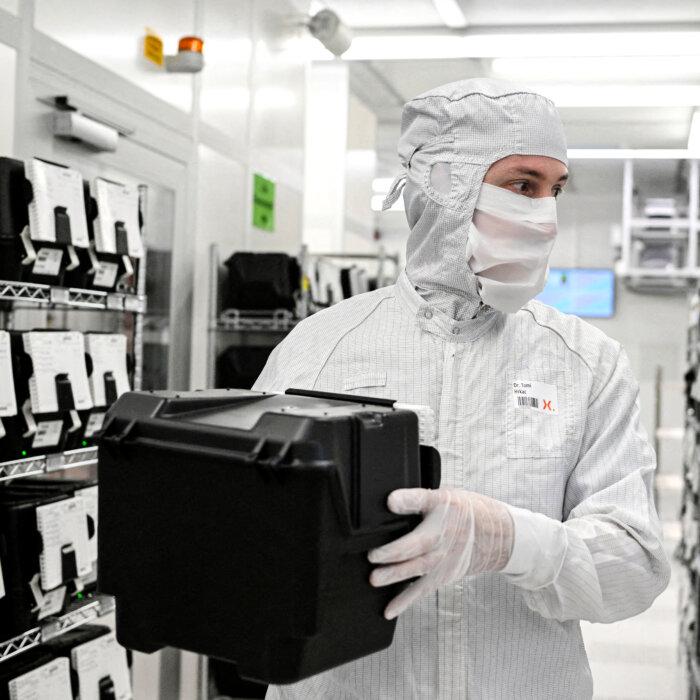
The Netherlands is a key player in the global semiconductor industry because it is home to ASML, the world’s leading supplier of advanced lithography systems used to manufacture computer chips.
For years, the United States has pressed allies to tighten controls, arguing the technology could bolster Chinese military capabilities.
The Dutch government has already introduced export restrictions on some of ASML’s most advanced equipment. But differences remain over the sale and servicing of less advanced systems used by Chinese customers.
The dispute comes as the United States seeks to build a broader coalition of countries willing to coordinate technology policies toward China.
During the same trip, Sjoerdsma signed a declaration confirming Dutch participation in Pax Silica, a U.S.-led initiative intended to strengthen cooperation among allies on artificial intelligence supply chains and critical technologies.
Japan and South Korea are among the participants, while Taiwan has publicly supported the initiative without joining as a signatory.
The latest discussions continue years of negotiations between Washington and The Hague over semiconductor exports.
Since 2023, the Netherlands has faced growing U.S. pressure to align restrictions on chipmaking equipment, while seeking to retain national control over decisions and protect economic interests.
ASML has often been at the center of those debates. Its machines are vital for producing the world’s most advanced chips, and Chinese customers remain commercially significant.
The MATCH Act has become the latest flashpoint. Supporters say it would close gaps in existing export controls, while European critics have questioned whether it would grant the U.S. excessive influence over sovereign decisions.
The legislation remains under consideration in Congress.
Reuters contributed to this report.