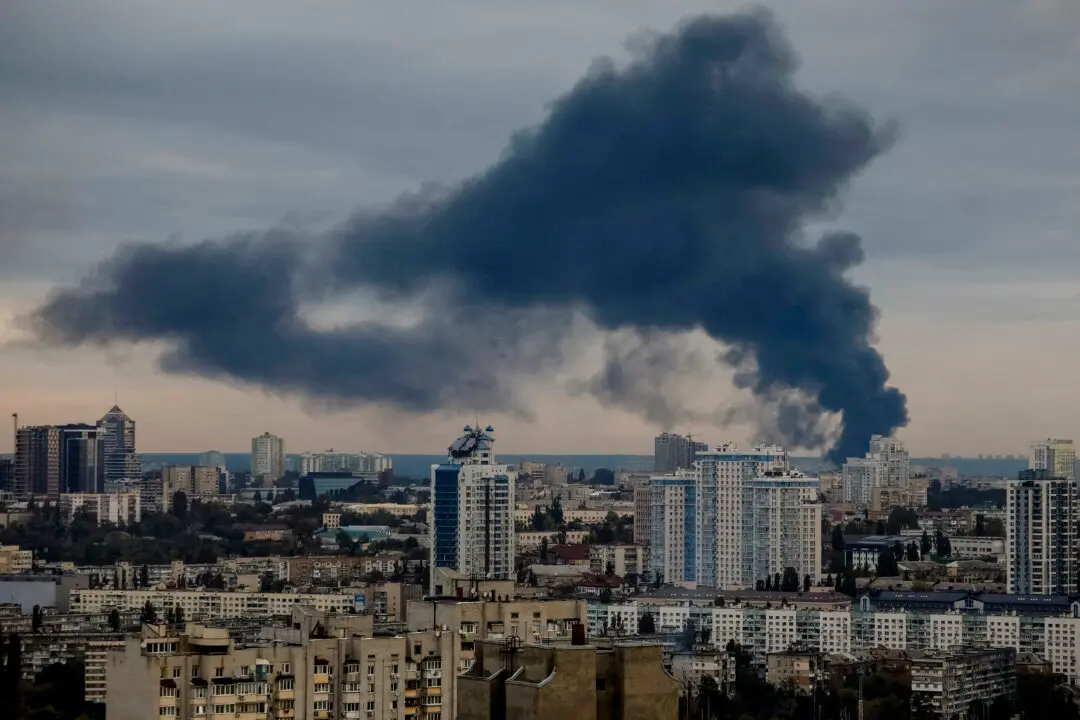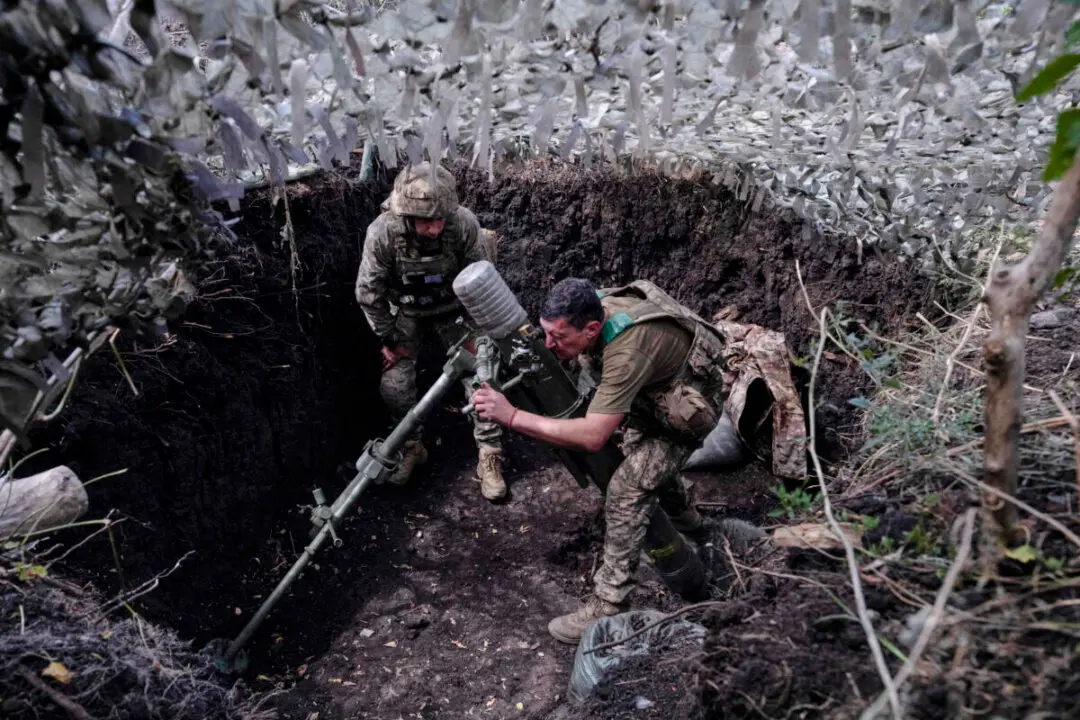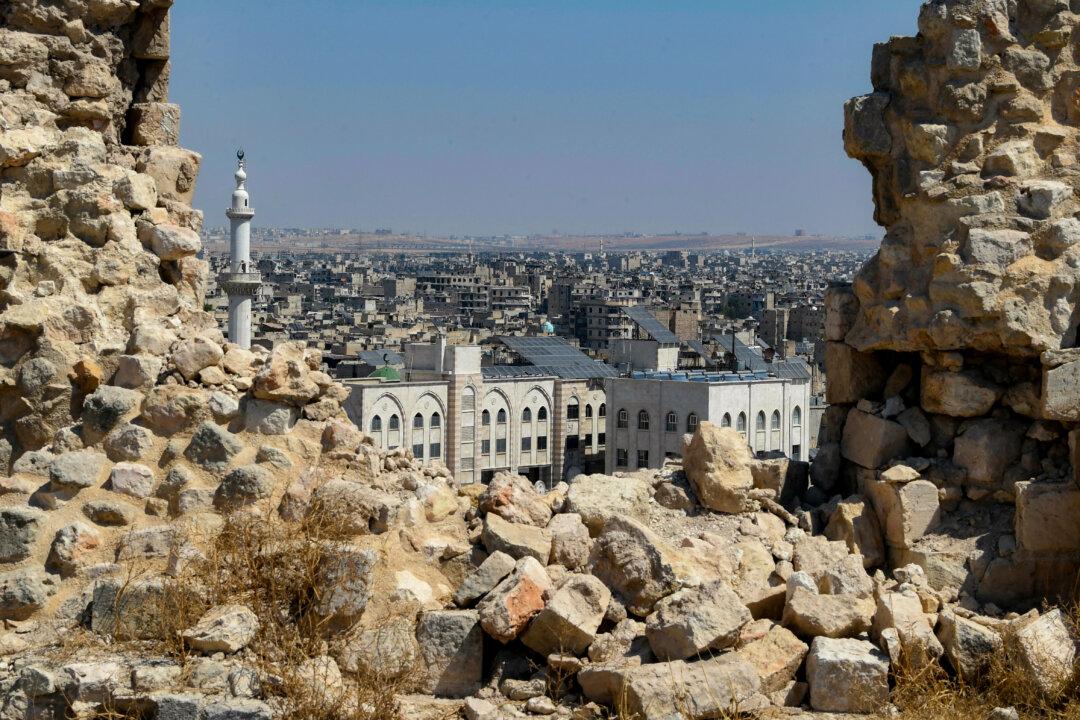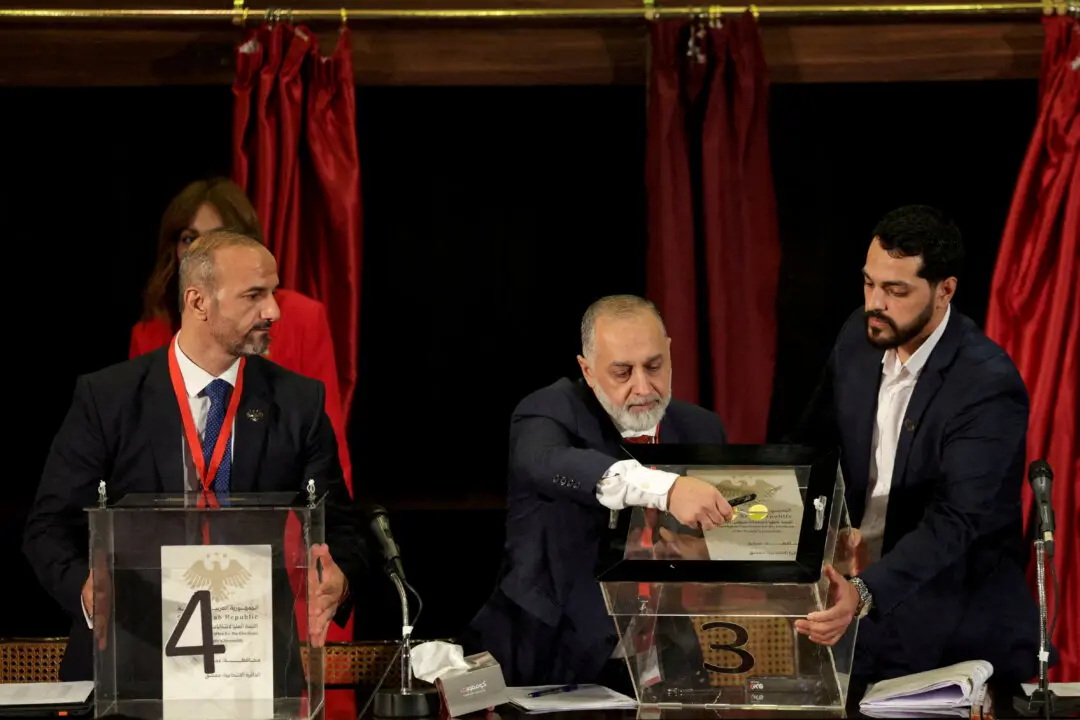
At least 30 people have been killed—and scores injured—in a fresh outbreak of sectarian violence in Sweida, a predominantly Druze region of southern Syria, the country’s interior ministry said.
“This has increased the number of casualties and poses a direct threat to civil peace in the region,” the statement said, according to Syria’s state-run SANA news agency.
According to SANA, the interior ministry, in coordination with the defense ministry, “will begin direct intervention in the area to end the conflict and impose security.”
“We urge all local parties to cooperate with internal security forces, exercise restraint, and support efforts for de-escalation,” the interior ministry stated.

Days earlier, a local man was accosted and beaten at a makeshift checkpoint manned by tribesmen, eliciting an angry response from Sweida residents, the UK-based rights watchdog reported.
The situation escalated on July 13 when tribesmen set up another checkpoint in Al-Muqawas and detained several locals, according to the SOHR, citing local sources.
“Negotiations by local dignitaries are underway to defuse the tension and set the detainees free,” it stated.
Some of these forces are “already involved in the fighting against Druze gunmen,” it said, putting the total death toll at 37, including two children.
The Epoch Times could not independently verify the reports.

Post-Assad Violence
It was not the first such case of sectarian violence in Syria since the long-ruling regime of President Bashar al-Assad was ousted from power in late 2024.April saw fierce clashes between Sunni gunmen and armed Druze residents of Jaramana, a mixed Druze and Christian town located southeast of Damascus.
The violence was triggered by the murder of a defense ministry official by unidentified gunmen at a checkpoint near the town and a separate attack on a local police station, according to reports.
The crisis was eventually diffused after Damascus sent military reinforcements to the area, and consultations were held between security officials and local community leaders.
In December 2024, Syria’s Assad regime was overthrown by a Turkey-backed rebel offensive led by Hayat Tahrir al-Sham (HTS), a militant group with previous ties to ISIS and Al Qaeda.
HTS leader Ahmad al-Sharaa now serves as the country’s interim president.
As HTS seeks to cement its grip on power, fears of religious persecution have mounted among Syrian minority groups, including the Druze, Christians, and Alawites.
In June, more than 20 Christian worshippers were killed when a suicide bomber blew himself up in a church in Damascus—an attack that the new Syrian leadership blamed on the ISIS terrorist group.
On July 14, The Times of Israel reported that Israel’s military had conducted strikes on “several tanks” deployed near the village of Sami in Sweida.
As of publication time, it remained unclear whether the reported Israeli strikes were related to the recent flare-up of sectarian unrest in the area.