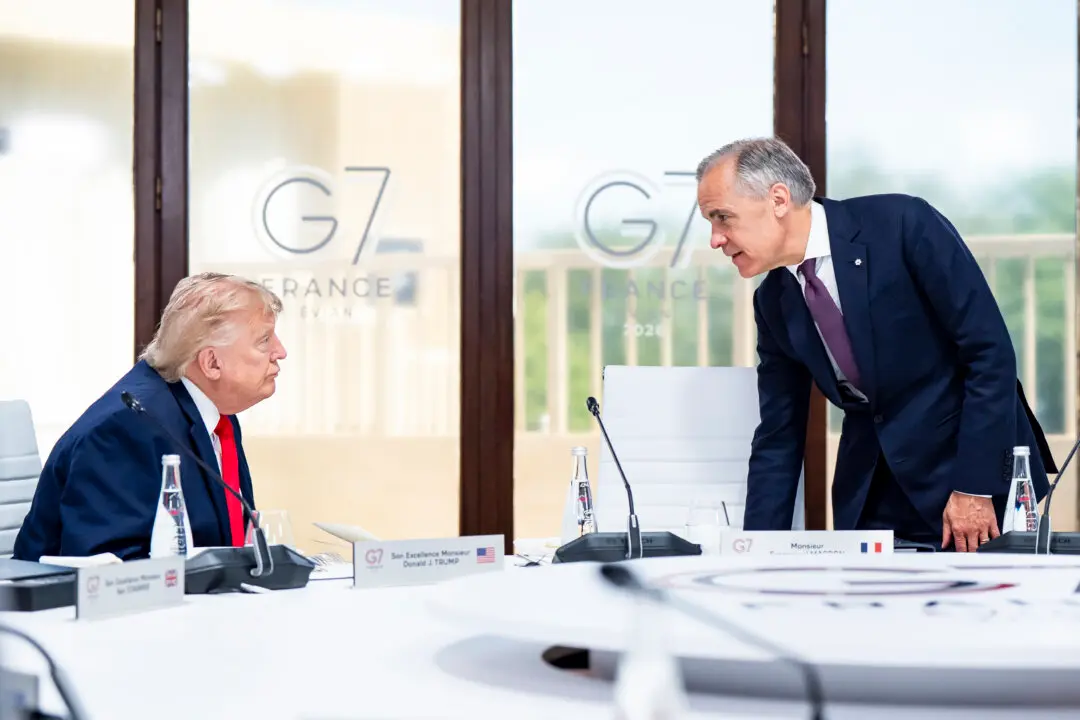
A coalition of nine human rights organizations is urging Prime Minister Mark Carney to take “strong and effective action” to address the Chinese regime’s widespread human rights violations, including through its engagement in transnational repression in Canada.
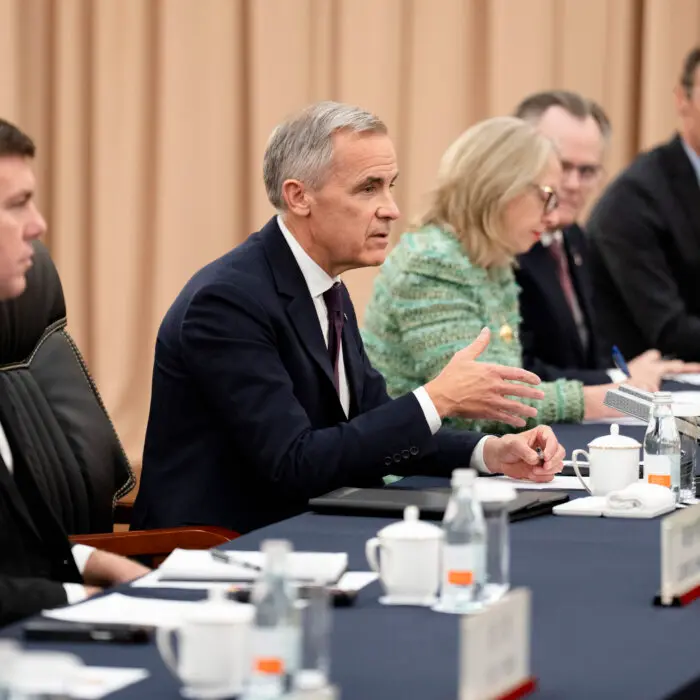
“Canada’s relationship with China is certainly one of the most crucial foreign policy priorities you face as Prime Minister,” the coalition wrote to Carney, noting that the relationship is important for economic, security, and geopolitical considerations.
Concerns about Beijing’s human rights record require “very serious and deliberate attention,” including a comprehensive strategy to ensure human rights protection will be central to Canada and China’s relationship and dealings, the coalition added.
Cheuk Kwan, co-chair of the Toronto Association for Democracy in China, says Canada is missing such a strategy to ensure human rights “feature prominently across the full expanse” of Ottawa’s relationship with Beijing.
“It’s time to put human rights at the forefront of that relationship. It is in fact the only principled, but also pragmatic, path forward,” Kwan said in a Jan. 12 statement.
Meanwhile, Sherap Therchin, executive director of the Canada Tibet Committee, says that according to the assessment of many experts, the human rights situation in China has “markedly worsened” in recent years.
“At the same time, we have witnessed strategies on the part of Canada and the international community which have prioritized commercial interests and have too often appeased rather than challenged the Chinese government,” Therchin said in a Jan. 12 statement.
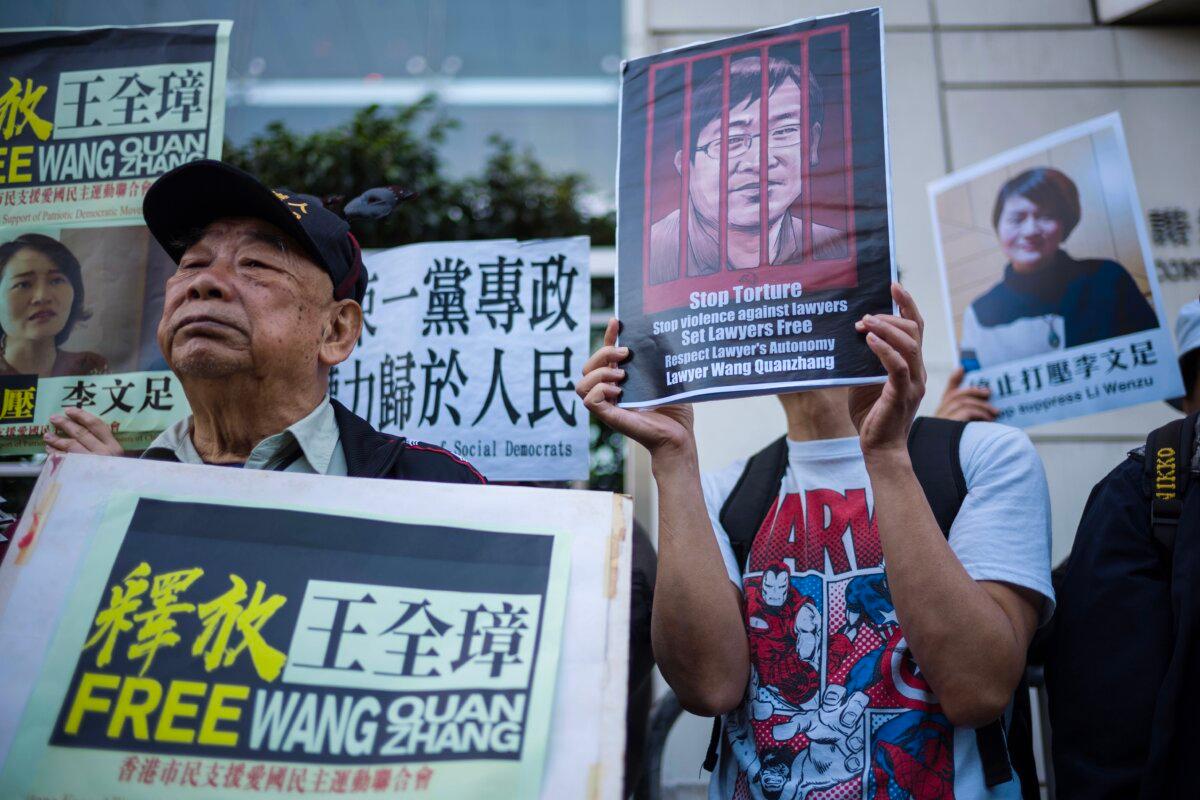
The coalition said its organizations have documented increased human rights violations by the Chinese regime, including an intensified campaign to repress democracy and human rights activists in recent years, both inside and outside of China.
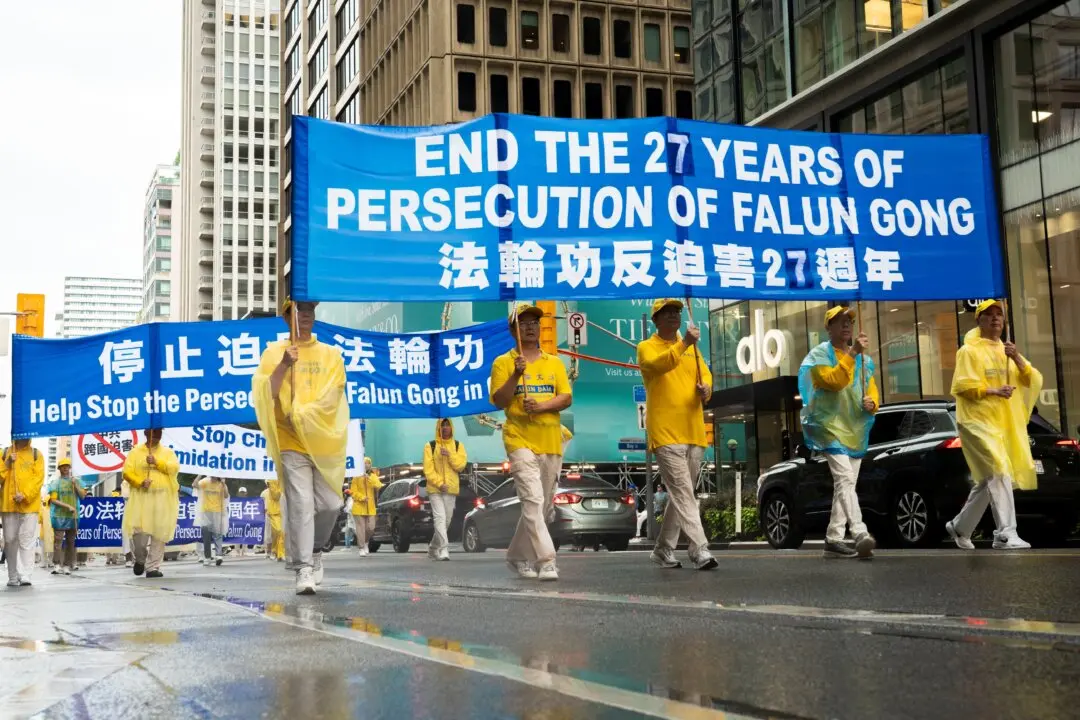
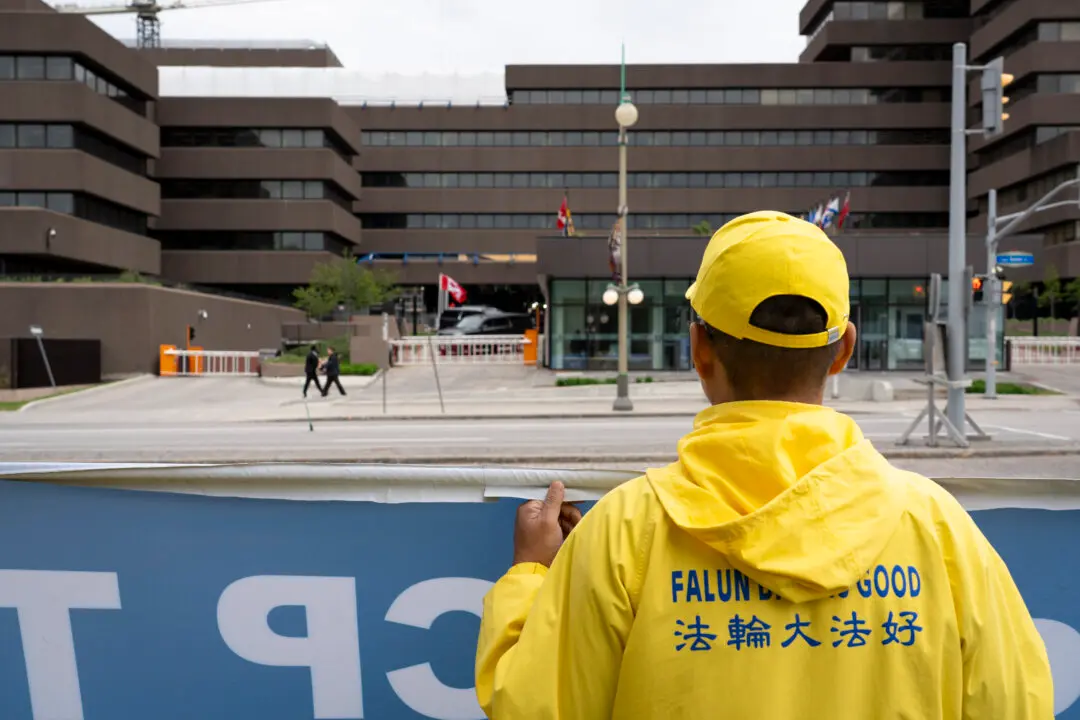
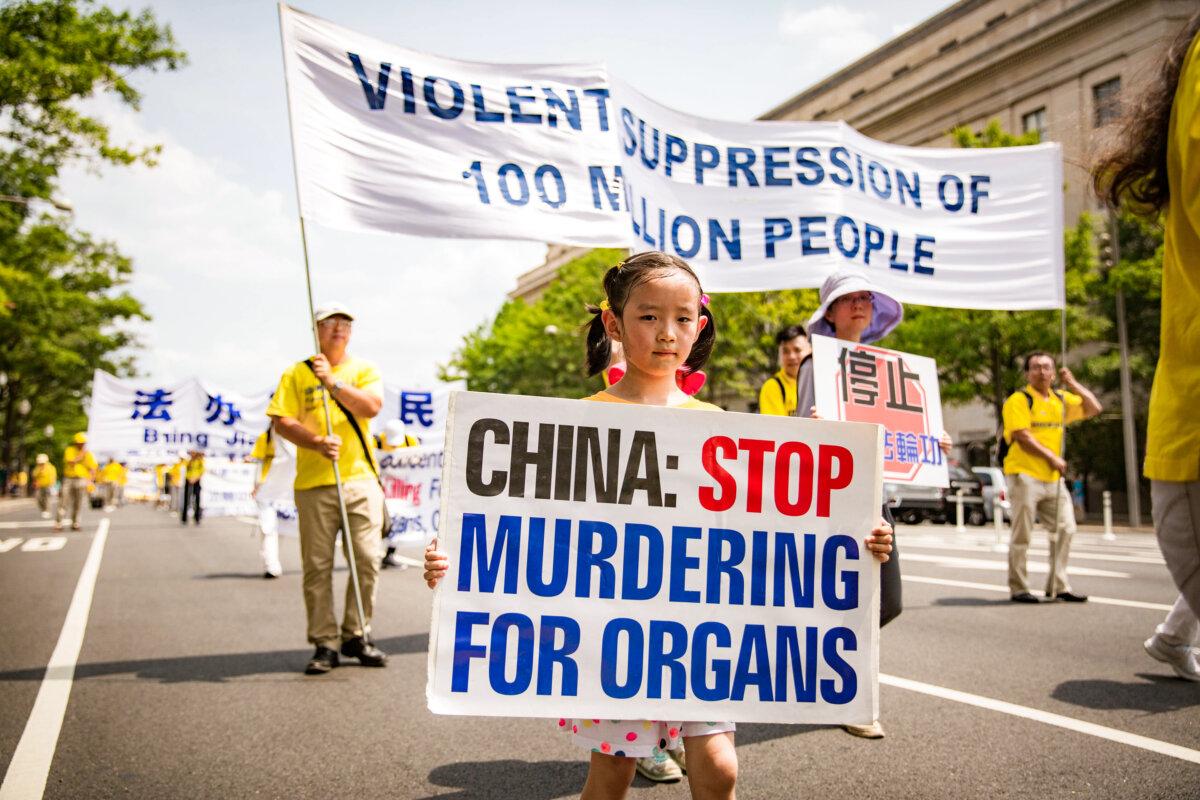
The coalition highlighted a range of cases of human rights violations, including of Hong Kong publisher Jimmy Lai, whose family is in Canada; Hong Kong democracy activist Chow Hang-tung; Canadian Joe Tay; Uyghur-Canadian Huseyin Celil; pro-democracy activist Wang Bingzhang; Falun Gong practitioners who have been captured by the regime in China and have families in Canada; Tibetan Buddhist leader Panchen Lama; and a large number of Christian pastors across China.
Simone Hanchet, director of communications at the Raoul Wallenberg Centre for Human Rights, says it’s crucial that Carney put human rights at the centre of Canada’s relationship with China as he looks to reset relations between the two countries.
“Failure to do so in the past has not only failed to address human rights concerns in China, it has also had disastrous consequences for individual Canadians,” Hanchet said.
The coalition said that China continues to devote “considerable resources” to influence and harassment operations in Canada, including against many of the groups that make up the coalition.
While Ottawa has “pursued a variety of approaches” to raising human rights with Beijing in the past, its approaches have appeared “ad hoc and uncoordinated,” the coalition noted.
“There is much to be learned from how inattentive to human rights concerns Canada has been in its relationship with China over the past decades,” the coalition said. “It is vital that those mistakes not be repeated.”
‘Deepening Repression’
Human Rights Watch, an international non-profit organization that raises awareness of human rights abuses globally, also said in a Jan. 9 news release Carney should make human rights a “key focus” of his visit to China.Maya Wang, deputy Asia director at Human Rights Watch, says Carney should recognize the Chinese regime’s “deepening repression” threatens not only the rights of people in China, but also Canada’s core interests and values.
“Carney should ensure that engagements with the Chinese government on trade and security are consistent with Canada’s values, which includes the promotion of human rights,” Wang said in a Jan. 9 statement.
The organization said the prime minister should raise issues such as the links between the Chinese regime’s forced labour and imports to Canada, the persecution and imprisonment of human rights defenders, and Beijing’s targeting of critics abroad, including in Canada.