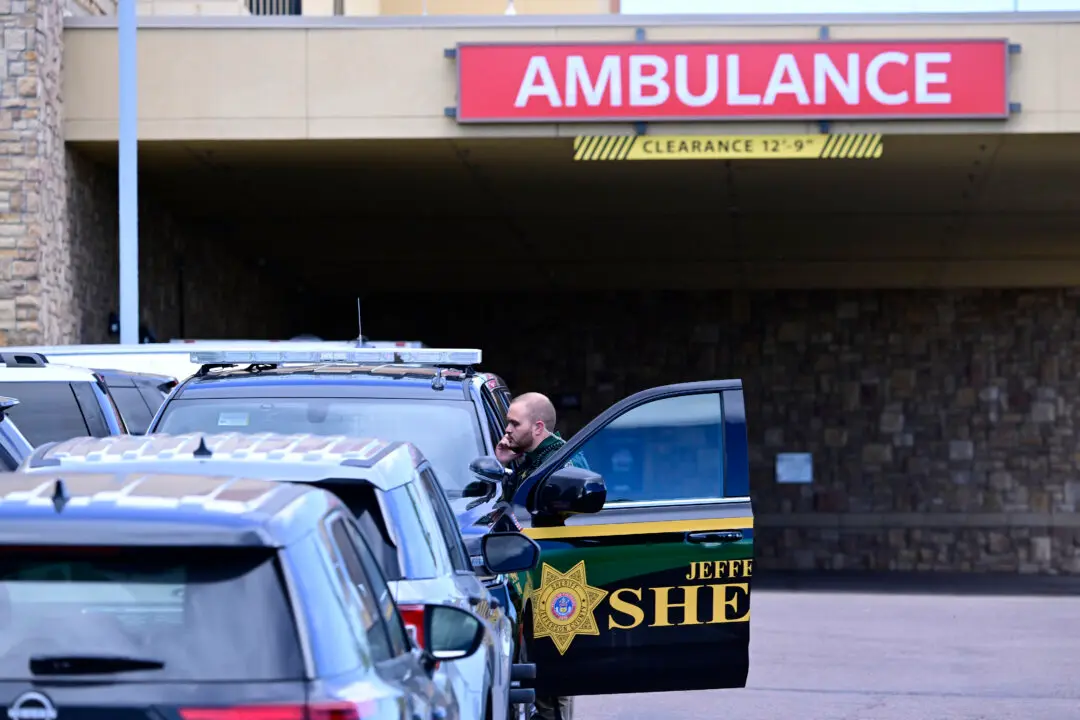
Dominican Republic President Luis Abinader on Wednesday announced a limited agreement permitting the United States temporary access to restricted areas for refueling aircraft and moving equipment as Washington continues to expand its fight against drug trafficking in the Caribbean.
While flanked by U.S. War Secretary Pete Hegseth, Abinader outlined the agreement at San Isidro Air Base and Las Américas International Airport, underscoring its strategic and short-term nature.
The deal represents the first notable public pact with a Caribbean nation as the United States enhances operations against drug-smuggling boats coming from Venezuela.
Hegseth met with Abinader and Defense Minister Lt. Gen. Carlos Antonio Fernández Onofre, and painted the Dominican Republic as a regional leader.
“That’s why I’m here today,” Hegseth said. “That’s why we decided to come here first. The Dominican Republic has stepped up.”
Hegseth vowed to respect Dominican sovereignty and laws. Abinader described the accord as “technical, limited, and temporary.”
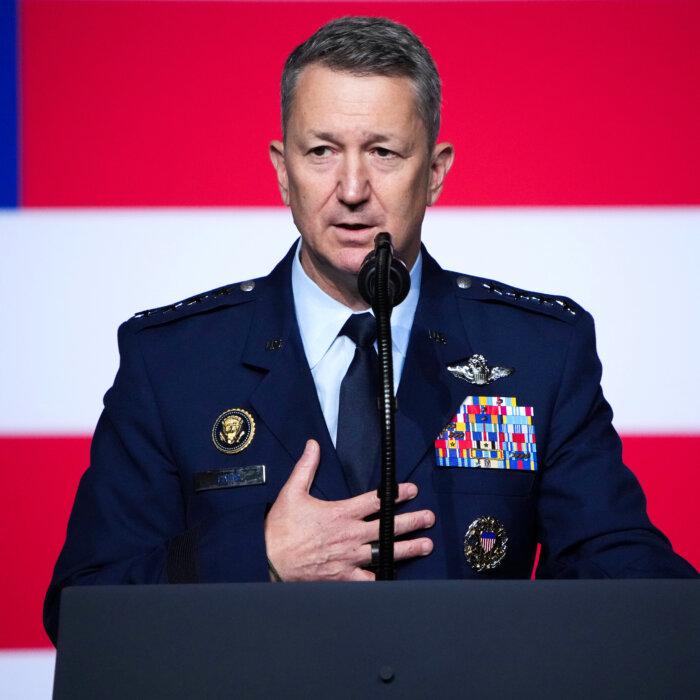
“The purpose is clear: to strengthen the air and maritime protection ring maintained by our Armed Forces, a decisive reinforcement to prevent the entry of narcotics and to strike a more decisive blow against transnational organized crime,” he said.
Hegseth also said that the United States will deploy additional troops and aircraft to combat drug trafficking, and said he hopes to expand on the Dominican model with other countries.
“A model that we hope to expand with other countries that want to associate with us to ensure that the drug terrorists ... receive this message that we are associating with more countries, with more elements to stop them,” Hegseth said.
A post-conference statement from Abinader’s office stated that KC-135 tanker aircraft would support at-sea patrols, enhancing monitoring and interdiction. The agreement also encompasses refueling operations with partner nations’ planes. C-130 Hercules aircraft would aid in aeromedical evacuations, firefighting, weather reconnaissance, and disaster relief.
Abinader noted an almost tenfold rise in annual drug seizures in the past five years, attributing this to U.S. collaboration.
“Our country faces a real threat, a threat that knows no borders, no flags, that destroys families, and that has been trying to use our territory for decades,” he said. “That threat is drug trafficking, and no country can or should confront it without allies.”
Hegseth praised Abinader’s position against narco-terrorists and narco-traffickers.
“We’re deadly serious about this mission,” Hegseth said. “We know ... where they’re leaving from, where they’re going, what they’re bringing, what their intentions are, who they represent.”
Trump has not ruled out sending troops to Venezuela.
Persad-Bissessar did not say there were requests to base any attacks on Venezuela from Trinidad, located just miles from Venezuela, and that Venezuela wasn’t discussed.
The United States requested a radar installation in Grenada, which Prime Minister Dickon Mitchell said would need to comply with laws. There have not been updates since.