Australia’s top medical and pharmacy bodies have warned of a “largely unregulated explosion” in medicinal cannabis prescribing, urging Health Minister Mark Butler to restore control and protect patients from unsafe practices.
In a joint letter, the Australian Medical Association (AMA) and the Pharmacy Guild of Australia said medicinal cannabis use had strayed far from its original intent and turned into a “parallel market” with weak oversight and minimal accountability.
The groups cited rising cases of excessive and inappropriate prescribing, long-term use under special access schemes, and a surge in online clinics operating outside normal care pathways.
Push for National Oversight
The AMA and Guild want the government to strengthen clinical governance through national safety and quality bodies.It also sought support in cracking down on poor prescribing and dispensing, and tightening the Special Access Scheme so cannabis use is limited to exceptional cases under medical supervision.
They also want product sponsors to register all cannabis medicines on the Australian Register of Therapeutic Goods (ARTG) within two years to ensure evidence-based prescribing and consistent quality standards.
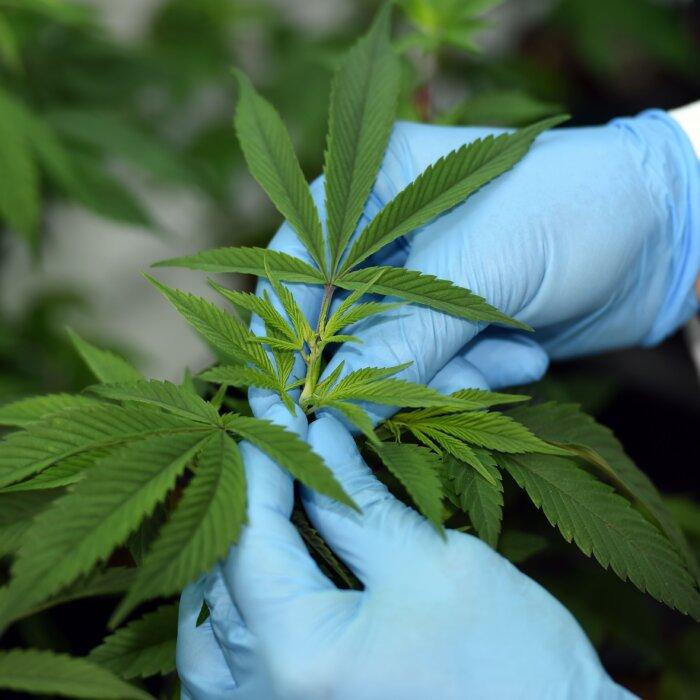

In submissions to the Therapeutic Goods Administration’s (TGA) review of unapproved medicinal cannabis, both organisations said the current system—built on special access approvals—was “unsustainable” and out of step with standards for other prescription drugs.
They urged an immediate suspension of products with THC concentrations above 98 percent until safety data is available.
The letter also calls for prescribing and dispensing limits on high-THC products, specialist-only approval for high-risk categories, and clear thresholds for ARTG registration.
Pharmacy Guild President Professor Trent Twomey said the system was being exploited.
“Prescriptions are being issued without proper oversight, and patients are bypassing their GP or pharmacist,” he said.
“What began as a special access pathway has become the norm, with thousands of products prescribed without safety, quality, or efficacy checks.”
AMA President Dr. Danielle McMullen said doctors were seeing more misuse and harm.
“Cannabis is being prescribed for conditions where it’s contraindicated or should be tightly supervised,” she said. “We’re seeing more serious adverse outcomes,” he said.
Debate Over Legalisation
The warning comes amid renewed political debate on cannabis regulation.In 2024, Greens Senator David Shoebridge introduced the Legalising Cannabis Bill, which was voted down after Labor and Coalition senators joined forces to block it.
Shoebridge vowed to reintroduce the bill, saying Australians should decide whether to keep funding “a failed war on drugs” or build a regulated industry.
Victoria Loosens Rules
In Victoria, the government has relaxed rules for drivers caught with traces of THC while unimpaired and with a legal prescription.Under previous laws, any THC detection led to a six-month licence suspension and fines, even if the person followed their doctor’s advice.
The reform that came into force from March allows magistrates to consider medical evidence and decide whether patients retain their licence.
Legalise Cannabis MP David Ettershank said the change was overdue.
“Roadside tests can detect tiny THC traces a week after use, long after any impairment,” he said. “Under the old rules, patients taking their medicine as directed faced automatic penalties.”