TORONTO—A B.C.-based drug policy researcher warns that exaggerating symptoms, a phenomenon he says has become more common, could lead to the overprescription of medications and cause unnecessary harms and side effects.
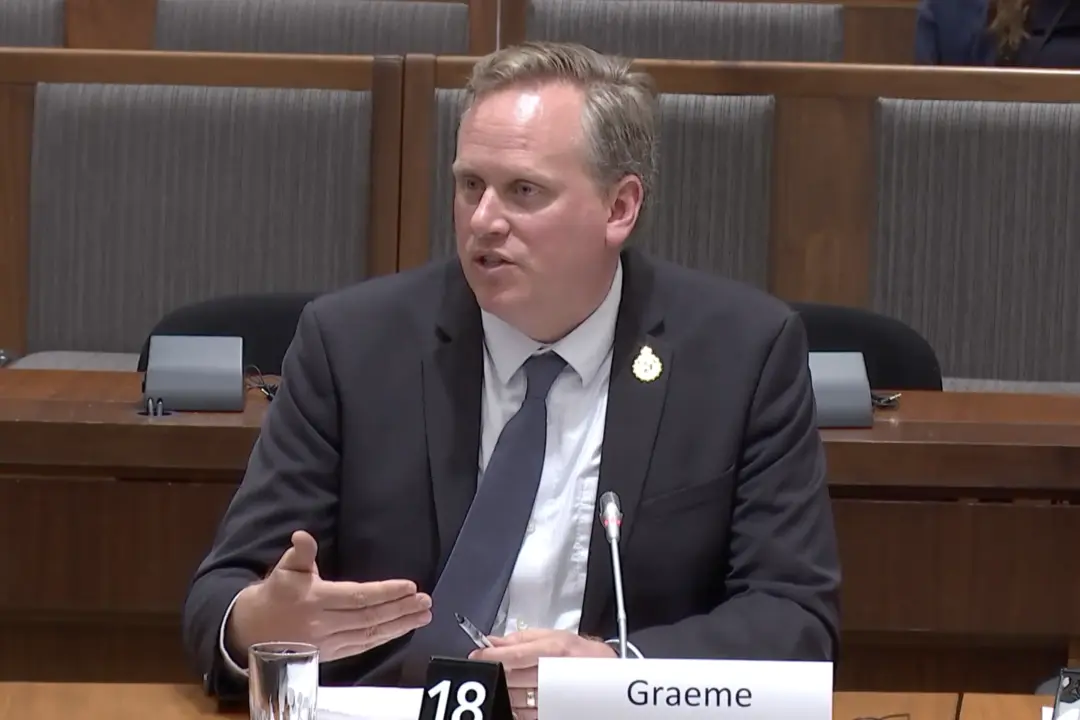
Alan Cassels called this type of exaggeration “disease mongering,” while speaking at an Oct. 3 conference hosted by the International Society for Orthomolecular Medicine (ISOM) in Toronto.
Victoria-based Cassels, who is the author of several books including “Selling Sickness,” said that sometimes symptoms people experience in everyday life, such as restlessness, sadness, and menopause, are viewed as problems that need to be fixed with medication, while there may be better options.
He said sometimes symptoms are also exaggerated through trying to prevent disease by treating “pre-diseases,” which he said often leads otherwise healthy people to unnecessarily take prescription medications.
In cases of people aging and becoming more frail, often the medications that are prescribed are “toxic and not very helpful,” he added.
“We face polypharmacy at every age, but it’s really concentrated in the elderly. ... Every trip, or almost every trip, to a doctor [or] a specialist results in an offer of another drug or another test.”

Cassels said another issue to watch is when unwarranted screening such as unnecessary tests lead to overdiagnosis and overprescribing of medication. He said there are risks to disease screening that often are not communicated to patients, such as the risk of falsely testing positive.
Those who falsely test positive for various diseases as a result of screening may undergo psychological harm, Cassels noted.
Polypharmacy
The conference host, ISOM, was founded in Vancouver in 1994 and aims to increase the use of orthomolecular medicine by health care professionals and the public through advocacy and educational resources. ISOM describes orthomolecular medicine as the use of natural substances, such as vitamins, minerals, amino acids, and other essential nutrients, to prevent and treat disease.This year’s ISOM conference revolved around reducing polypharmacy by de-prescribing medications and looking at ways that nutrients and other naturally-occurring compounds can play a role in managing disease instead.
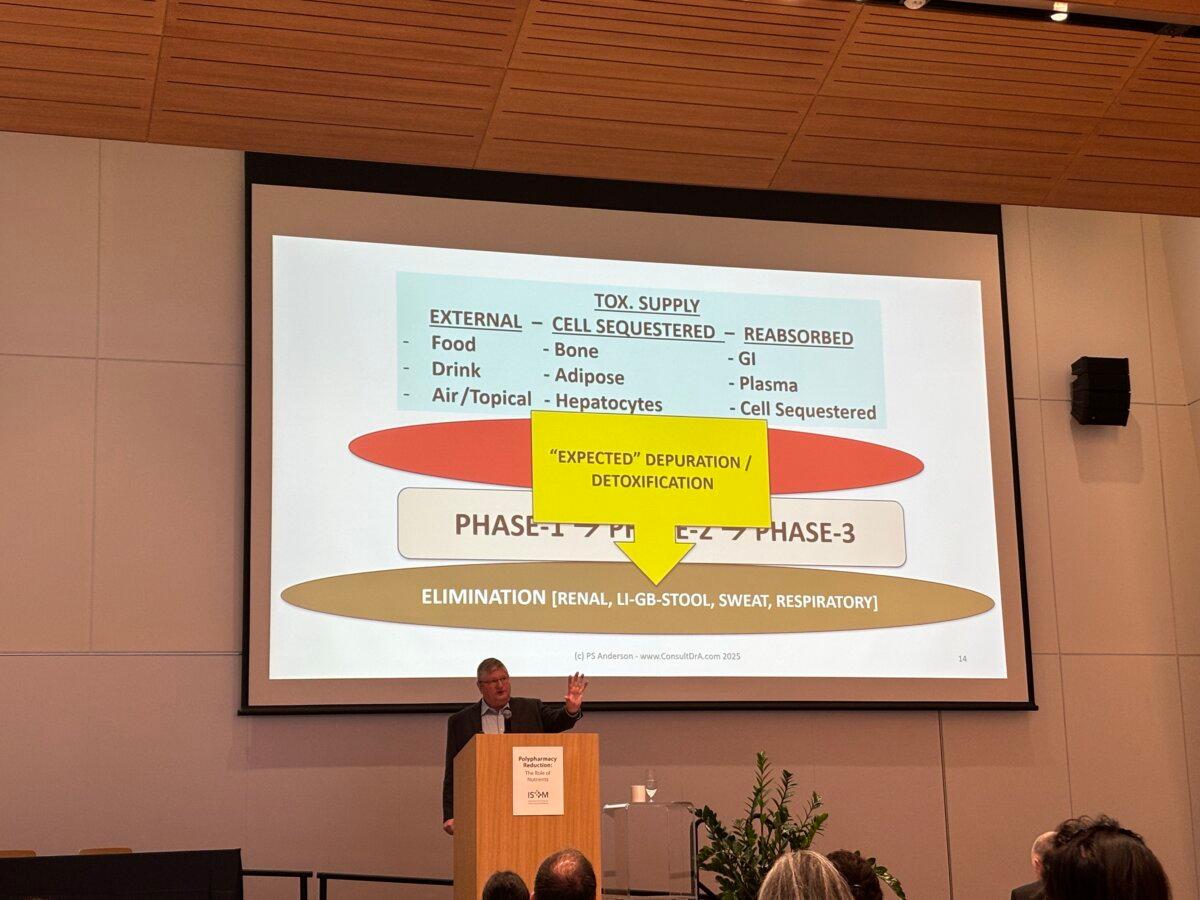
Dr. Paul Anderson, a U.S.-based educator and clinician in integrative and naturopathic medicine, also spoke at the event. He discussed prescribing and how doctors can help people detox from too many prescription drugs.
Anderson specifically noted the harms of overprescribing opioid medication due to the addictive nature of such drugs and the fact that they are especially difficult to detox from. He said that opioids not only numb physical pain, but they also numb psychological pain, which is “a huge component of the addictive process.”
“People have a lot of pain in their lives that they constantly deal with that are not broken bones,” Anderson said. “Opiates create what we normally think of as a psychiatric break from my existential crises, from all my psychiatric problems, etc.”
Anderson discussed alternatives to opioids for pain management, such as acupuncture and botanical medicines.