Desjardins forecasts that the upcoming budget on Nov. 4 could include the largest federal deficit in the last 30 years, driven by increased spending and lower revenues.
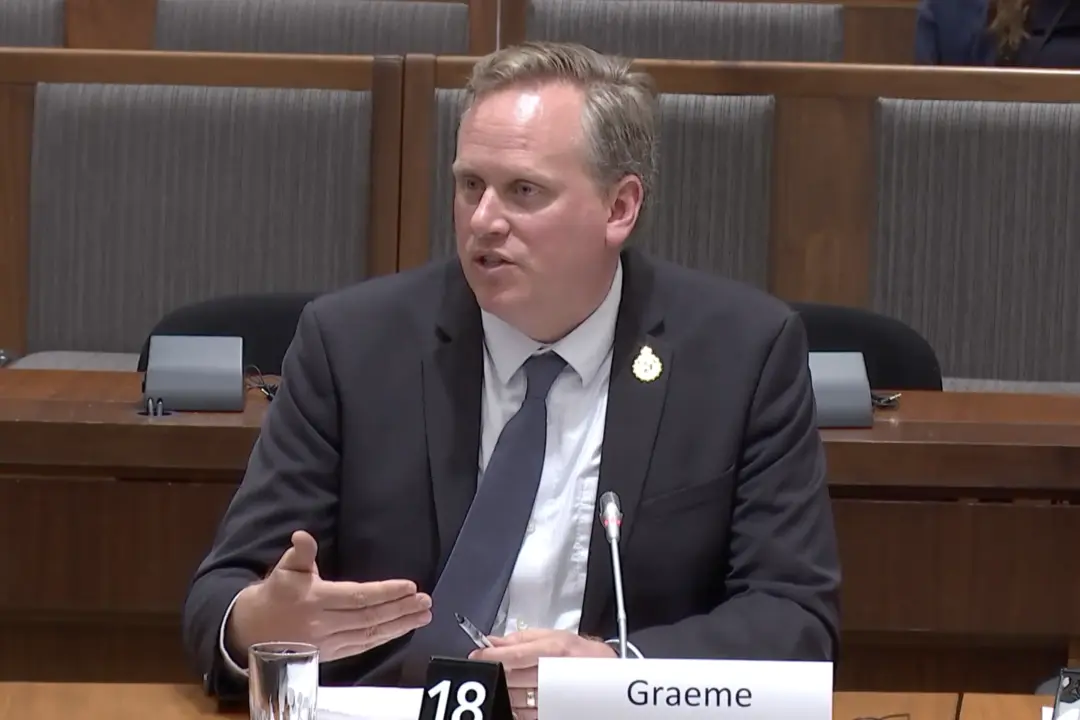
“Deficits could rise to levels not seen in decades outside of a recession or pandemic, and the debt-to-GDP ratio is likely to be headed in the wrong direction,” Bartlett wrote.
The report notes that since Prime Minister Mark Carney took office in the spring, Parliament has featured “a barrage” of new legislation, tax cuts, substantial increases in defence and other spending, and a push to find savings in federal operating expenses.
Bartlett said these actions are expected to equate to bigger deficits and higher debt, putting federal finances on “an unsustainable path.” The upcoming federal budget will be “truly unprecedented,” not only because of its delay, but also because of its planned spending, tax cuts, and savings, he wrote.

Savings
Bartlett also said the deficit would likely be larger if it weren’t for planned savings. Finance Minister François-Philippe Champagne sent a letter to his cabinet colleagues in July asking them to find savings in their departmental budgets over the next three years, starting with a 7.5 percent cut in fiscal year 2026-27, a 10 percent cut in 2027-28, and a 15 percent cut in 2028-29.New Budgetary Framework
The Liberal government will present a new budgetary framework starting this year, which includes moving the federal budget release date to the fall, ahead of the new fiscal year, and moving the government’s fiscal update to the spring. It will also separate day-to-day operational spending from capital investment in all federal budgets moving forward.Champagne said separating operational and capital spending will guide decisions and prioritize investments like major projects, housing, clean energy, and infrastructure, and will provide a “clearer picture” of Canada’s investments.
Bartlett said the government should provide assessments of the expected return on capital investments and compare these with the cost of borrowing for a “better” assessment of whether investments will deliver value for their cost. He noted capital budgeting “poses communication and market risks.”
“Infrastructure projects typically involve significant upfront spending, with returns that aren’t guaranteed or that only materialize over longer time horizons,” Bartlett wrote in the report. “As such, debt-to-GDP metrics may worsen in the near term, even if long-run benefits are positive.”