Over 350 companies are calling for more ambitious net-zero targets after an analysis from Deloitte Access Economics found the Australian economy could be $370 billion (US$240 billion) larger by 2035 if the nation adopts a 75 percent emissions reduction target.
According to the Deloitte modelling, setting a 75 percent reduction target would support an extra 69,000 jobs every year between 2025 and 2035 compared with continuing under current policy settings.
It would also bring forward an additional $20 billion in investment annually and generate $190 billion in extra export revenue by 2050.
By contrast, a 65 percent cut would deliver smaller economic benefits. Deloitte’s lead partner Pradeep Philip warned that a weaker target could undermine Australia’s ability to attract global investment in emerging clean industries.
Emissions Slide, Still Off Mark: Latest Data
The modelling comes as the government released its latest emissions data on Aug. 25.National emissions fell by 1.4 percent, or 6.5 million tonnes of carbon dioxide equivalent, in the year to March 2025. Total emissions stood at 440.2 million tonnes, about 28 percent below 2005 levels.
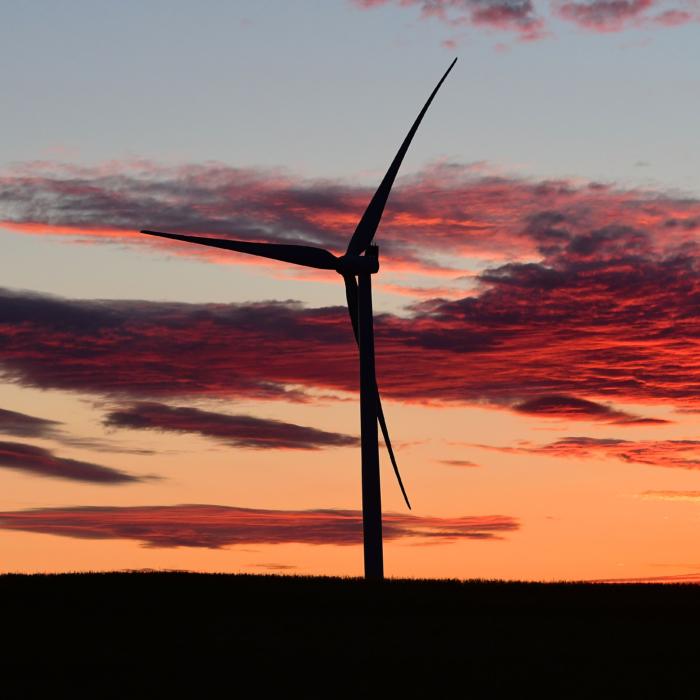
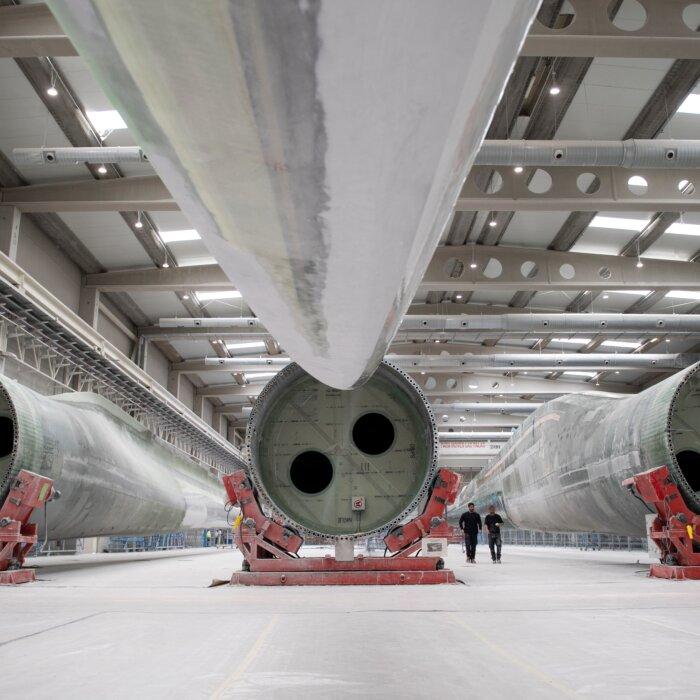
The current trajectory predicts Australia to reach a 42.7 percent cut by 2030, just short of its legislated target of a 43 percent reduction on 2005 levels.
Business Leaders Back Ambition
The Deloitte analysis has been embraced by sections of the business community, with more than 350 companies signing an open letter urging the government to commit to at least a 75 percent target.The coalition includes Future Group, Fortescue, Atlassian, Canva, IKEA, Unilever, Volvo Group Australia, Culture Amp, Bank Australia, Intrepid Travel and Ben & Jerry’s.
Future Group Chief Executive Simon Sheikh said Australia’s natural advantages—abundant land, critical mineral supply, and a skilled workforce—position it to be a global clean energy leader.
Government Awaits Climate Authority Advice
The call comes ahead of the government’s September announcement on emissions targets.Climate Change and Energy Minister Chris Bowen said he is waiting for formal recommendations from the Climate Change Authority before releasing the figures.
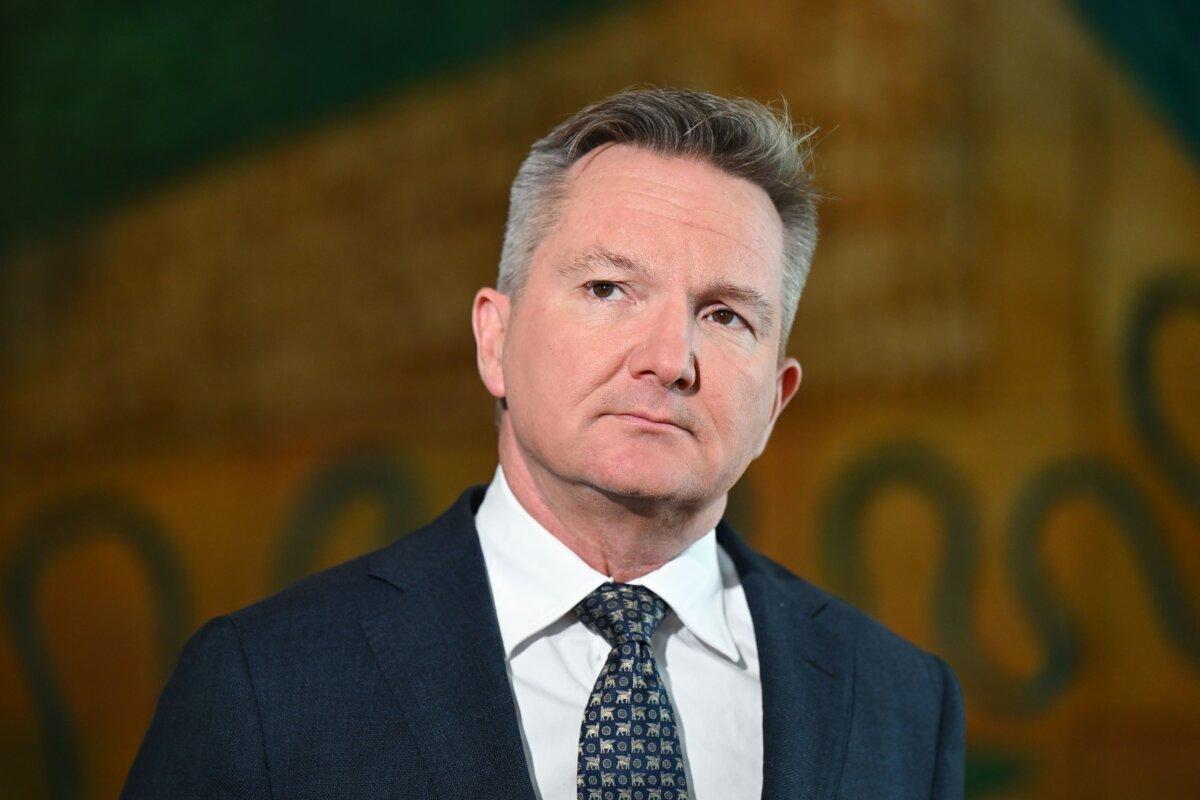
“I must receive the Climate Change Authority advice. It will be released to the public transparently. All that will be crystal clear. And all that will occur during September,” Bowen told ABC News on Aug. 25.
In May, Climate Change Authority Chief Executive Brad Archer underlined Australia’s role in cutting emissions beyond its borders.
Nationals Push to Scrap Net Zero
While business leaders and economists are urging greater ambition, the Nationals are moving in the opposite direction.“Net zero is going to have absolutely no effect on the climate whatsoever,” he told Parliament, adding that major emitters across Asia, Africa, the Middle East and the United States were not acting in “a real form.”
He pointed to China’s construction of 94 gigawatts of coal-fired power in a single year, India’s distant emissions targets, Russia’s rising output during the Ukraine war, and Washington’s moves to step back from commitments in order to prioritise its economy.