Ottawa’s top three economic priorities will include investments in defence, diversifying trade in Europe and Asia, and building major projects, Industry Minister Mélanie Joly says.
The industry minister also said Canada is working to create new jobs through procurement and to create a defence industrial strategy, adding that Canada is the only country in the G7 that doesn’t have such a strategy.
Developing a closer trade relationship with Europe and “certain countries in Asia” is also an economic priority for Ottawa, Joly said, adding that Canada has been “too dependent” on the United States when it comes to trade.
“We need to create new partnerships in the world,” Joly said. “The world is being redistributed in economic blocs right now.”
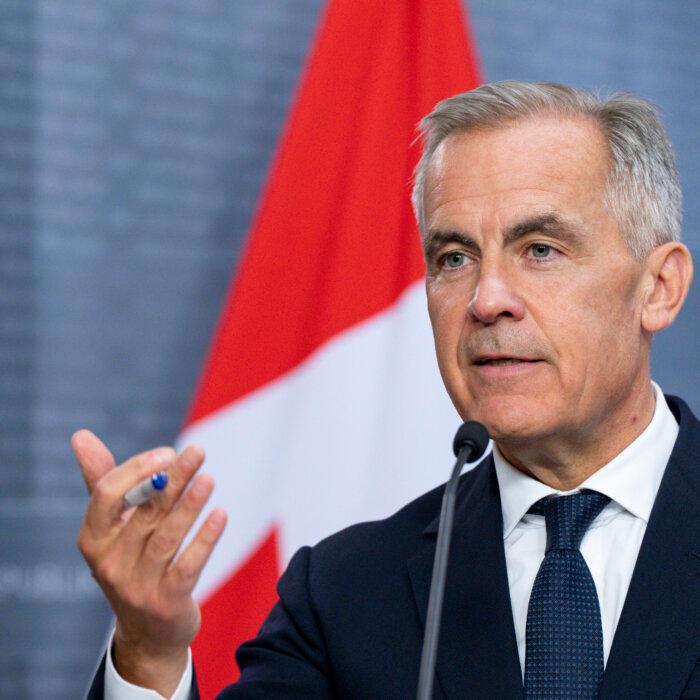
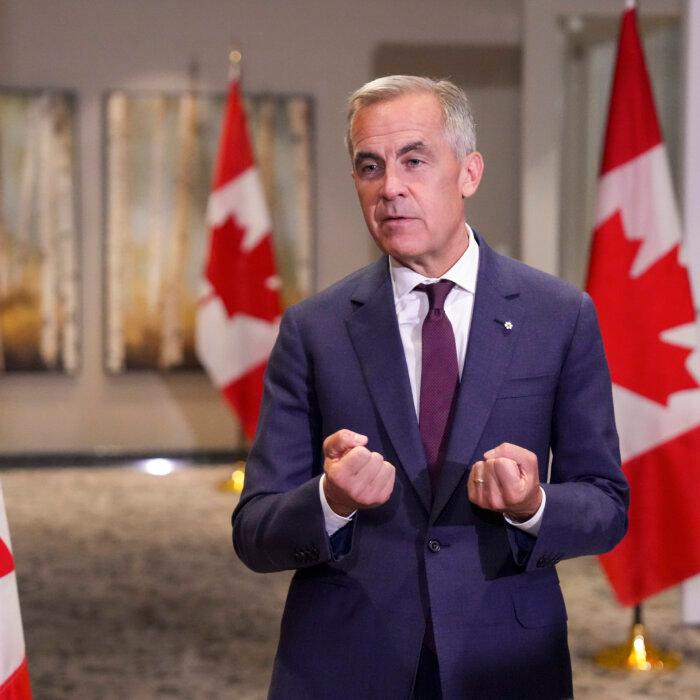
Ottawa intends to work with countries that “believe in free trade” to ensure Canada continues to export its various products and “benefit from all the advantages” of trade, the minister said.
Following Carney’s election in April, the Liberal government has maintained a heavy focus on fast-tracking major projects deemed to be of national interest under its One Canadian Economy Act, known as Bill C-5, which was passed by Parliament before the summer break.
‘Economic Issues’
Also speaking to reporters on Sept. 4, Canada-U.S. Trade Minister Dominic LeBlanc said cabinet heard from economists and business leaders during its first day of meetings on Sept. 3 to learn about the economic issues that are of the “highest concern” for Canadians.”He said his meeting with U.S. Commerce Secretary Howard Lutnick in Washington last week was focused on the sectoral tariffs that are affecting Canada’s steel, aluminum, automobiles, and softwood lumber industries, which he says are causing “enormous economic hardship.”
Clerk of the Privy Council Michael Sabia met with senior U.S. government officials on Sept. 3 to discuss “technical details of these sectors,” LeBlanc noted. He said Ottawa hopes to come to a deal with the United States to “bring some relief” on the sectoral tariffs and that the technical discussions are aimed at achieving an agreement that’s “in the economic interest of both countries.”
“Those discussions start by having base understandings, common understandings of a series of potential options that may ultimately form what the prime minister said would be a series of small deals that cumulatively would put us in a better position than right now,” LeBlanc said.
While trade talks continue between Canada and the United States, Joly says the federal government will continue its support for those working in sectors impacted by U.S. tariffs, such as through buying Canadian goods and using Canadian-made materials when building homes and in the development of major projects, such as railways, ports, and shipbuilding, as well as defence projects.
She said there’s a need for Canada’s steel industry to “pivot” and “retool” as its exports have mainly involved U.S. automakers for decades.
Ahead of Parliament’s return on Sept. 15, the Liberal caucus is set to have a retreat in Edmonton next week.