Australia risks being caught unprepared amid rising Indo-Pacific tensions, with a new report warning that the Albanese government’s defence posture leans too heavily on long-term promises while ignoring immediate threats.
The Australian Strategic Policy Institute’s (ASPI) Cost of Defence 2025–26 report, released on May 29, delivers a blunt assessment of Labor’s approach.
Despite talk of “generational investments,” the report warns the country is heading toward a “paper ADF (Australian Defence Force)”—a hollowed-out force unprepared to respond to conflict in the next five years.
While regional and global threats escalate, key defence acquisitions such as nuclear-powered submarines and Hunter-class frigates are not expected to be operational until the 2030s.
“Until then, the ADF lacks the scale, readiness, and equipment to handle escalating regional risks,” the report states.
The March federal budget, which allocated 2.3 percent of GDP to defence, is labelled a missed opportunity.
The report also criticises the government for ignoring warnings about a potential military conflict with China before the decade ends.
ADF Hollowed Out by Skill Gaps, Missile Shortages
Authored by former Home Affairs Deputy Secretary Mark Ablong, the report outlines serious shortfalls in readiness.Among the ADF’s major vulnerabilities are personnel shortages, shrinking missile reserves, and ageing infrastructure.
“The ADF has struggled with recruitment and retention, especially for personnel with science and technology skills vital for managing modern military systems and complex acquisition projects,” the report states.
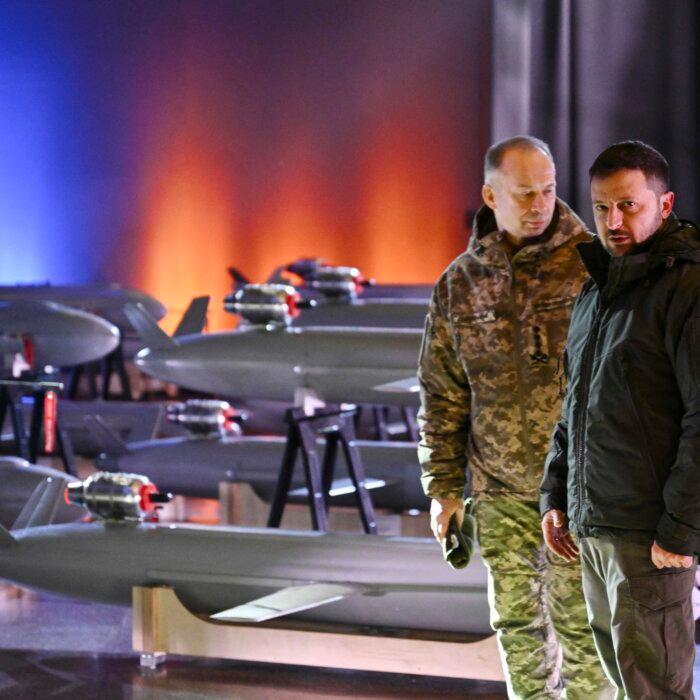
The report says urgent investment is needed in air and missile defences, long-range precision strike weapons, autonomous systems, and low-cost drone countermeasures.
Labor Defends Record, Ramps Up Procurement
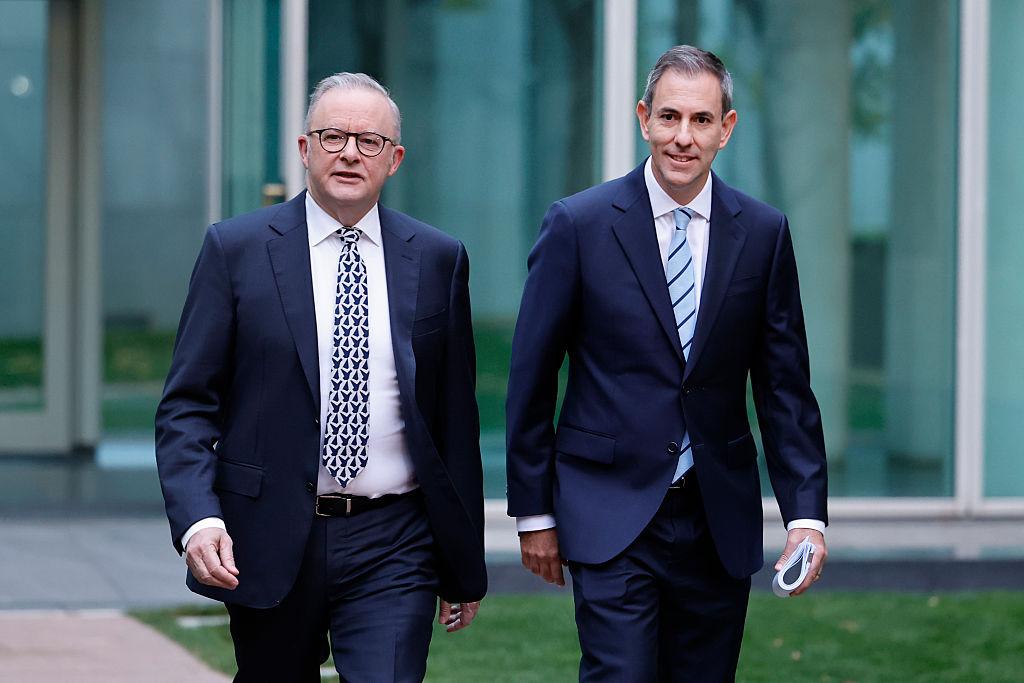
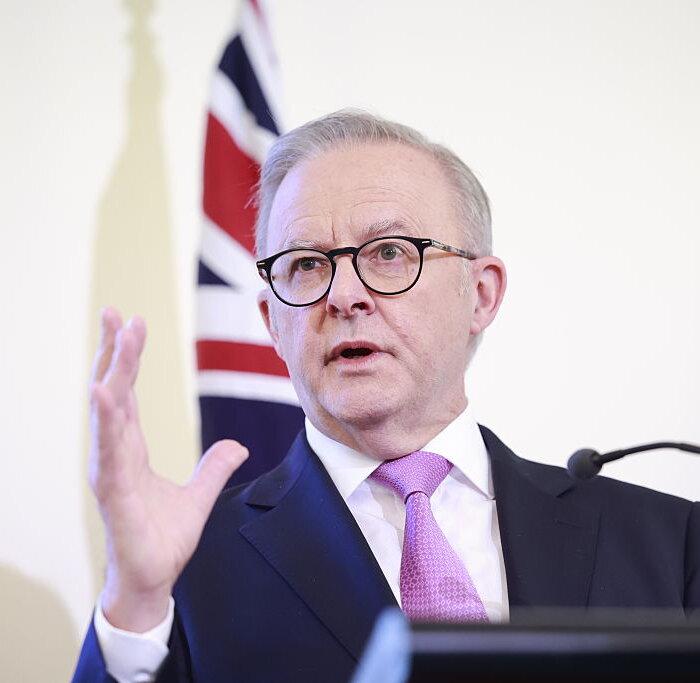
Prime Minister Anthony Albanese has defended his government’s defence spending, noting that a Defence Strategic Review had been conducted and that expenditure would rise to about 2.3 percent of GDP within the decade.Albanese said the think tank regularly produced these sorts of reports, claiming it is “run by people who’ve been in a position to make a difference in the past as part of former governments.”
While the government has committed to bringing forward $1 billion in funding, the ASPI report notes that no “significant uplift” is expected before 2028–29.
In the March budget, Treasurer Jim Chalmers pledged that defence spending will increase to over 2.3 percent of GDP by the early 2030s, with $57.6 billion to be added to the ADF’s budget over the next ten years.
Citing recent announcements, the Albanese government argues it is making meaningful procurement moves.
These include a $200 million deal with the United States for MK-48 heavyweight torpedoes and the development of loitering munitions under the Mission Talon Strike initiative.
Fifty-eight local businesses have received support under the Defence Industry Development Grants program, aimed at building sovereign capability and supporting job creation.
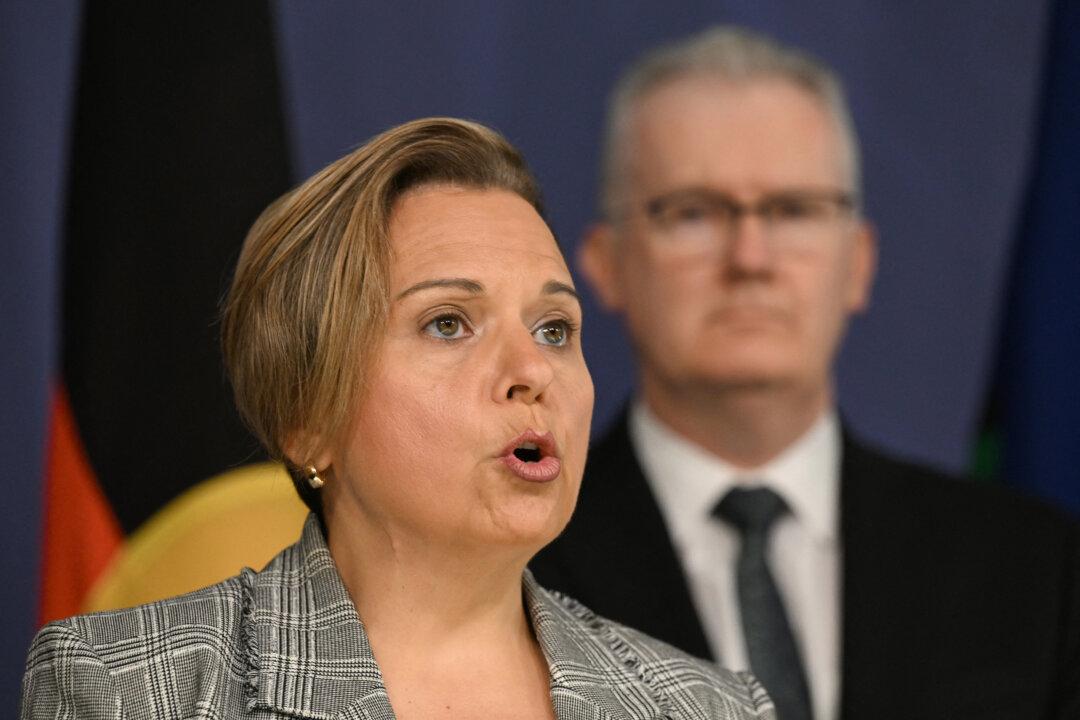
Deputy Prime Minister and Defence Minister Richard Marles also defended the government’s approach.
Another Report, Another View
While pressure mounts for increased defence spending, some analysts are urging a more cautious, considered approach.The Australia Institute, in an April report, questioned the push to raise military expenditure beyond 2.5 or even 3 percent of GDP—a benchmark often referenced in U.S. policy circles but not widely debated in Australia.
“Even in its own terms, the target of spending 2.5 percent or even 3 percent on the military is nonsensical,” said David Richardson, senior research fellow at the Institute.
“Obviously, the military bureaucracy will find a way to spend any amount of money. But that is a far cry from asking them to make plans that reflect careful risk management, reflecting clear priorities and taking into account the true opportunity costs of the foregone alternatives.”