Transport Canada will reopen its claim system to reimburse car dealers thousands of unpaid dollars in electric vehicle rebates.
The federal agency described to auto dealers on July 11 how it plans to carry out reimbursements and said that any vehicle that was delivered before the program was put on pause will be eligible for reimbursement.
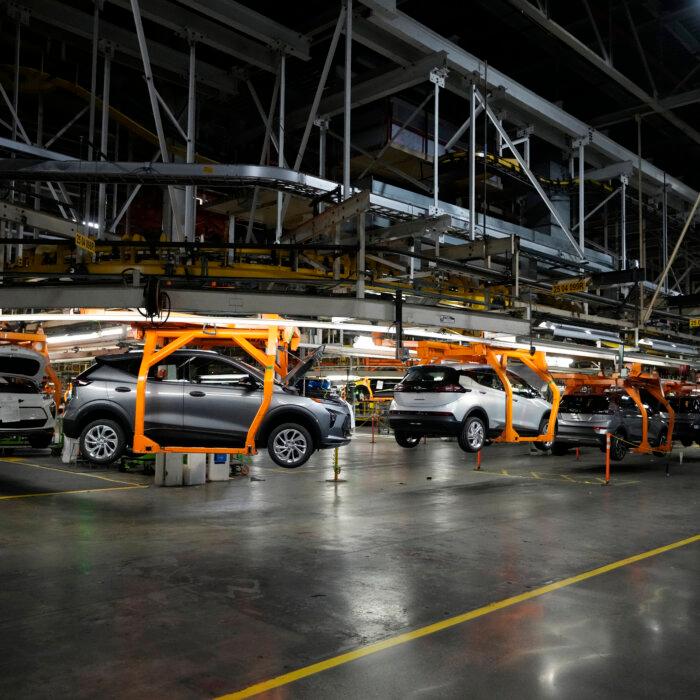
The program aimed to make electric vehicles (EVs) more affordable for Canadians by providing rebates of up to $5,000 to individuals purchasing or leasing EVs.
The Canadian Automobile Dealers Association welcomed the news as the organization estimates that its 3,500 members are owed around $11 million in rebates. The organization’s dealers had not claimed the rebates before the federal government ran out of funding and paused the program.
“I had dealers calling immediately after [Transport Canada’s briefing] who were very emotional on the phone, who have been worried about this, because this has had a huge impact on their cash flow,” said Huw Williams, the organization’s public affairs director.
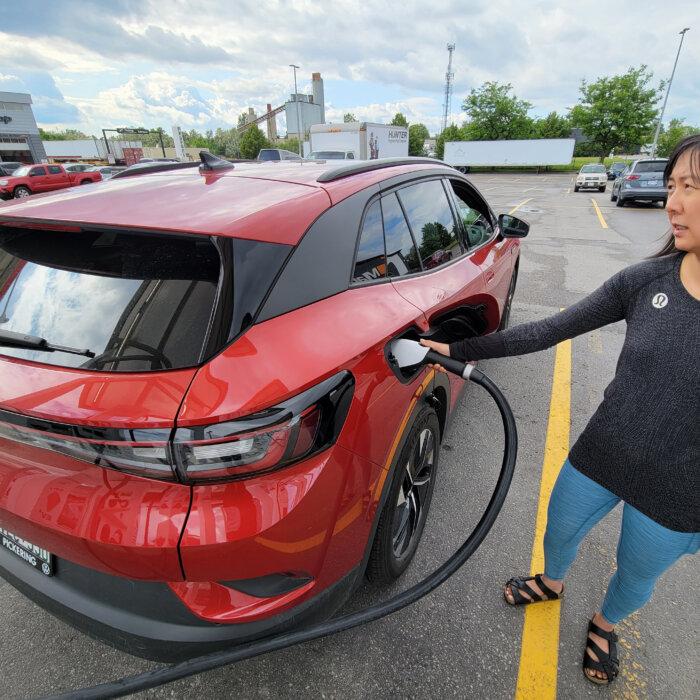
Williams said he will be discussing the incentive cutoff date of Jan. 12 with Transport Canada, but that for now the announcement is “a win for dealers.”
Tesla
Within 72 hours leading up to the suspension of the incentive program, Tesla dealerships filed a total of 8,653 EV rebate claims, including more than 4,000 in a single day on Jan. 11, according to data from Statistics Canada that was first reported by the Toronto Star in early March.Freeland called the tariffs “illegitimate and illegal” and said no payments would be made to Tesla under the incentive program until the government confirmed the claims had merit.
With the reopening of the claim system, Transport Canada says dealerships will be allowed to file a maximum of 25 claims per day.
EV Sales
EV sales have been down so far this year since the rebate program ended. Sales dropped by 23.1 percent in the first quarter of 2025 compared to that of last year, marking the first year-over-year decline since the start of the COVID-19 pandemic. In December 2024, sales had peaked at 18.29 percent of all new vehicles sold.Although half of EV sales in Canada were made in Quebec last year, the province experienced a decline of 50.8 percent in the first quarter of this year.
A Parliamentary Budget Office report from June 10 indicated that ownership costs of EVs would need to decrease by 29 percent to meet the government’s sales target of 60 percent by 2030. Had the government not announced plans to bring back the rebate, the cost of EVs would need to fall by 33 percent, the report said.