Cuba’s National Assembly on Thursday unanimously approved more than 175 economic reforms that would increase private enterprise within the country’s state-managed socialist framework. The package targets long-standing inefficiencies and the impact of U.S. sanctions.
Prime Minister Manuel Marrero introduced the measures in a nearly two-hour televised address to lawmakers, while President Miguel Díaz-Canel spoke ahead of the vote and discussed upholding socialist organization amid external pressure.
“What is being debated here is the dilemma of how to continue the process of socialist construction, which has suffered the longest blockade in history from the world’s greatest power,” Díaz-Canel said.
He added: “We are not renouncing socialism.”
Marrero said the market is “an instrument for the efficient allocation of resources.” He also said that “the updating of the economic and social model has the essential purpose of improving the quality of life of our compatriots.”
Former leader Raúl Castro supported the reforms, calling the steps “beneficial” and urging their quick implementation.

The reforms would permit private banks in Cuba’s finance sector, which has long been state-controlled. They would also allow private real estate development and the sale of state-owned properties to national and foreign legal entities, as well as individuals, such as Cubans living abroad.
State-owned businesses could be restructured into private commercial ventures, issuing shares and equity stakes. Private companies would be permitted to hire more than 100 employees for the first time, and entrepreneurs could own multiple firms.
Both public- and private-sector businesses, foreign and domestic, would be responsible for funding public services. The package also contains steps to ease the movement of private capital through a more open banking system under state oversight and a digital foreign exchange market with authorized agents.
Cuba’s economic plight worsened after the collapse of the Soviet Union, which ended subsidies upon which the socialist model had long depended.
Subsidized public services in education, health care, and transportation have deteriorated significantly, and tourism and foreign business activity have declined due to the sanctions.
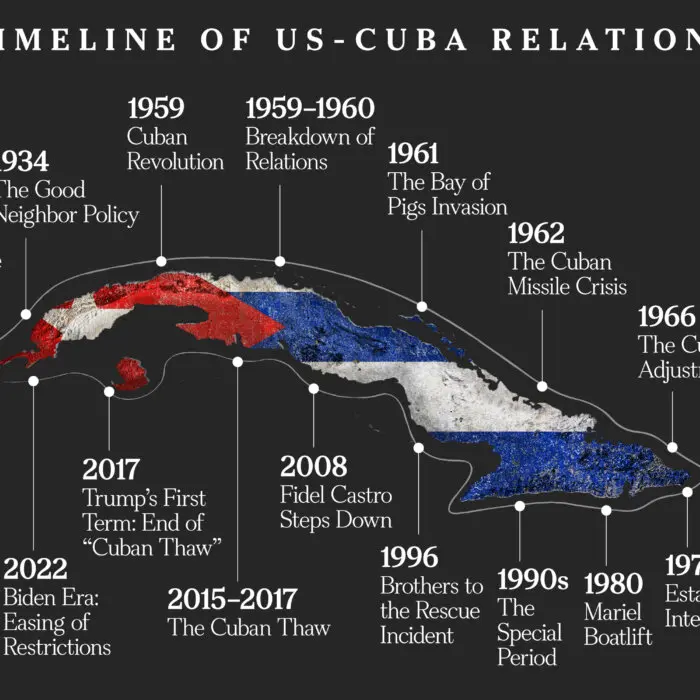
Díaz-Canel said the reforms approved Thursday were not tied to negotiations with the United States. He said those talks, which began earlier in 2026, have since stalled.
The measures mark the broadest changes to Cuba’s economic model since the 1959 revolution. They follow earlier, more limited openings but go further in allowing private capital, property transactions, and larger businesses.