Australia’s national science agency is preparing to shed as many as 350 full-time roles, warning it has reached a financial breaking point after years of rising operating costs and stagnant funding.
Chief Executive Doug Hilton told staff that CSIRO had arrived at a “critical inflection point,” forcing a major restructuring of its research programs and the loss of between 300 and 350 positions nationwide. Formal discussions with staff begin Nov. 20.
“These are difficult but necessary changes to safeguard our national science agency so we can continue solving the challenges that matter to Australia and Australians,” Hilton said.
The organisation said it had spent the past 18 months examining its research portfolio and concluded it must refine its focus around national priorities, including climate adaptation, clean energy, and emerging technologies.
Programs where CSIRO lacked scale or long-term impact would now be pulled back or discontinued.
Specific roles or divisions facing cuts were not identified, but the losses are expected to be spread across the country.
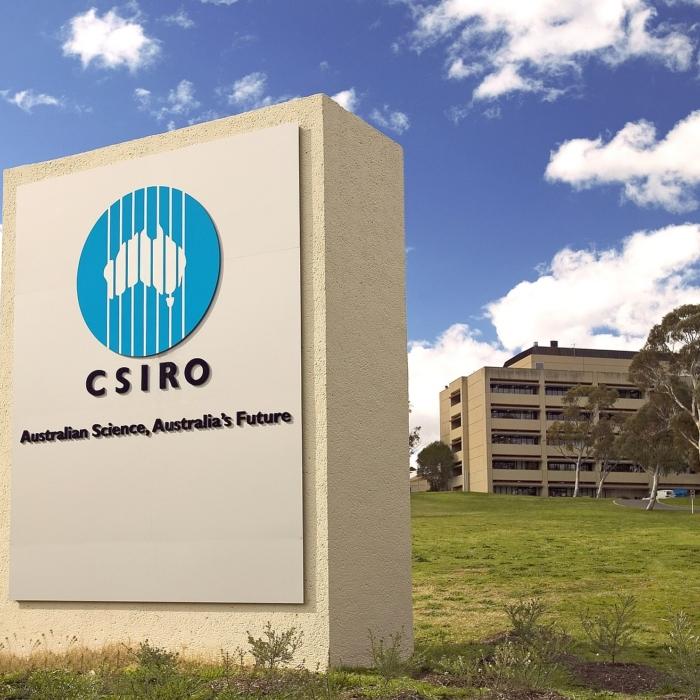
The move marks another significant contraction at the agency, which has already reduced staff by more than 800 positions in the past 18 months.
More than 440 jobs disappeared in 2023 alone, with around 200 fixed-term contracts allowed to quietly lapse without renewal.
CSIRO adds that for long-term sustainability, it requires $80–$135 million in annual investment for the next decade, covering critical repairs, maintenance, cyber protection, and modern research infrastructure.
Union Condemns Cuts
The CSIRO Staff Association (CSIROSA) said the latest announcement had shocked employees and represented a major blow to Australia’s scientific capability.In a statement, the union said the decision marked a “very sad day” for publicly funded research.
“With more than 800 research and science support roles already lost, these cuts now surpass those delivered by the Abbott government,” the association said.
CSIROSA Secretary Susan Tonks said the timing of the reduction was especially concerning given the rising demand for scientific expertise.
“These are some of the worst cuts the CSIRO has ever seen,” she said.
“The Albanese Labor government needs to fix this mess by committing to urgent funding that halts the cuts and secures the future of CSIRO’s world-leading science and research.”
Government Defends Restructure
Federal Science Minister Tim Ayres said the job cuts were part of a broader refocus to ensure CSIRO delivers on emerging national needs, particularly in sectors critical to economic transition.“Reform is essential to make sure the facilities, research priorities, and technologies of yesterday meet the needs of tomorrow,” Ayres told the ABC.
He acknowledged the internal upheaval but argued the agency would ultimately be strengthened by concentrating on areas such as critical minerals, advanced manufacturing, and cleaner industrial processes.
Greens Calls For More Investment
The Greens accused the government of allowing the agency to deteriorate financially and called for emergency support to prevent the cuts.“At a time when it has never been more important for governments to invest in science and research, it is shameful that our nation’s premier science and research organisation is cutting hundreds of jobs to make ends meet,” Greens science spokesperson Peter Whish-Wilson said.
Whish-Wilson said the minister must explain how CSIRO had been forced into such a position.
Accord Flags Research Risk
Universities Australia Chief Executive Luke Sheehy said the cuts signalled deeper trouble across the entire research sector.He claimed that Australia currently invests 1.69 percent of GDP in research and development—well below the OECD average of 2.7 percent and far behind innovation leaders such as South Korea and Germany, which invest more than 3 percent.
Sheehy said sustained underinvestment would cost Australia its scientific talent, essential infrastructure, and the discoveries that underpin jobs, national security, and long-term technological advantage.