A Yukon man who contracted hantavirus on a cruise from Argentina to Antarctica has recovered and been let out of hospital, according to B.C. health authorities.
Health officials said three other Canadians who had also been quarantining due to possible exposure to hantavirus aboard the cruise remain symptom free after completing their 42-day quarantine period, which is the longest-known period for the virus to incubate.
The individuals identified as possible carriers of the virus were a Yukon couple in their 70s, a British Columbian in their 50s who lives outside Canada, and a Vancouver Island resident in their 70s. However, only the Yukon man tested positive for the virus.
Hantavirus
Hantavirus is a rare virus that generally spreads via contact with particles from feces, urine, or saliva of infected rodents and is often spread when such particles become airborne while sweeping or cleaning.The most serious strains of the virus can lead to severe illness in the lungs and damage to other organs, as well as death, although more commonly it results in symptoms such as fatigue, fever, aching muscles, headaches, and nausea.
The overall risk to Canadians of contracting hantavirus is low, according to the Public Health Agency of Canada.
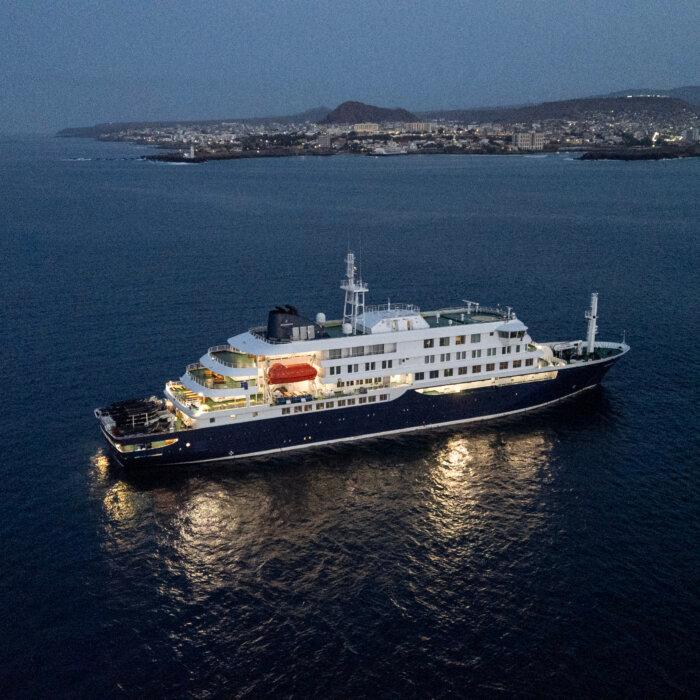

The infected Yukon man and the three other Canadians were identified as possible carriers of the virus after they travelled aboard the MV Hondius cruise ship, where at least 11 cases were found following the ship’s departure from Argentina in April.
Andes Strain
The Andes strain of hantavirus identified onboard is a rare form of the virus that is not only contracted via urine, saliva, or fecal particles of infected rodents but can also spread from person-to-person in close contact, according to health authorities.However, B.C. Provincial Health Officer Bonnie Henry has said there is no evidence that the Canadians who quarantined after the cruise, including the infected Yukon man, had any direct contact with those who got sick onboard the MV Hondius.
However, due to the relatively long incubation period during which the virus remains active and the fact that passengers from more than 20 countries had been onboard, health authorities said they did not have conclusive evidence of where or how the virus originated and found its way onboard the ship.