Queensland’s decision to extend the life of its coal-fired power stations until the 2040s—and likely beyond—has spurred questions over how it will impact the state’s competitiveness.
“If other states are moving out of coal, and yet private enterprise still sees coal as economically profitable, then Queensland will surely be carving itself out a favourable niche relative to other states by keeping its coal plants going,” said UNSW economist Gigi Foster, in an interview with The Epoch Times.
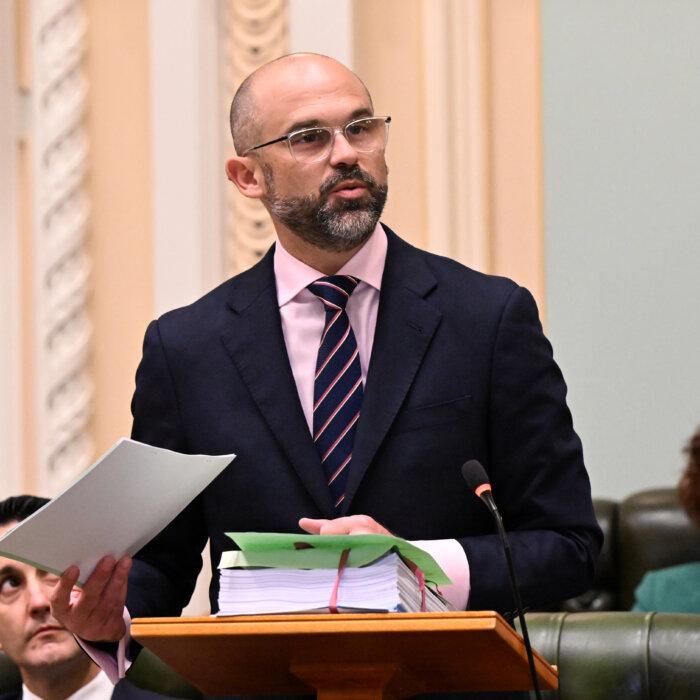
Earlier this month, Energy Minister David Janetzki confirmed coal power would remain part of the mix for at least two more decades, as the government released its long-awaited Energy Roadmap outlining the role of coal, gas, wind, solar, pumped hydro and battery storage.
“This is a sensible and pragmatic plan built on economics and engineering, not ideology,” Janetzki said.
Edge Over Victoria
Graham Young, executive director of the Australian Institute for Progress, said extending coal operations “should make our power cheaper than it would otherwise have been and will certainly make it more reliable.”“That will give us an advantage over other states when it comes to industry,” he said, noting that energy-intensive manufacturers were watching Queensland closely.
Meanwhile, Foster believes the policy will give Queensland a “100 percent economic edge” over states such as Victoria, which is grappling with budget deficits and high energy transition costs.
Foster said Queenslanders could also see cheaper energy prices, and businesses could avoid productivity losses from the net zero push, which is forcing some industries to “change technologies earlier than markets have discovered it to be worthwhile.”
What’s the Future of Renewables in Queensland?
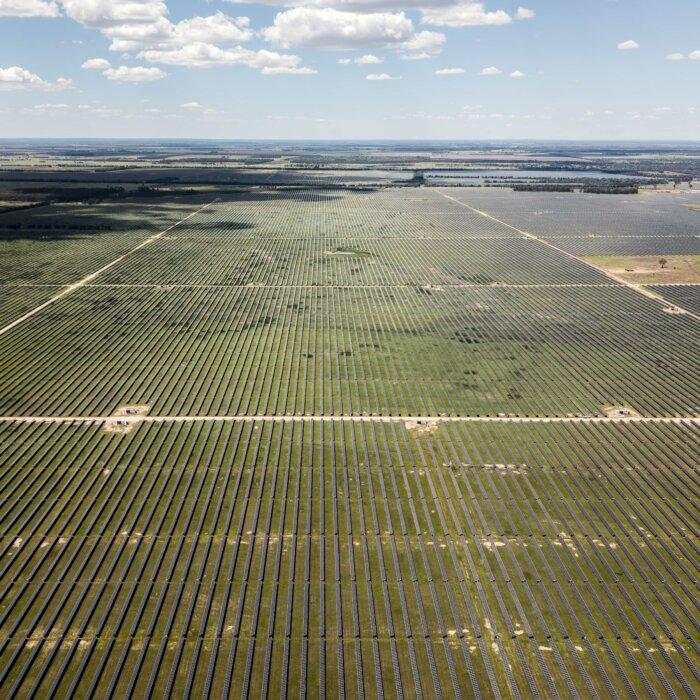
The professor said private companies will still invest in renewables “if it makes economic sense,” while governments may continue doing so “to signal” their support for environmentalism.Foster added Queensland could benefit by watching other states go first.
“Since other Australian states are pushing for the ‘clean-energy’ transition to hurry up and happen, presumably they will experiment and make mistakes that Queensland can just sit back and learn from.”
Young agreed, noting that “the plan still allows for more investment in clean energy than was the case in all years of the previous Labor government, bar 2022, when it was similar to what is projected going forward.”
Independent economist Saul Eslake said Queensland’s ownership structure also gives it more political control—and risk—over its energy assets compared with other states.
“The Queensland government owns most of the coal-fired power stations, whereas in New South Wales and Victoria they are privately owned, so there is more scope for political considerations to override commercial ones in Queensland,” he said.
Global Competition and Fiscal Risks
While the strategy may strengthen Queensland’s domestic position, analysts say global competitiveness and fiscal stability could present challenges.Young cautioned that energy costs will still rise over time.
“Power will still be more expensive than it is now because of all the additional generation and network that will need to be installed,” he said.
“That matters because our competition is the rest of the world rather than the other states,” he added.
“China, with its huge coal-fired base, along with hydro and nuclear but not much wind and solar, is going to remain much cheaper. India is in a similar position, as are some other South-East Asian countries.”
Eslake said Queensland’s approach is likely to work “at least in the short run” but could face headwinds later.
“They might be in trouble if at some point, probably not in the next 3–5 years but potentially in the following decade, coal-fired generation (and products made using it) lose their social licence,” he said.
He also pointed to fiscal pressures.
“Based on the most recent forecasts, Queensland is looking at non-financial public sector cash deficits averaging 3.5 percent of gross state product over the four years to 2028–29 — the largest of any state except Tasmania.”
“And although Queensland’s non-financial public sector net debt is currently lower—12.2 percent of GSP compared with Victoria’s 27.6 percent—it is set to increase much faster over the next four years,” Eslake said.