Costa Rica’s President Rodrigo Chaves revealed Wednesday that his government has ceased recognizing the legitimacy of Cuba’s communist regime and ordered the Cuban embassy in San José to close.
“Costa Rica does not recognize the legitimacy of Cuba’s Communist regime, given the mistreatment, repression, and undignified conditions endured by the inhabitants of that beautiful island,” Chaves said. “We must cleanse the hemisphere of communists.”
During Wednesday’s press conference, Foreign Minister Arnoldo André Tinoco said the government chose to shutter its Costa Rica embassy in Havana and asked Cuba to remove its diplomatic personnel from San José, while permitting consular services to continue for practical purposes.
The decision comes as the Chaves administration positions itself against perceived leftist influences in the region and transnational crime syndicates. Meanwhile, Costa Rica and the United States increased collaboration on stopping drug trafficking.
Chaves doubled-down on the country’s security infrastructure at key ports, including Japdeva’s Gastón Kogan port, Peñas Blancas, Paso Canoas, and Caldera. Chaves on Wednesday connected the technology’s rollout to his administration’s campaign against organized crime.
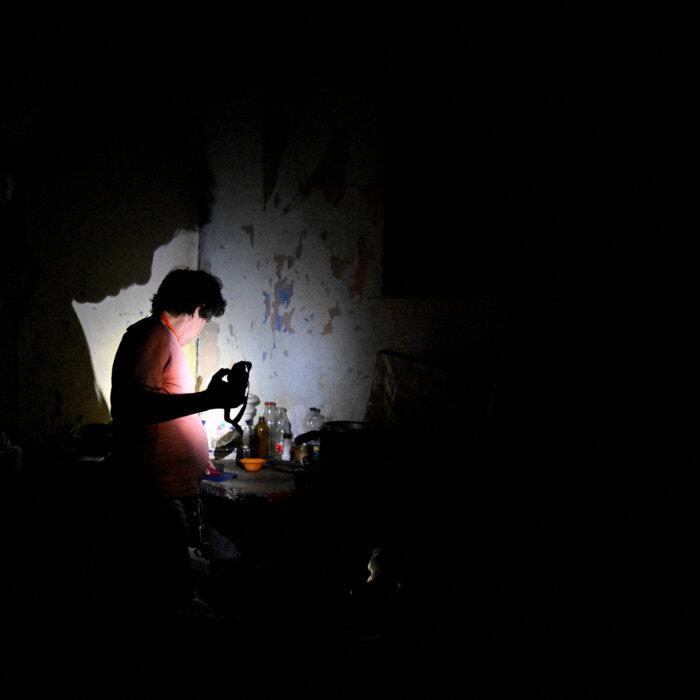
Chaves said the new scanners would play a key role in blocking cocaine and fentanyl flows, crediting American support while condemning past domestic setbacks.
Cuba’s foreign ministry said it was informed on Tuesday of Costa Rica’s order for diplomatic staff to withdraw, leaving only consulate staff in place starting April 1. It said Costa Rica offered no justification and called the decision “arbitrary,” claiming it was made under pressure.
The move follows Ecuador’s decision on March 8 to close its Cuban embassy and declare Cuba’s ambassador Basilio Gutierrez and his diplomatic staff “persona non grata,” giving him 48 hours to leave the country.
Cuba’s Foreign Ministry condemned the move, blaming the United States for Ecuador’s decision.