The first renewable energy zone (REZ) announced by the New South Wales government will now cost the state’s energy consumers $5.5 billion, rather than the $650 million initially estimated in 2021.
What’s the Zone Planned For?
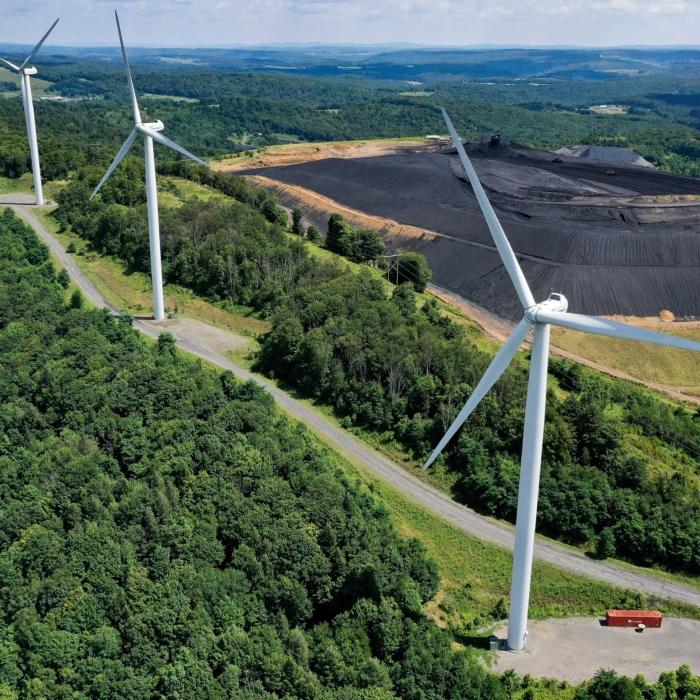
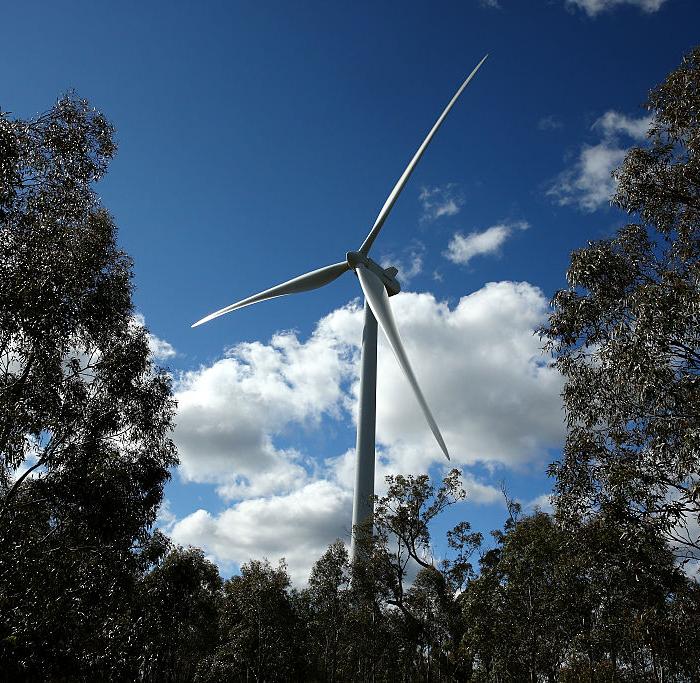
It was the first zone to be developed under the NSW government’s “Electricity Infrastructure Roadmap,” and is planned to initially deliver 4.5 gigawatts (GW) to 10 projects that secured access rights earlier this year.The projects are a mix of solar, wind and storage with a planned capacity of 7.15 GW and storage of 5.2 GWh.
Eventually, the development is slated to support up to 7.7 GW by 2038.
Delivering the energy generated by the private providers will require 90 kilometres of 500 kiloVolt (kV) overhead transmission lines and 150 kilometres of 330 kV lines, stretching from Elong Elong in the west through to Barigan Creek in the east, via an energy hub at Merotherie.
More Funds Needed From All Stakeholders
However, rising costs meant ACEREZ went to the Australian Energy Regulator (AER) to seek permission to increase charges to consumers.The Australian Energy Market Operator (AEMO), in its 2025 Electricity Network Options Report, said costs are, in some cases, 100 percent higher than it reported in 2024. And given last year’s estimate was based on 2023 assumptions, that means costs have doubled in two years.
Given the sharp rise in costs, the AER approved the increase, but points out that this will not be entirely covered by electricity customers, with some also coming from REZ access fees paid by generators and storage providers.
In addition to capital costs, consumers must also contribute to operational costs through quarterly payments. AER says these will amount to $1,511.9 million over the first five years of the project (2025–29).
The government expects that up to $20 billion will be privately invested in solar, wind, and energy storage projects, supporting about 5,000 jobs during peak construction.
The Central-West Orana REZ is planned as the first of five in the state, eventually providing 12 GW of renewable energy projects and 2 GW of storage, including large-scale batteries.
The Albanese government’s plan to transition completely from coal to renewables by 2050 will require the construction of about 10,000 kilometres of high-voltage transmission lines similar to those being built at the CWO REZ site.