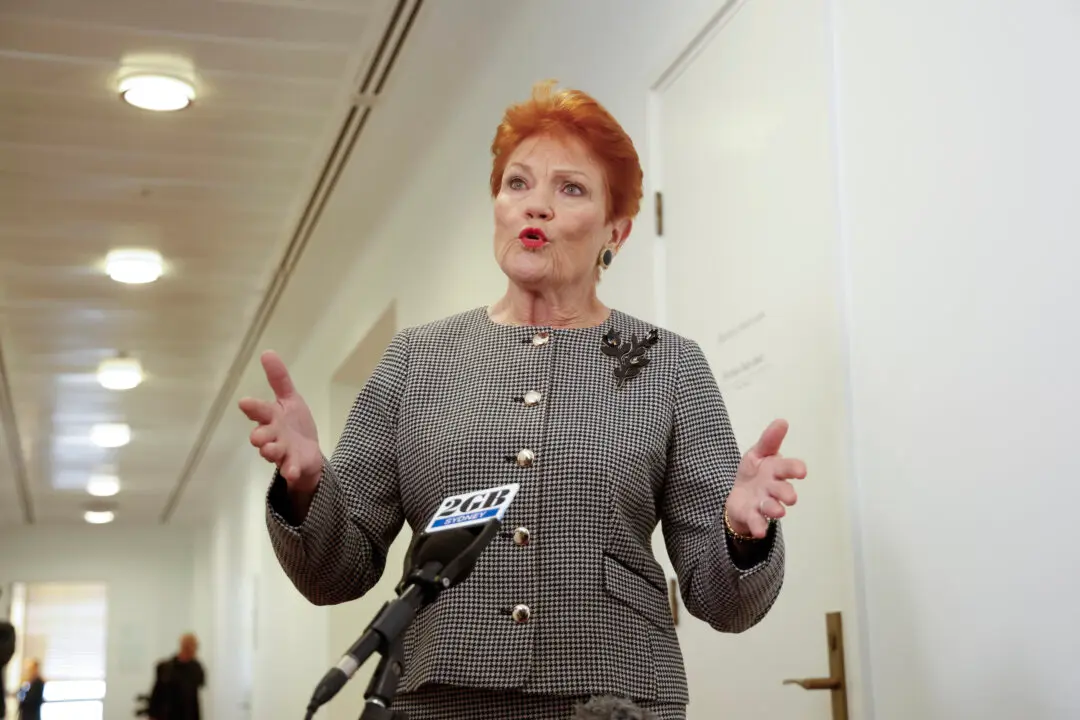
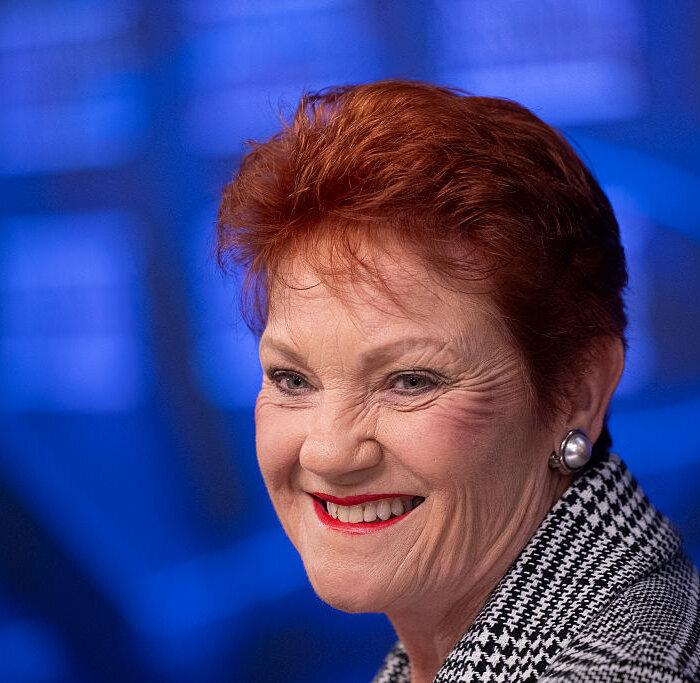
Conservative-leaning One Nation leader Pauline Hanson says Australia’s defence budget should increase from around 3.5 percent of GDP to 5 percent.
The senator said funding the increase would come by dissolving several government departments and welfare programs.
“I'd like to see more defence spending in drones and missiles,” Hanson said, warning against free-riding on allies like the United States.
“We must be able to defend ourselves as a nation, and I think we’ve allowed this to slip too far, and defence personnel need to know that their governments are behind them,” she told Sky News Australia.
Hanson estimated the new defence budget would cost around $70-80 billion per year (US$46-52 billion).
“But let’s look at some figures,” she said.
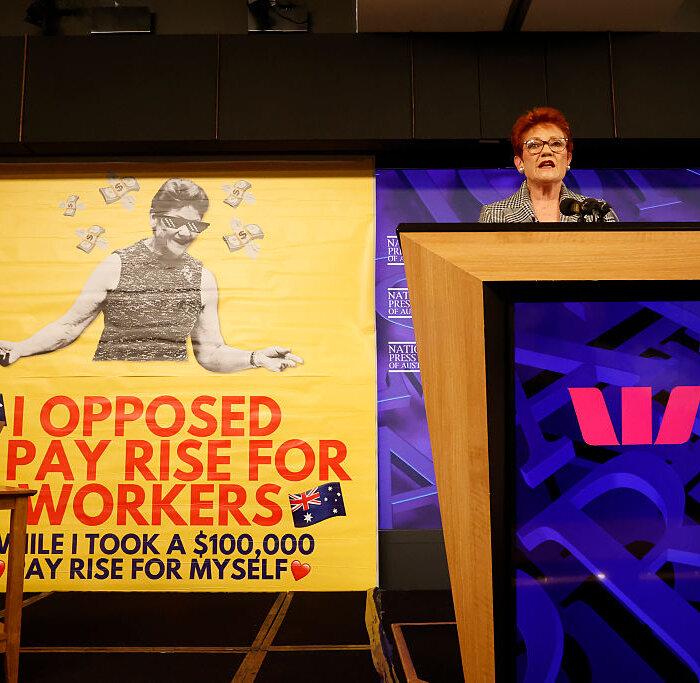
“Where’s funding coming from? But if we can do cuts, get rid of the Climate Change Department, that’s $30 billion. Get rid of the Aboriginal industry, that’s another $30 billion.
“You can actually cut back on duplication of health and also the education departments between federal and state. That’s a lot of savings.”
One Nation’s popularity has surged since late last year with the party’s popularity now outstripping the current Labor Party government.
The senator also pointed to savings from axing the environment minister’s current advocacy role to the global climate Conference of the Parties (COP), which costs around $150 million, and also dissolving the multi-language Special Broadcasting Service (SBS) and heavily shrinking the Australian Broadcasting Service (ABC).
Hanson also pledged tax relief for workers.
“I want to actually create productivity, get industries and manufacturing going,” she said.
“If you create productivity ... it’s going to actually get people tax relief in this country.
Hanson’s defence spending plan is higher than both that of Labor and the Coalition amid pressure from the Trump administration to spend more.
“Australia cannot continue to free-ride off allies, particularly the United States, when it comes to our own defence,” said John Storey, director of Law and Policy at the IPA.
“Over the next decade, increasing Australia’s defence investment to at least 3 percent of GDP would provide an additional $206 billion investment in defence. This far surpasses the government’s inadequate plan, which amounts to just $50.3 billion.”