The Ebola outbreak spreading in Africa has killed more than 1,000 people, authorities said on July 23.
The number of confirmed deaths from Ebola in Congo in recent months hit 1,033, Congolese authorities said.
Forty percent of the confirmed 2,536 patients have died.
Another 506 people have recovered, and 738 are currently in isolation or being treated in hospitals, according to officials in the central African country.
“Health teams are pursuing surveillance operations, case management, and contact tracing to contain the spread of the disease,” Congo’s Ministry of Communications said.
Teams have been able to track the contacts of 77 percent of patients in a bid to control the outbreak, much lower than the 90 percent threshold suggested as ideal by the World Health Organization.
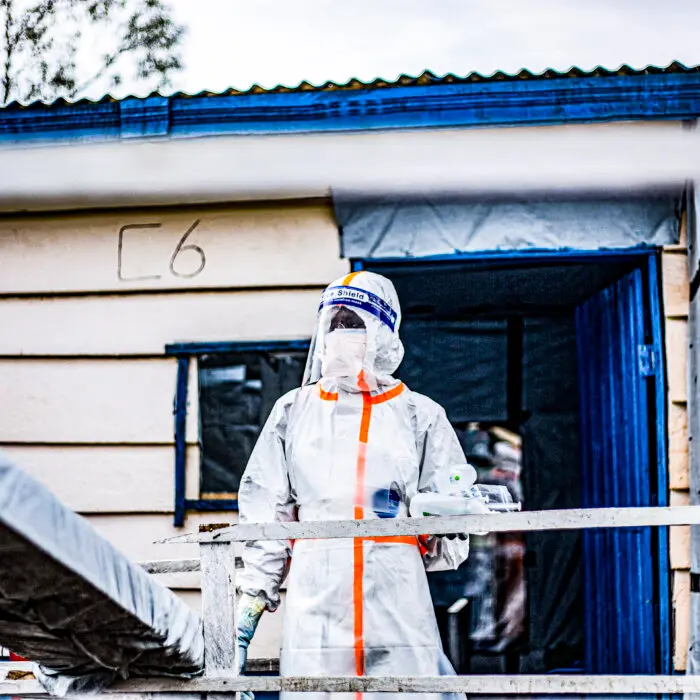
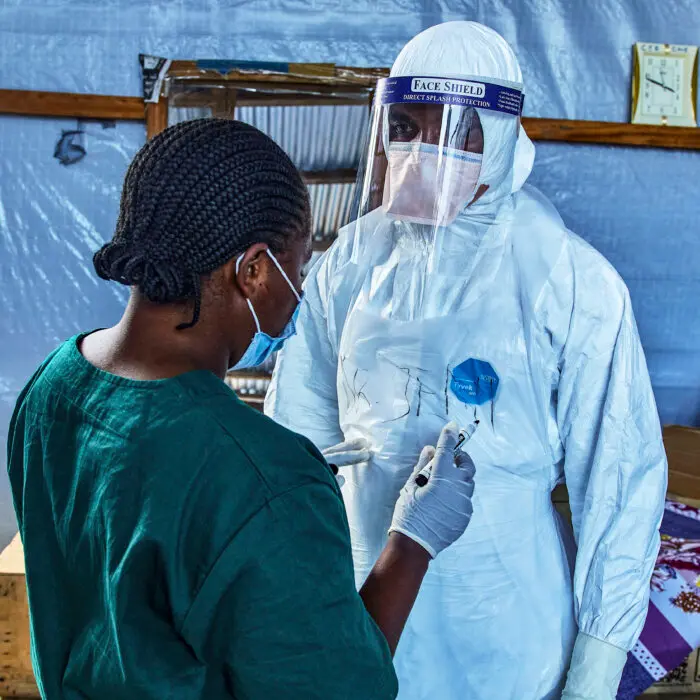
The only other deaths confirmed in the outbreak are two in Uganda, which has not recorded any new cases in several weeks.
The outbreak was detected in Congo in mid-May, although it is believed to have started weeks or even months earlier. It is caused by the Bundibugyo virus, a rare type of ebolavirus for which there are no approved treatments or vaccines.
“These are people dying. They are dying because we don’t have vaccines, we don’t have medicine, we don’t have funding,” Dr. Jean Kaseya, director-general of the Africa Centers for Disease Control and Prevention, said during a summit in Ghana on Wednesday.
The Africa CDC and other entities have been seeking and have received tens of millions in funding from the United States and other countries to combat the outbreak, but say they need more funds and resources.
World Health Organization Director-General Tedros Adhanom Ghebreyesus told reporters earlier in July that the outbreak was “continuing to outpace the response” and that the response plan needed more than $400 million in additional funds.
Ebola was first identified in 1976 after an outbreak in modern-day Congo. The deadliest Ebola outbreak on record ran for two years starting in 2014 in West Africa, causing 28,610 cases and killing 11,308 people.
That outbreak was caused by the Zaire ebolavirus.
The current outbreak is growing at a much faster rate than that outbreak did, according to Kaseya.
U.S. Centers for Disease Control and Prevention scientists said in modeling projections released in June that absent “large-scale and sustained public health interventions,” the outbreak centered in Congo could become as large as the 2014–2016 outbreak.
“Rapid identification of cases, contact tracing, isolation and treatment of persons with [Ebola], community engagement, and use of safe and dignified burial for persons who die from [Ebola] are necessary to control the outbreak,” they said.