The supermarket price war has ratcheted up a notch as Coles prepares to drop prices on over 300 grocery items this week, and roll out boosted loyalty rewards, to challenge rival Woolworths.
Starting June 4, prices for 307 winter essentials will be cut for 12 weeks under its “Down Down” promotion.
The company says customers will save an average of 19 percent. Coles will also launch its first-ever Flybuys bonus campaign, offering 10 times the loyalty points on over 800 products throughout June.
“This winter we’re investing in bringing prices down to deliver immediate relief at the checkout to our customers,” said Anna Croft, chief commercial officer, saying it aims to bring relief to families struggling with inflation.
Woolworths and Aldi sharpen pitches
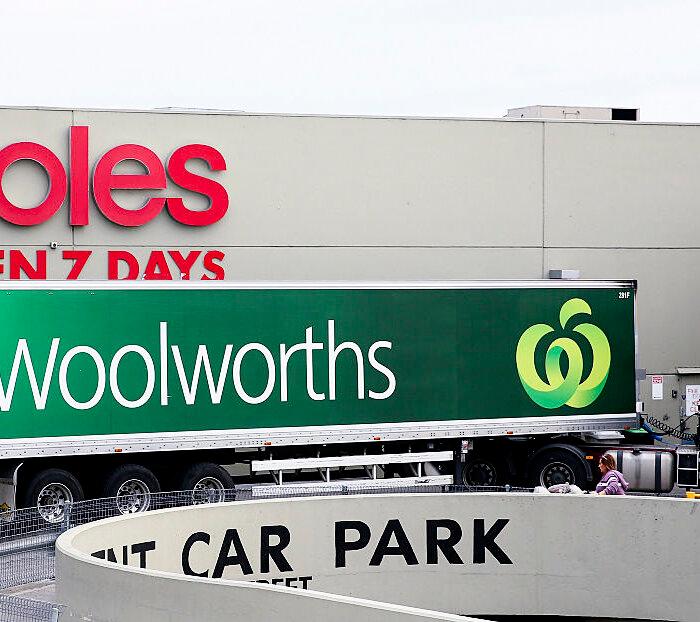
The move comes a month after competitor Woolworths announced on May 12, it would cut prices on 400 items in stores and online, averaging a 10 percent discount.The company estimated a family spending $150 a week could save around $15 through the reductions, which apply to cereals, yoghurt, soft drinks, and household basics.

The low-cost Aldi did not come out with any specific counter-discount but the group was quick to make an announcement saying “we don’t rely on temporary discounts and our customers don’t have to chase them.”
“At ALDI, our Price Promise is straightforward— we will not be beaten on the cost of your weekly shop, it is the heart of who we are,” said Anna McGrath, CEO, ALDI Australia.
Watchdog Flags Profit Margins, Calls for Reform
The competition ramp-up comes amid scrutiny from the Australian Competition and Consumer Commission (ACCC), which sued Woolworths and Coles in September 2024 over alleged misleading discount pricing claims.The ACCC’s March 2025 report found Coles, Woolworths and Aldi to be among the most profitable supermarket chains globally, with average product margins rising steadily over the past five years. It said this had led to “worse” outcomes for consumers and suppliers.
The report also noted that market entry for larger competitors remains difficult, citing Aldi’s two-decade struggle to capture just 9 percent of market share. Meanwhile, Metcash’s IGA network has been shrinking.
The watchdog has called for government support for remote community stores, changes to zoning regulations to ease new supermarket development, and mandatory price disclosures. It also recommended ALDI, Coles, and Woolworths publish real-time pricing online for third-party comparison tools.