The Coalition dedicated a substantial amount of Question Time towards criticising Labor’s recent three-day productivity forum.
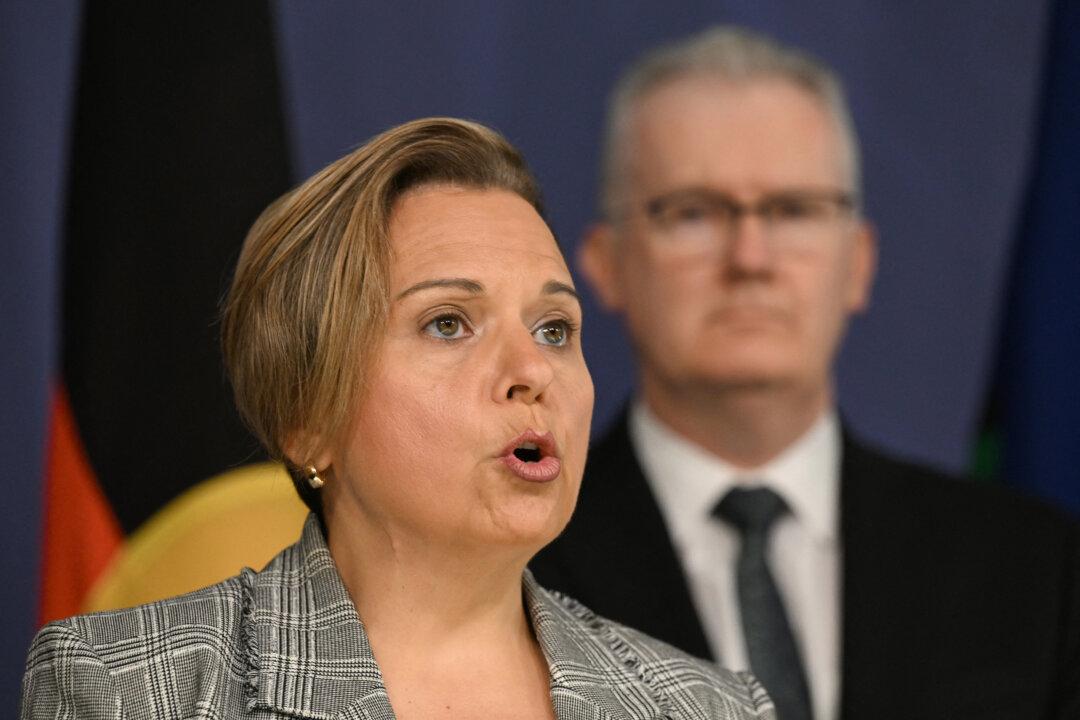
Opposition Leader Sussan Ley led the charge, calling last week’s roundtable a “Canberra talkfest.”
She said the “best announcement” from the event was Labor’s partial adoption of Coalition housing policies, like the freeze on the National Construction Code and a smaller-deposit scheme for first-home buyers.
“Prime minister, why did it take a three-day talk fest for you to realise that Coalition policies work and Labor policies fail?” Ley asked.
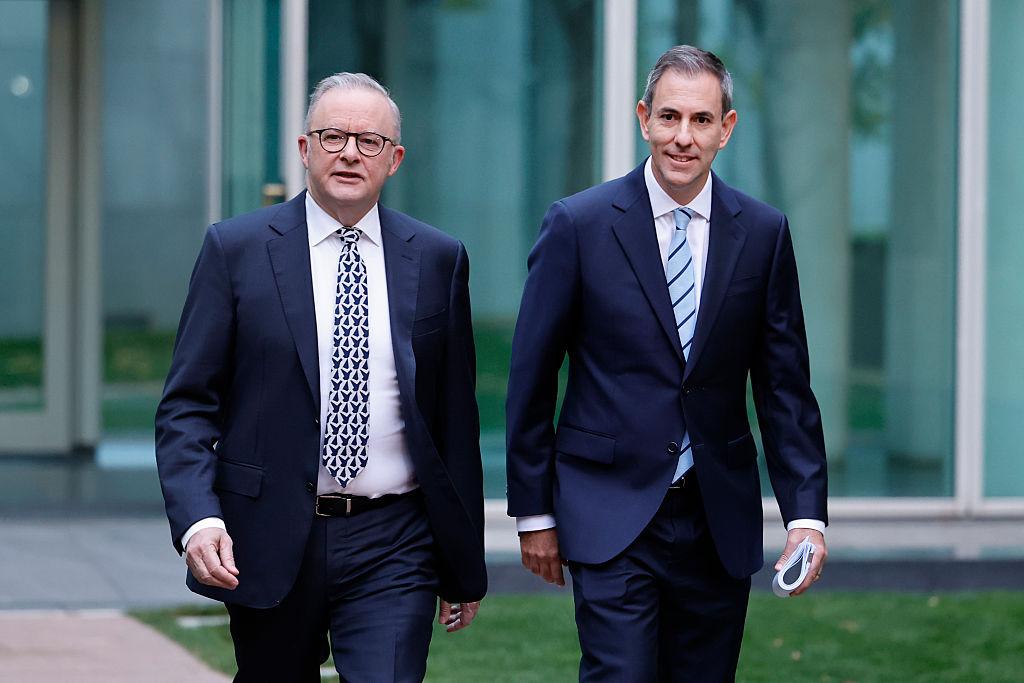
Prime Minister Anthony Albanese responded saying it was “very bold” to claim Coalition housing policies worked.
“For most of the time they were in office, they didn’t even bother to have a housing minister,” he retorted.

Albanese pointed to his government’s $43 billion Homes for Australia plan, noting almost every element had been opposed by the federal opposition.
On Aug. 25, the government announced it would bring forward its first-home buyer scheme, allowing Australians to purchase a property with a 5 percent deposit, with the government guaranteeing the remaining 15 percent.
Originally due to begin in January 2026, the scheme will now start in October 2025.
Ley Says No Relief for Cost of Living
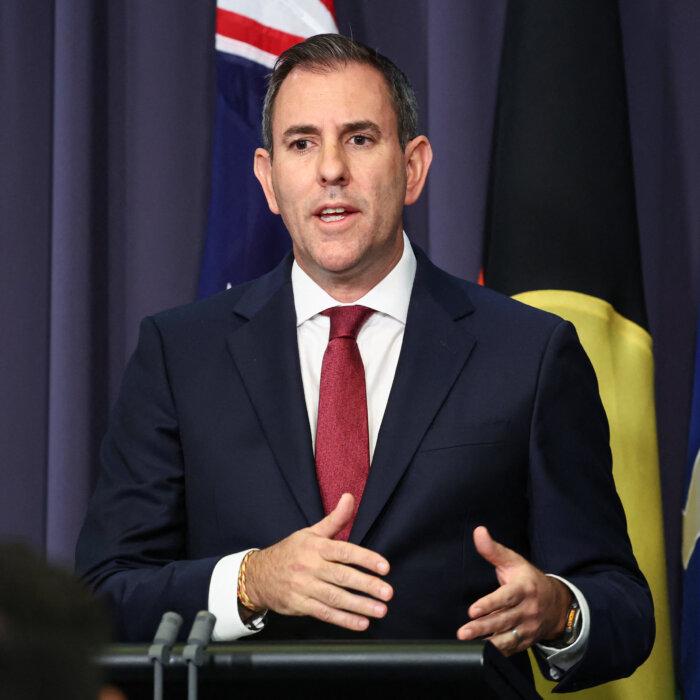
Ley pressed again, saying the roundtable delivered “no real relief” on power bills, grocery prices, or living standards, and left “the door open to higher taxes on people’s savings, their super, their businesses, their homes and even their spare rooms.”Treasurer Jim Chalmers defended the roundtable saying it had produced a roadmap for reform, including broad support for a road user charge on electric vehicles and further tax reform.
Coalition Pressed on Spending Control
Shadow Deputy Leader Ted O’Brien pressed Chalmers on whether he would introduce “quantifiable fiscal rules” to stop government spending.Chalmers countered, “Those opposite went to the election with three fiscal rules: higher taxes, bigger deficits, more debt. The dishonesty and the hypocrisy at the core of that question is astonishing.”
He argued Labor’s record showed progress, “We’ve engineered the biggest positive turnaround in a budget in nominal terms in the history of the federation,” pointing to $100 billion in savings, debt reduced by $177 billion, and $60 billion in interest savings.
He said Labor had “limited real spending growth to 1.7 percent” and cut debt-to-GDP from 45 percent to 37 percent. By contrast, he said, the Coalition had “failed every single test that they set for themselves” and “never produced a budget surplus.”
O’Brien then pressed Albanese directly, citing Treasury forecasts that Labor would spend not just $8 billion in upward revisions to revenue, but an extra $26 billion on top.
Albanese responded saying Chalmers would continue to “do the great work” done during Labor’s first term.
While the treasurer said Labor had banked “about 70 percent of upward revisions to revenue” compared with 40 percent under the former Howard and Costello government, and 30 percent under later Coalition governments.
“That’s why their fiscal rules in office weren’t worth the paper they were written on,” he said.
O’Brien had during the roundtable argued the current government benefited from the highest terms of trade in Australia’s history, delivering a $241 billion boost to the budget bottom line over four years.
“Had the treasurer simply sat on his hands and allowed this windfall to pay down debt, it would have fallen by $241 billion. Yet a comparison of the 2022 and 2025 [Pre-election Economic and Financial Outlook or PEFOs] shows debt is only $147 billion lower than originally forecast. So roughly $100 billion has gone missing. Where did it go?,” he said in a statement last week