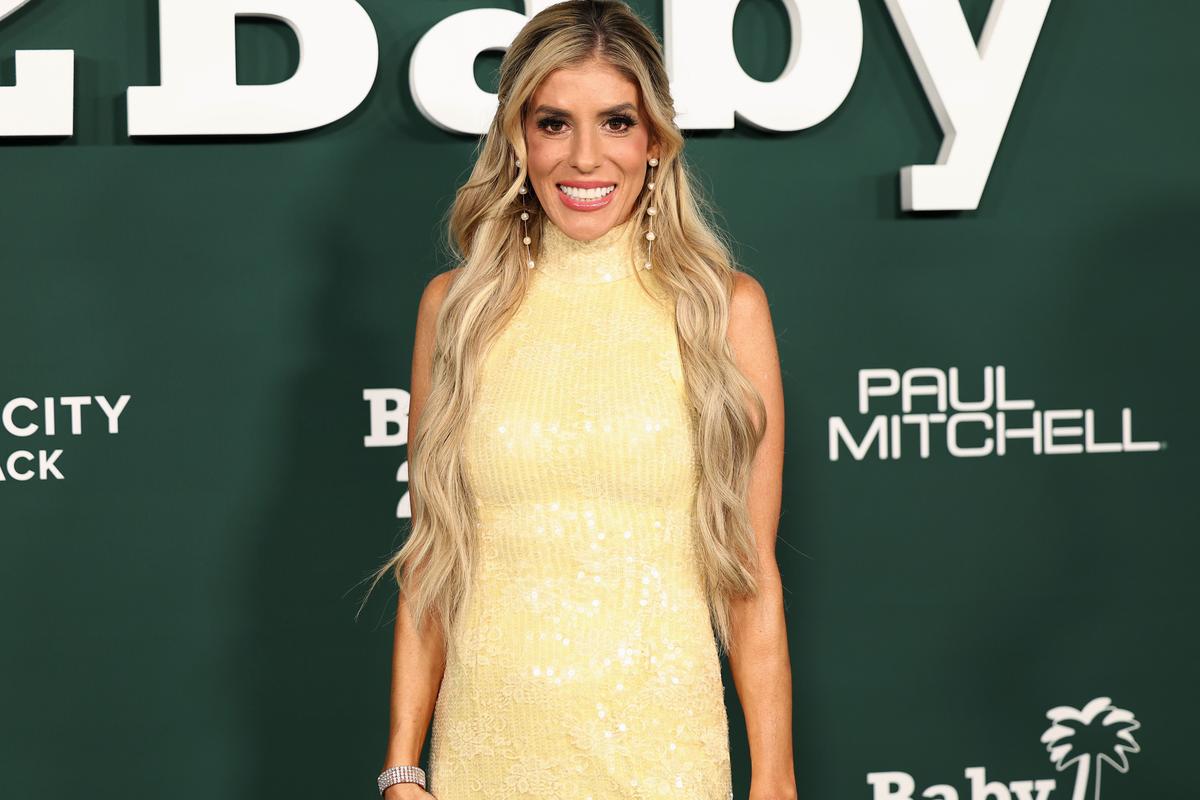
Popular YouTubers Like Nastya and Rebecca Zamolo are not the real-life friends of seven-year-old Zunaira (pseudonym) in Canberra, but online they feel close enough.
After school Zunaira she spends hours watching and rehearsing their videos, dreaming of being a creator herself.
“When I’m older, I’ll have millions of followers like Nastya,” she tells her parents.
Eleven-year-old Ben has the same ambitions, but in gaming. He speaks about “GamingWithKev” and “Ryan” the way previous generations talked about sports stars.
Like Nastya is one of the world’s biggest child YouTubers, making songs, educational clips, toy unboxings and role-play content for more than 127 million subscribers.
Rebecca Zamolo is known for challenge videos, DIY projects, and her “Game Master” storyline, while “Ryan’s World” produces toy and science videos for more than 40 million followers.
Forbes has previously listed Ryan, Zamolo, and Nastya among the highest-paid young creators, while GamingWithKev has built a major kids-gaming audience through gameplay and reaction videos.
Both children belong to a generation that sees online influencing as a legitimate career.
But from Dec. 10, that pathway will shrink.
Australia’s new social media ban takes effect on Dec. 10, requiring platforms like Snapchat, TikTok, Facebook, Instagram, and YouTube to remove accounts belonging to users under 16.
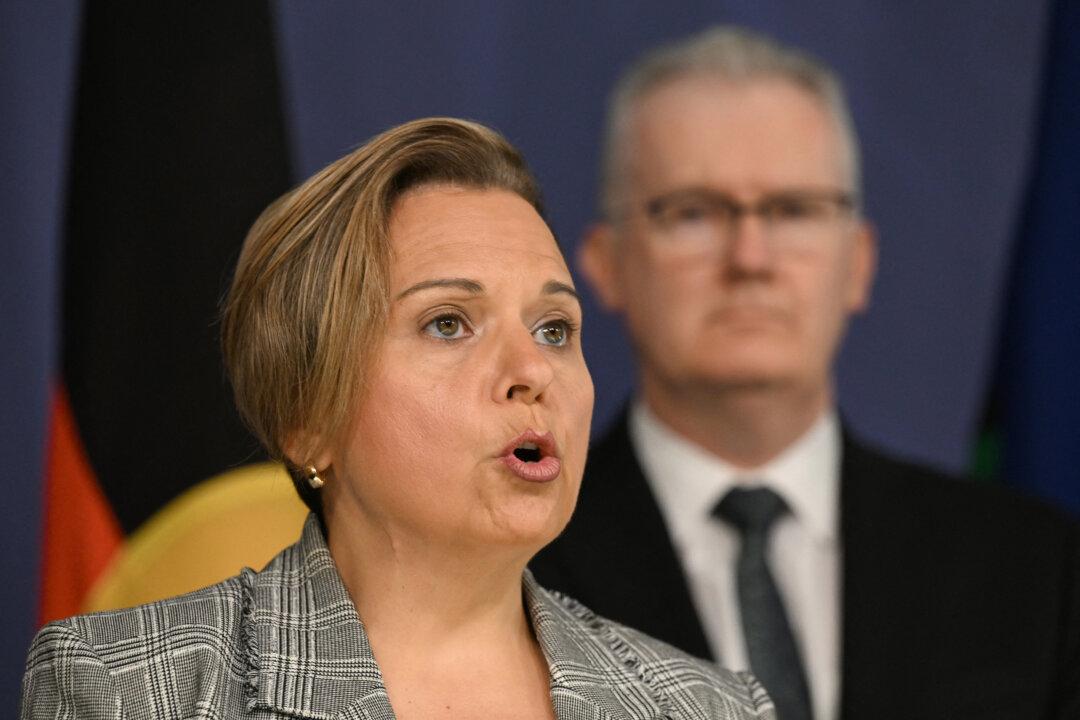
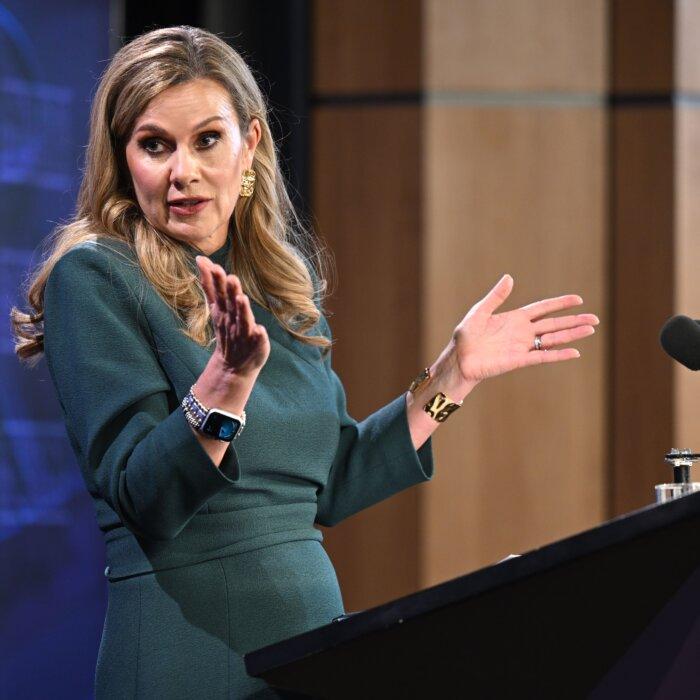
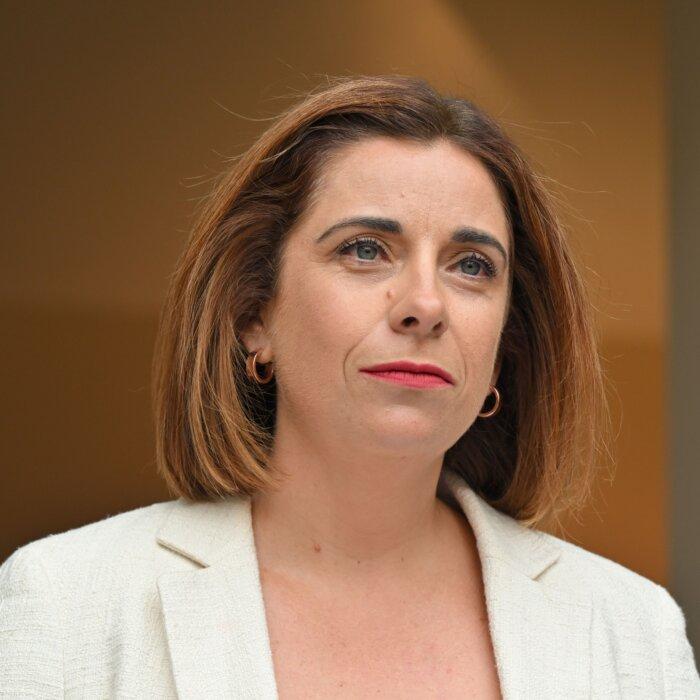
Federal Communications Minister Anika Wells said the government would “monitor intended and unintended consequences” of the ban and adjust the law if necessary.
“There are a range of consultations we have done with all stakeholders … and we will have a two-year survey so we all have a clear snapshot of how this law has worked and how it has not,” she told The Epoch Times.The Billion-Dollar Influencer Industry
Behind these ambitions is a booming industry. Advertising spending on influencer marketing in Australia is forecast to reach $1.21 billion in 2025, with annual growth projected to exceed 15 percent.
By 2030, industry estimates suggest the sector could exceed $2.5 billion, driven by rising engagement with niche creators.
Younger consumers are driving this shift.
Half of Australians aged 18 to 29 are more likely to buy a product based on an influencer recommendation, while fewer than 25 percent of respondents in that age group said television influenced their shopping decisions.
Meanwhile, 46 percent told researchers they had purchased a product because they saw an influencer using it.
Marketing agencies say trust is a key factor, with many respondents saying they are more likely to trust a sponsored post from a niche influencer than a celebrity endorsement.
“The way Australians get their inspiration has changed drastically in the past decade,” says Natalie Giddings, managing director of Hoozu in the IZEA report on the social media trends released in 2024.
“Influencers now shape consumer preferences in a way traditional advertising often does not.”
Identity and Opportunity
For families like Ben’s, the ban feels like shutting down a creative path that children believed could be their future career.
“It’s like suddenly shunting us out of a space we’ve been part of day in and day out,” he says.
However, other children see a chance to get their lives back on track.
Ballarat schoolgirl, Pippa Martin, 13, says she'll stop comparing herself to other kids and focus on her own pursuits.“Sometimes I see videos of someone else playing the piano and I think I’m never going to be that good and I should just stop trying,” she told AAP.
“I feel like now I'll start playing the piano more without my apps.”
Martin also said she was exposed to harmful content online like the shooting of American political activist Charlie Kirk in September.
The Court Challenge
Meanwhile, the federal government is already facing a High Court challenge against the ban lodged by teenagers who argue the ban will just push children into the more harmful corners of the internet.
The legal challenge targets Minister Wells and eSafety Commissioner Julie Inman Grant, claiming the ban is likely to be widely circumvented.
One eSafety study found that most young users were already bypassing minimum age requirements.
Yet Wells maintains she will defend the law and says parents support intervention.
“They know, and we know that this will not be perfect,” she told the National Press Club. “But for the seven out of ten kids who witness online harm, we have to give this a crack.”
Ban Comes Amid Broader Issues With Attention Deficit, Cyberbullying
The move for stricter rules around social media access began amid a surge of issues like cyberbullying, youth offenders boasting about crimes online, and other mental health issues like shortened attention spans.Education expert Hannah Frankman Hood spoke about concerns with children losing the ability to concentrate for long periods.
The children’s names have been changed to protect their identities.