A proposed class-action lawsuit in B.C. is accusing the provincial and federal governments of failing to keep property owners informed about the implications stemming from the Cowichan Tribes aboriginal title ruling.
The proposed class action also argues the recent court ruling by Justice Barbara Young has inflicted economic and “psychological harm” on the members of the proposed class.
B.C. property owner and plaintiff Jasjeet Grewal says in the lawsuit that title to owned land is uncertain because “all properties in British Columbia are now subject to claims of pre-existing Aboriginal title.”
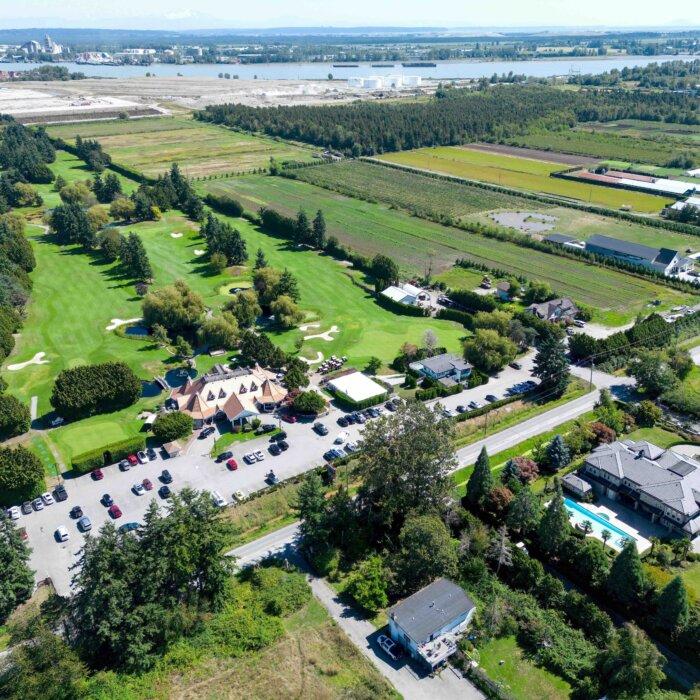
The other proposed representative plaintiff is John Doe, an unidentified property owner in Richmond, whose acreage is situated on the lands that were the focus of the Cowichan Tribe ruling.
The legal action asserts that members of the class purchased property under the impression that the government land title system is “sacrosanct.” It argues the government collected taxes and fees from property owners based on “inflated or misinformed property values,” leading them to invest in their properties under the false pretence of “stability and long-term value.”
The legal claim seeks compensation that could apply to all private property owners in B.C. and could include general damages for loss of property value and emotional suffering, as well as restitution or the return of taxes and fees collected under “misrepresented conditions.”
It is also asking the provincial and federal governments to admit their “conduct was unlawful and contrary to their duties of good faith and candour; a declaration requiring full disclosure of known risks affecting registered property in British Columbia.”
The governments being sued have yet to respond to the legal action, and the claims have not been tested in a court of law.
Case Before the Courts
The lawsuit leading up to the court’s ruling this past summer was originally filed by the Cowichan Tribes in 2019. The claims were opposed by the Musqueam and Tsawwassen First Nations, the federal and provincial governments, the City of Richmond, and the Vancouver Fraser Port Authority in a case that included a 513-day trial.Young granted aboriginal title to the Cowichan Nation on Aug. 7 for roughly 750 acres of mostly federal land that also includes 44 lots of private property, raising questions about the future of fee-simple titles for property owners.
The Cowichan Tribes has not pursued the invalidation of titles for privately held properties since the court’s ruling.
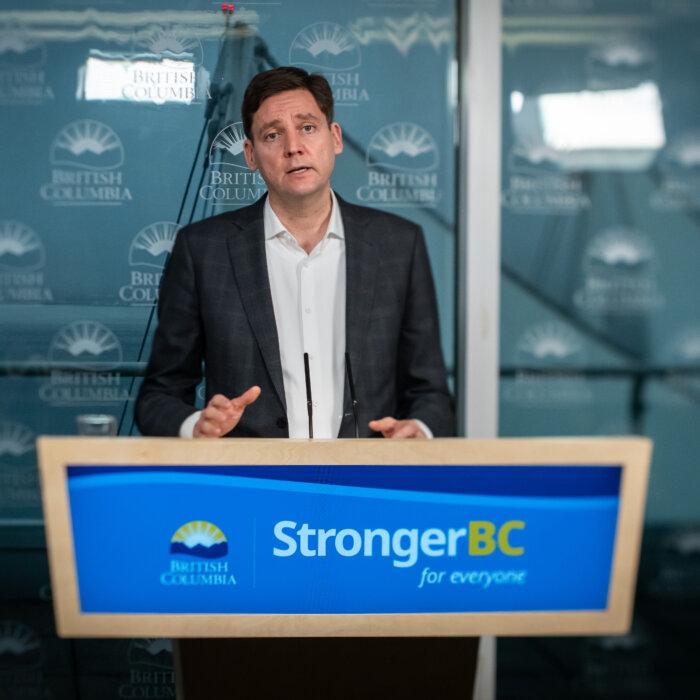
B.C. Premier David Eby has said that the Cowichan Tribes ruling has created uncertainty about how indigenous title relates to private property.
He previously said the province was told the case would not impact private landowners, who therefore were not notified to provide input in the Cowichan litigation.
The province and federal government are both appealing the Cowichan decision.
B.C. Attorney General Niki Sharma has said aboriginal and fee-simple titles “cannot co-exist” in their full forms. To that end, the government is seeking a judicial stay “to pause implementation until the appeal is resolved,” she said.
Eby has since said the province is working with all parties to get the case to court as quickly as possible. He said it’s important the appeal court is able to make a decision based on evidence, and on the implications for the entire region, including First Nations.