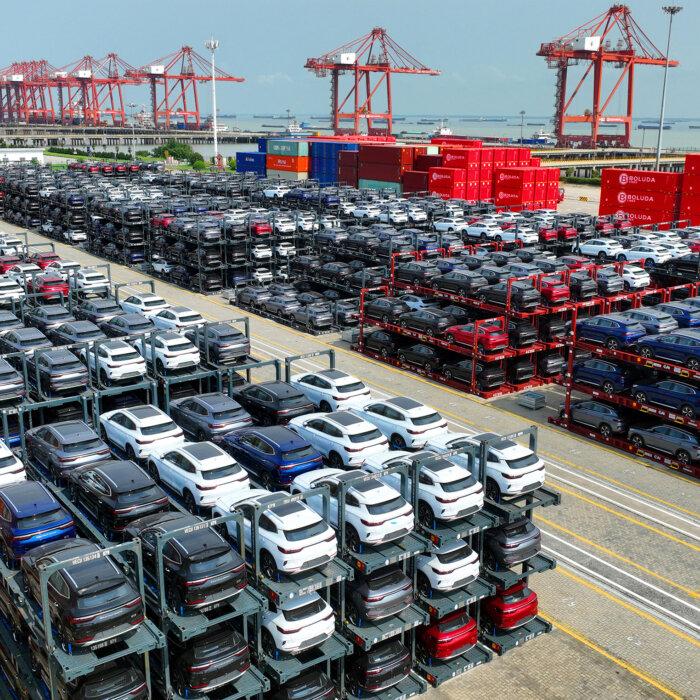
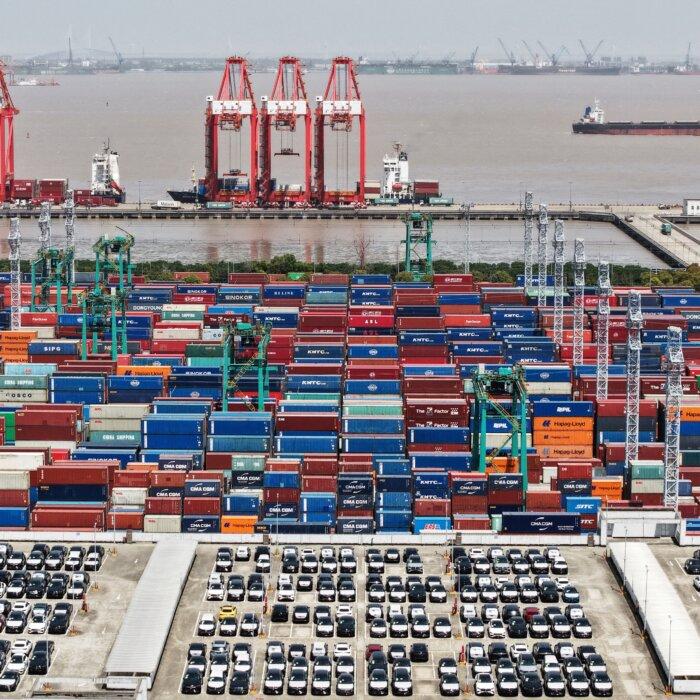
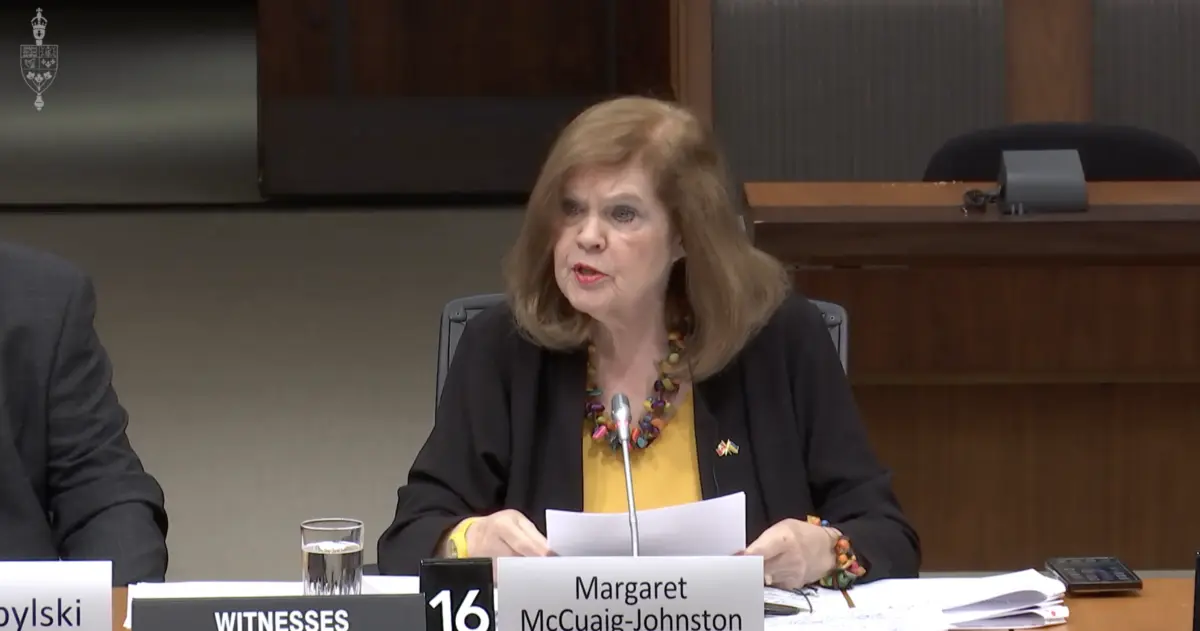
Chinese electric vehicles present risks for Canadians who are critical of Beijing, as the vehicles are capable of sending camera, microphone, and location data back to China, a former senior government official told MPs.
In addition to camera, microphone, and GPS data, the software is also capable of downloading the content of drivers’ phones, even when the car is turned off, she said, adding that the information is stored in China for both Chinese brands and Western brands manufactured there.
“This would not be a problem for a normal country, but China has shown malign intent toward us,” McCuaig-Johnston said. “Chinese companies are required to spy on behalf of Chinese intelligence services if requested.”
She said this issue is particularly concerning for critics of China.
“A lot of people might say, ‘well, I don’t care if somebody in China is looking at my things,’ but it’s a problem for people like me, who are critics of China,” McCuaig-Johnston said. “I certainly wouldn’t get into an Uber that was a Chinese car.”
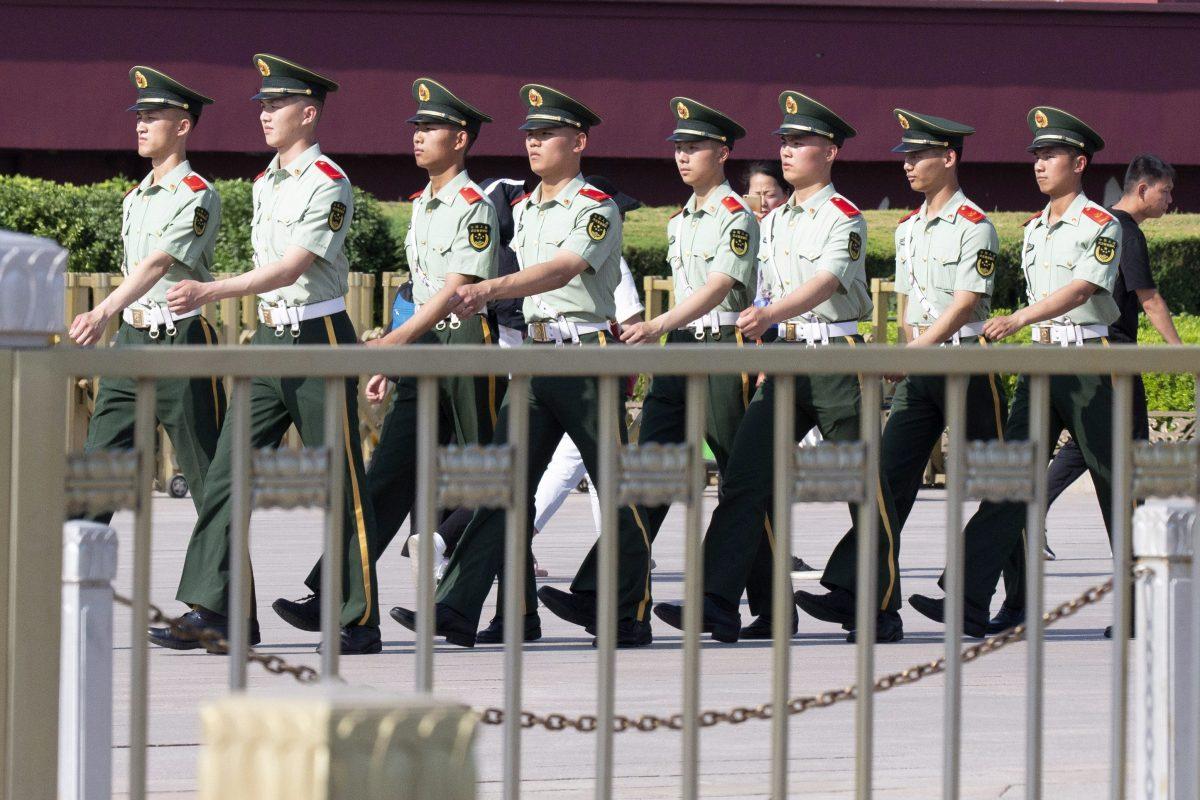
Transnational repression takes place when foreign states or their proxies reach beyond their borders to advance their interests or silence criticism or dissent through intimidation, threats, or violence. It can take various forms, including surveillance, vandalism, murder attempts, forced return by confiscation of passports, threats against relatives, and digital smear campaigns.
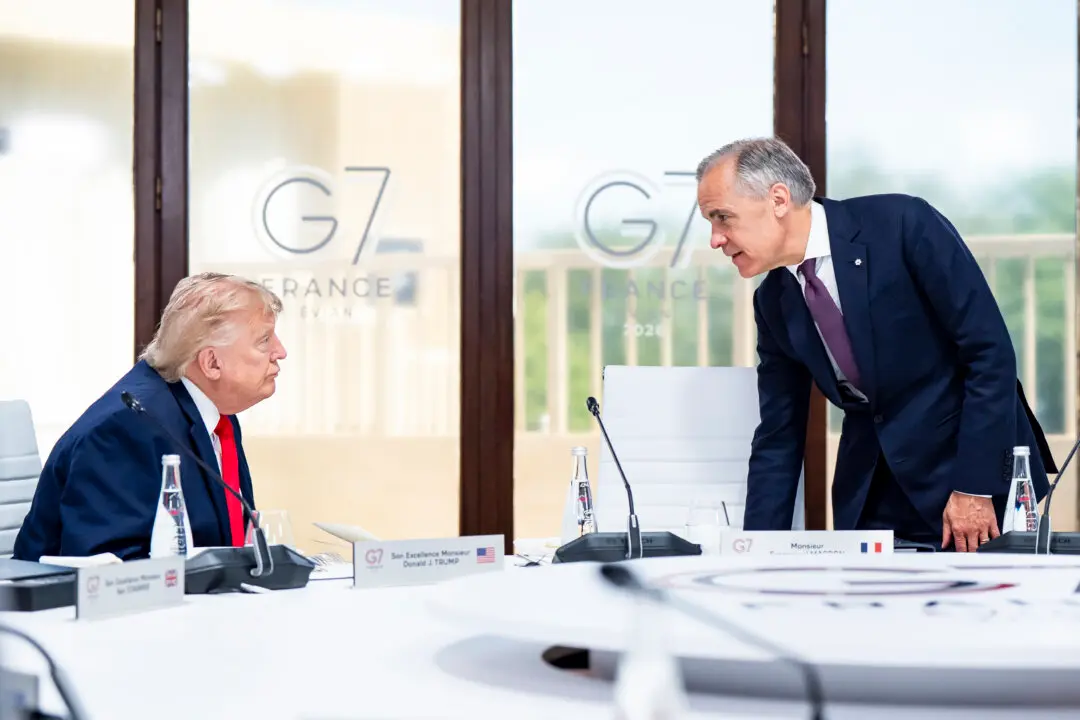
Carney has been seeking closer ties with China in an effort to diversify trade away from the United States. McCuaig-Johnston commended Carney’s efforts to diversify trade, but said Chinese electric vehicles pose a national security threat to Canada.
She told MPs that one way to address the issue of Beijing’s software in Chinese electric vehicles is to strip out the Baidu software when the cars arrive in Canada, and replace it with Blackberry’s QNX software, which she said is used by cars made in North America.
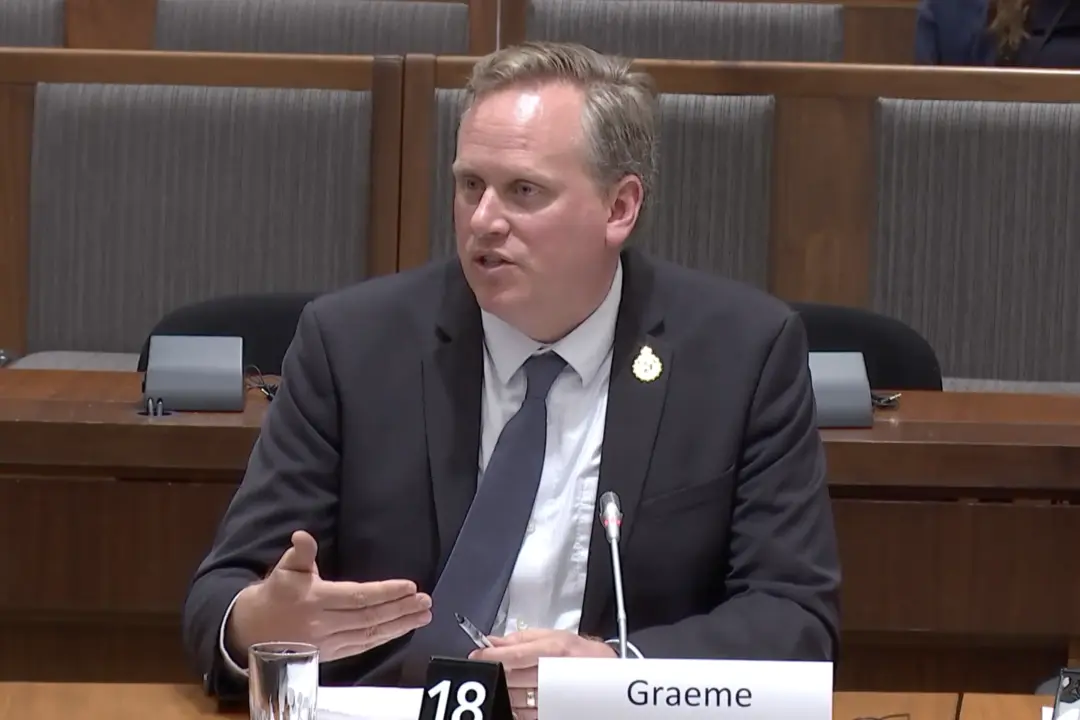
Garry Clement, former national director of the RCMP’s proceeds-of-crime program, also testified before the international trade committee on March 12 on Canada’s trade relations with China.
“Prosperity cannot come at the expense of national security,” he said.
Forced Labour
Meanwhile, McCuaig-Johnston said manufacturing Chinese vehicles in Canada could pose challenges, noting that “it’s not manufacturing as we know it.” She added that Chinese companies build “highly roboticized” assembly plants, “without the large number of unionized jobs we know in Ontario.”She added that Brazil’s government sued Chinese carmaker BYD for $10 million last year due to what it called “slave-like conditions” of the Chinese workers brought over to work in the company’s plant in Brazil. The Brazilian workers have also protested against low wages and poor working conditions at the plant, she said.
It found car companies including BYD, GM, Tesla, Toyota, and Volkswagen are “failing to minimize the risk of Uyghur forced labour being used in their aluminum supply chains.”
“Car companies simply don’t know the extent of their links to forced labor in Xinjiang in their aluminum supply chains,” Human Rights Watch senior researcher Jim Wormington said in a Feb. 1, 2024, statement.
Conservative MP David McKenzie asked McCuaig-Johnston how Canada could live up to its obligations under the USMCA if it is going to facilitate the importation of up to 49,000 Chinese electric vehicles.
“I don’t think we can ensure that they don’t have forced labour,” she responded. “Certainly, Chinese brands have to be assumed to include forced labour. We can’t take the word of the Chinese company that they don’t have any forced labour.”
She said Canada needs to uphold the provision in the USMCA on forced labour and require that China prove there is no forced labour involved.
Taking Action
McCuaig-Johnston said several countries have taken measures against Chinese EVs, including the United States, which has banned them from entering the country. While Chinese EVs are sold in Mexico, the country’s government prohibited BYD from building a plant there, she added.“Most other countries have forbidden them,” she said. “Other countries do not see this as a model that they want to follow. It’s really only in countries that are autocratic or failing democracies.”
Carney said during the 2025 election campaign that China is the number one security threat to Canada, and suggested that China does not share Canada’s values. Meanwhile, during his trip to China, he said that Ottawa and Beijing were in a “strategic partnership,” and that relations between the two countries had entered a “new era.”
Clement told MPs that Ottawa needs to have safeguards in place when doing business with Beijing, and “go in with our eyes wide open.” To increase vigilance in dealing with China, he said, Canada needs to implement its foreign influence registry, question the Chinese Embassy on the number of individuals it has stationed in Canada, show zero tolerance for secret Chinese police stations in Canada, and recognize Beijing’s actions to suppress dissidents abroad.