Aqueous zinc-iodine batteries, which use water to move the battery’s internal charges, are considered safer, more sustainable and more cost-effective for grid-scale energy storage than lithium-ion batteries.
However, there is a downside: it suffers from performance issues.
To address this problem, researchers have replaced the traditional wet-mixing method of iodine.
He said energy storage providers will gain lower-cost, safer, and long-lasting batteries.
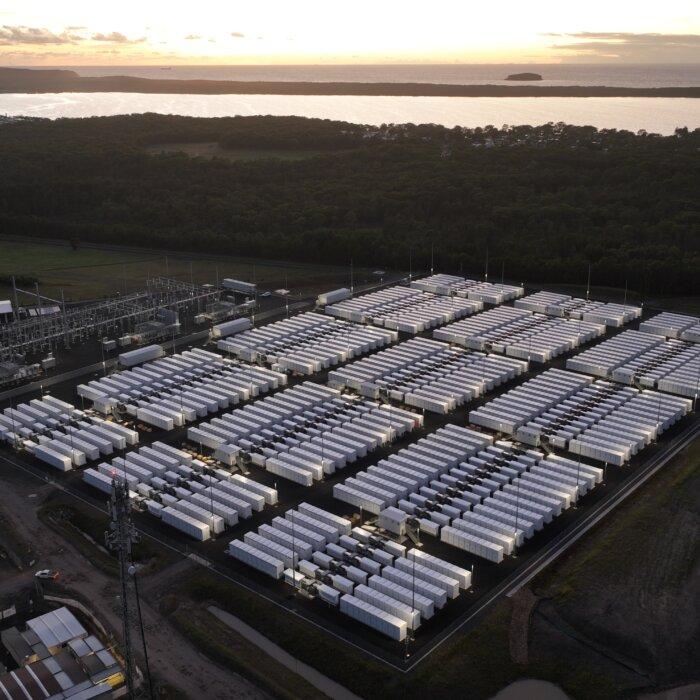
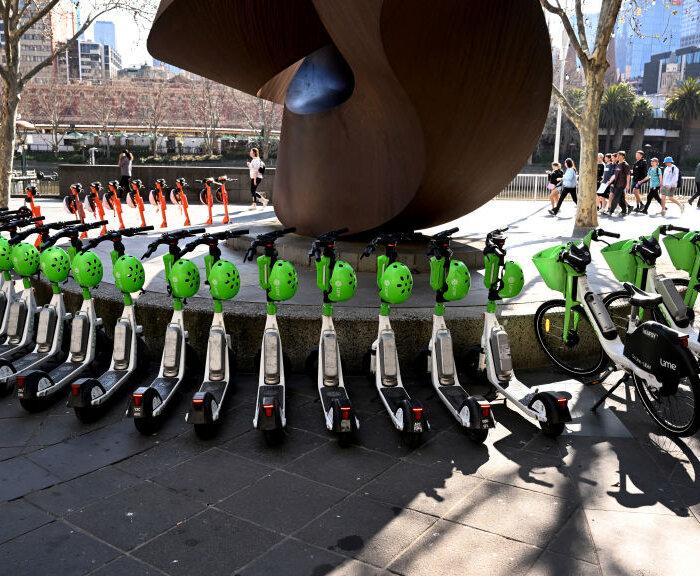
Qiao also believes the new technology will be especially beneficial for renewable integration and grid balancing.
Improving the Battery
Past zinc-iodine systems also faced significant discharge and poor energy density due to low amounts of active material.But Study author Han Wu said batteries made with the new technique have a “record-high” level of active material.
Additionally, they continued to hold significant capacity even after multiple charges.
“After charging the pouch cells we made that use the new electrodes, they retained 88.6 percent of their capacity after 750 cycles and coin cells [button batteries] kept nearly 99.8 percent capacity after 500 cycles,” Wu said.
Preserving Iodine and Zinc
To minimise iodine dissolving, which degrades battery performance, the researchers incorporated a network of synthetic molecules with non-stick properties, keeping the element separated as much as possible.In an email to The Epoch Times, Wu said high iodine loading enables greater energy output, reducing the need for bulky or heavy inactive components. High iodine loading also helps to lower material costs.
Building the Battery
Powdered materials are rolled into thick and self-supporting electrodes with a dense and solvent-free structure. This helps stop water from getting in and breaking things down.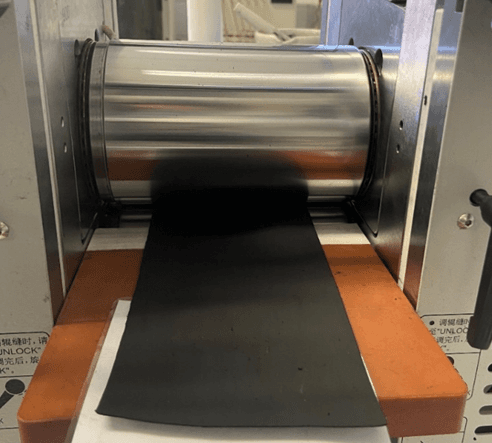
The main parts use thermally stable materials and the absence of volatile binders or solvents further enhances consistency under varied temperatures.
“Under typical conditions below 100 °C, the electrode maintains its structural integrity without significant deformation or degradation,” Wu said.
A unique feature of the batteries is that even if the zinc-iodide dissolves into the electrolyte, it can still participate in reactions, so the battery doesn’t lose power over time.
Further testing of other halogen chemistries such as bromine systems is also forthcoming.