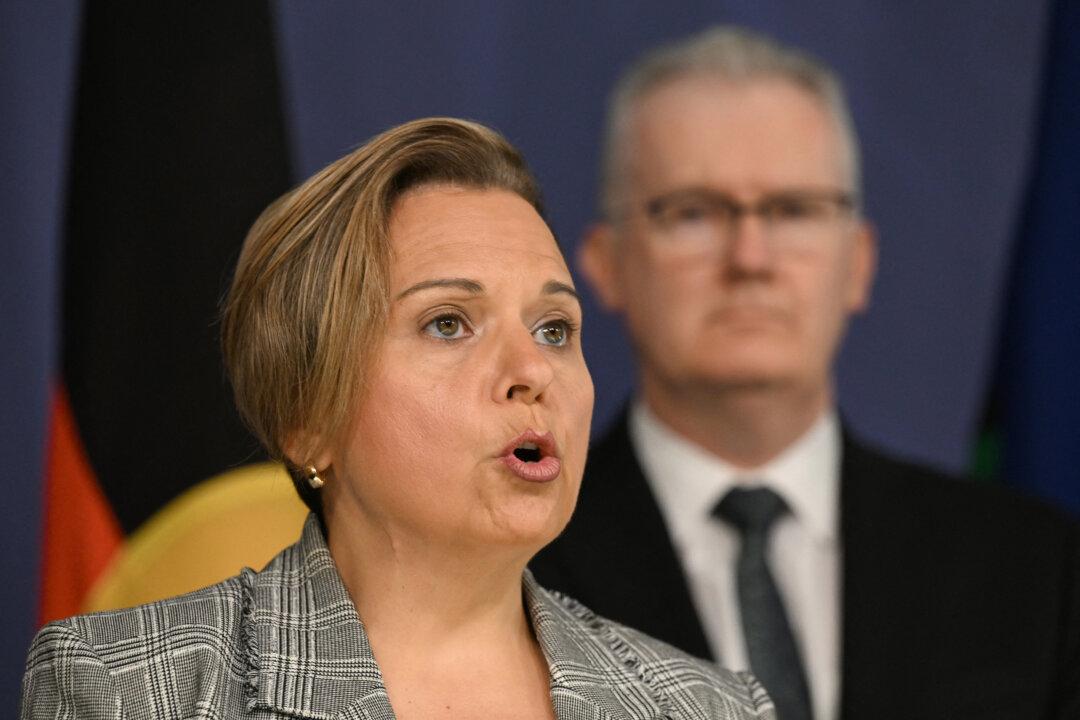
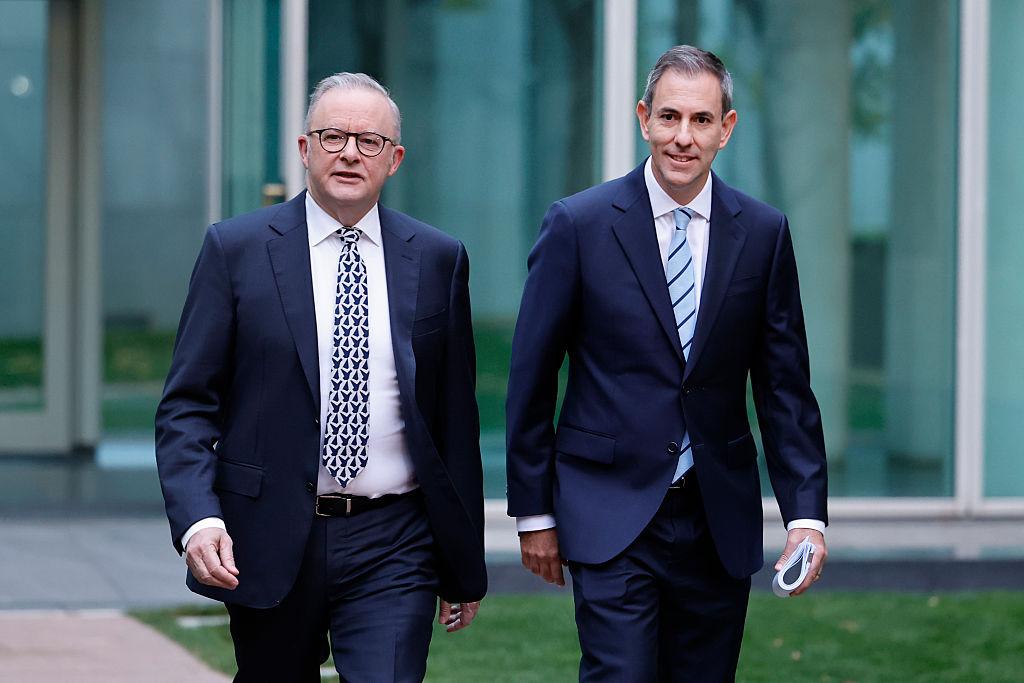
Treasurer Jim Chalmers has revealed new details about the upcoming national productivity roundtable, a three-day event scheduled for August, aimed at tackling Australia’s lagging productivity and building consensus on key economic reforms.
Chalmers said the first day of the roundtable will centre on productivity, while the second will shift focus to sustainability.
The final day will open with Reserve Bank of Australia (RBA) Governor Michelle Bullock setting the tone and framing the day’s discussions.
“I am really encouraged and really optimistic that people will bring to the reform roundtable good, constructive ideas for how we build on the agenda the government is already rolling out, build on the progress that we’ve made together in our economy, and build consensus about the next steps forward as well,” Chalmers said.
O’Brien Seeks Substance Over Spin
Shadow Treasurer Ted O’Brien earlier confirmed his attendance, warning the Coalition won’t offer blanket support.“The Coalition will be constructive where we can and critical where we must, and I will engage in a business-like fashion,” he said in June.

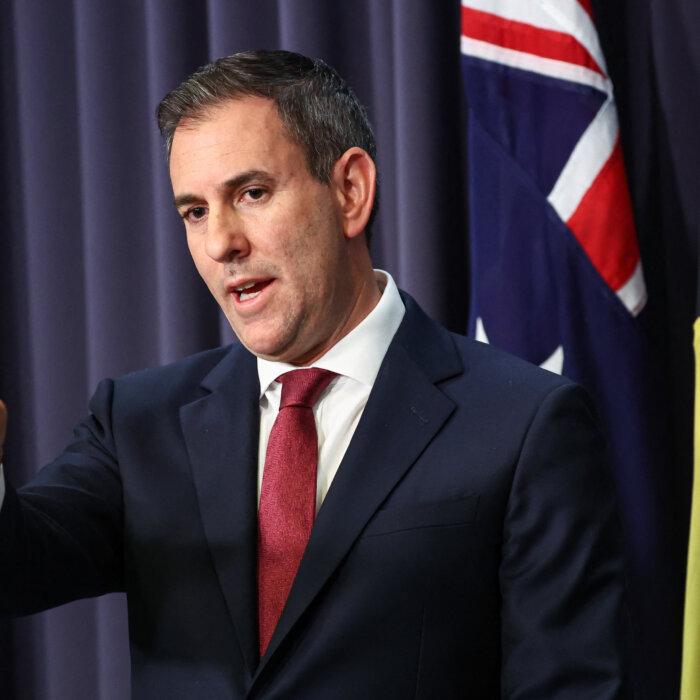
O’Brien called for transparency and outcomes
Productivity Decline Fuels Reform Urgency
Recent analysis from the RBA highlights why reform is urgently needed.From the 1990s to the mid-2000s, productivity growth averaged 2.1 percent, supported by deregulation, pro-competition reforms, and the uptake of digital technologies.
However, the 2010s saw a sharp slowdown, with average productivity growth declining to just 1.2 percent.
The report pointed to widespread declining competition, regulatory complexity, and stalled reform efforts as key drivers.
While local factors are at play, the OECD notes that the slowdown is global, indicating broader structural challenges across advanced economies.
Meanwhile, the Business Council of Australia says lifting Australia’s poor productivity requires greater investment in research and development, improved tax incentives, and stronger industry-university collaboration.
“Supercharging research and development investment in Australia presents a significant opportunity for business and the government to lift productivity and raise living standards for all Australians,” CEO Bran Black said.
“We need a new approach to R&D that starts with incentivising businesses to invest more, otherwise investment opportunities will go overseas, and we will fall further behind.”