Australians are showing a renewed reliance on cash for everyday transactions, defying predictions of a cashless economy.
New findings from the Reserve Bank of Australia’s (RBA) 2025 Consumer Payments Survey showed cash use was on the rise across the country.
“In value terms, the share of payments made in cash was little changed, at around 8 percent. A higher share of in-person payments, 19 percent by number and 16 percent by value, were made in cash.”
The RBA survey also revealed 50 percent of Australians still made some kind of cash transaction each week and a third would face hardship and inconvenience if cash was not available.
Furthermore, over “three-quarters of Australians” kept cash on hand in case electronic payment methods were unavailable, while 1.5 million adults relied “mainly on cash.”
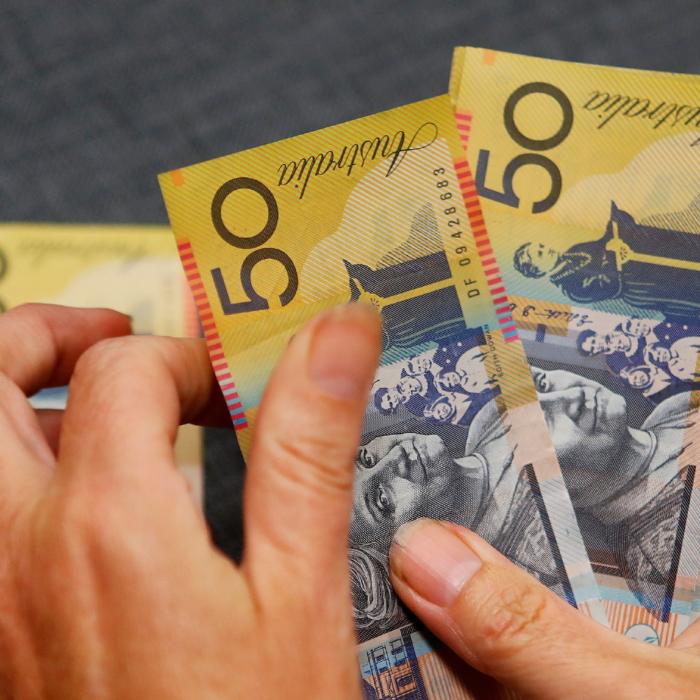
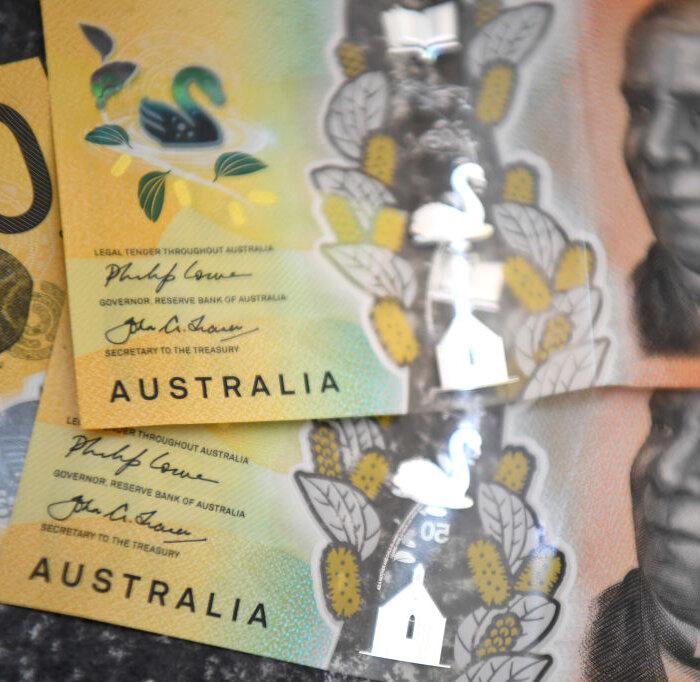
“These high cash users–defined as those who used cash for at least 80 percent of their transactions–made up around 7 percent of respondents, which was about the same as in 2022,” the RBA said.
Regarding small transactions, cash was used in roughly one in four transactions under $10 (US$7.2) in 2025, down from a majority of in-person payments at that level in 2007.
Amid the rise of digital payment methods across the economy, one area remained a notable exception.
“Australians have consistently used cash more frequently to pay for leisure–such as going to the cinema or local community events–than for most other types of spending, even as overall cash use has declined in the past 20 years,” the RBA said.
The Demographics of Cash Users
According to the RBA, while Australians across every single demographic group used some form of cash to make payments, high cash users were more likely to be older with lower household incomes.About 10 percent of people over 65 used cash for for all their transactions.
“Regional respondents were a little more likely to use cash than those living in capital cities, but the difference is smaller than it was in the 2010s,” the RBA found.
The central bank stated that maintaining reasonable access to withdrawal and deposit services was important for Australians who wanted or needed to use cash. However, it acknowledged that access to cash had become less convenient than it was three years ago.
Questions About Federal Government’s ‘Cash Mandate’
The RBA also noted that the Labor government has taken steps to support cash usage, including recent policies mandating that grocery stores and petrol stations accept cash in January 2026.“This policy aims to support Australians who want or need to purchase essential items with cash,” the RBA said.
However, Nationals Senator Bridget McKenzie has criticised the limited scope of the cash mandate.
This policy does not apply across all types of businesses and there is also an exemption for small businesses with a turnover less than $10 million.
In a social media post, she pointed out that cash could be used to buy a packet of candy at a supermarket, but not Panadol at a pharmacy or coffee at Parliament House.
“It’s time the government stopped treating Australians who want to use cash as second class citizens.”
However, at the time of delivering the mandate Treasurer Jim Chalmers argued Australians would be able to continue to pay with cash for essentials.