There is tension in the air as MPs are set to return to Ottawa to begin a new sitting of the House of Commons.
It was by no means a quiet break as Parliament shut down for the holidays, with local and international events giving wind to some controversies and creating new friction points between the Liberal government and opposition parties.
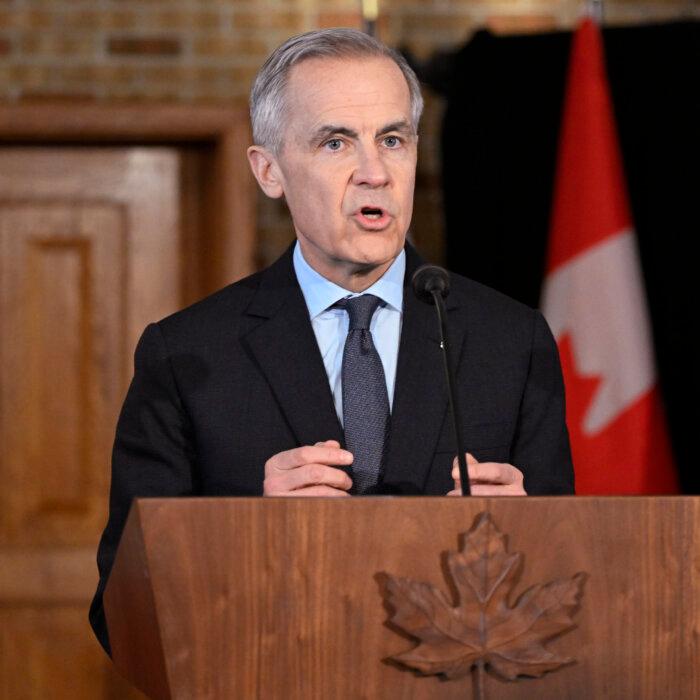
Some of the domestic momentum stems from Prime Minister Mark Carney delivering two key political speeches in recent days, stirring speculation about potential electoral designs.
One of the speeches focusing on foreign policy was delivered to government and business leaders attending the World Economic Forum in Davos, Switzerland, on Jan. 20. The other was pronounced from the Citadelle of Quebec on Jan. 22 and was geared towards a domestic audience.
Trump appeared to take Carney’s speech as more than “noise,” rescinding on Jan. 22 his invitation to Carney to join his newly formed “Board of Peace.”
Re-creating Conditions
The tension between Carney and Trump, coupled with the U.S. president’s recent messaging about needing to acquire Greenland, has re-created some of the conditions of 2025 that allowed the Liberals to avoid electoral obliteration and form a strong minority government. While in recent months affordability concerns had climbed back to the surface as the top-of-mind issue for Canadians, worries about Trump have made a comeback, according to some polling.These developments are taking place after the Liberals made efforts in recent months to achieve a majority in the House of Commons by poaching opposition MPs. These efforts had mixed results, with two Tory MPs joining their ranks in late 2025, while several other MPs from different parties publicly rejected their offers.
The pursuit of a higher seat count was impacted by the resignation of Liberal MP Chrystia Freeland.
Freeland, once holder of the two most powerful portfolios after the prime minister, officially resigned her House of Commons seat on Jan. 9. This was after she had stepped down from cabinet in September 2025, and later accepted a role as an economic adviser for Ukrainian President Volodymyr Zelenskyy.
Liberals now have 170 House seats, two shy of a majority. The party announced on Jan. 23 having had its best fundraising year ever in 2025 with over $29 million collected. “That momentum is helping grow our party, and ensuring we’re ready to win, whenever the next election arrives,” said national party director Azam Ishmael.
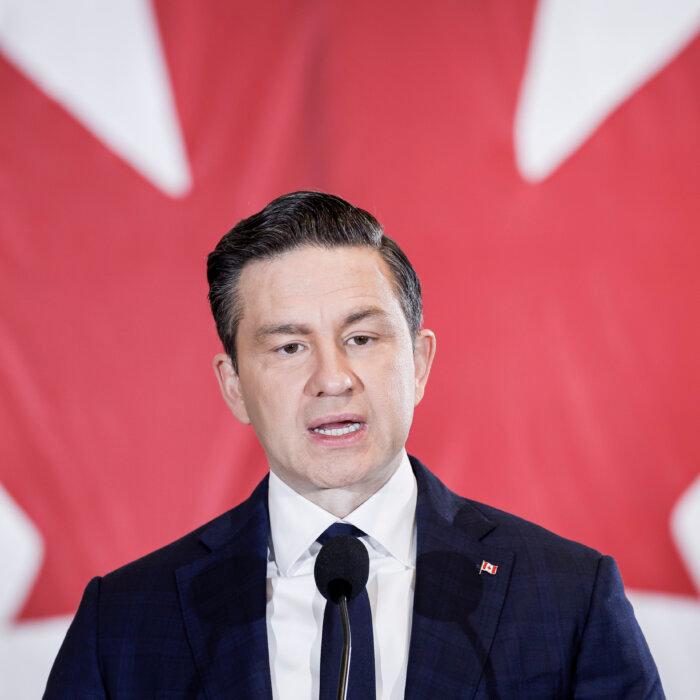
As Liberals chart a path to address their minority situation, the next few weeks will be crucial for the other political parties as well, starting with the Conservative convention at the end of the month. Tory MPs decided to adopt the Reform Act after the defeat in the last election, which triggered the leadership review of Pierre Poilievre set to take place.
Conservatives will also likely examine how they can access a larger voter pool and capture votes among the baby boomers, given this is currently one of their weak points and a Liberal strength. Tories have a solid lead on other parties in support among the 18-29 age group, according to recent polls.
Clash on History
The Bloc Québécois will have its attention split as the race beings to replace Quebec Premier François Legault, followed by the provincial election planned for October.The Bloc may also try to bank on Carney’s speech in Quebec City, which was focused on national unity and defending Canadian values of “inclusion and equity.”
Carney’s choice of words to describe historical events, and the setting on the Plains of Abraham where the decisive battle between the British and the French forces took place in 1759, was not well received by the separatist federal Bloc and provincial Parti Québécois (PQ).
Carney said Canada had not chosen in the end the “usual scenario of conquest” in its march through history, something unacceptable for Quebecers who say their potential is still being stifled by Ottawa.
It’s also ammunition for the Bloc, which lost ground to the Liberals in the province during the last election, if there’s an early rematch coming.