Prime Minister Mark Carney and Alberta Premier Danielle Smith say they expect the U.S. administration to “respect Canadian sovereignty” amid reports of Alberta independence advocates meeting with U.S. officials.
“I will raise that with my delegate in Washington, so he can raise it with members of the administration, and I will raise it with my delegate in Ottawa, so he can raise it with the U.S. ambassador,” Smith said.
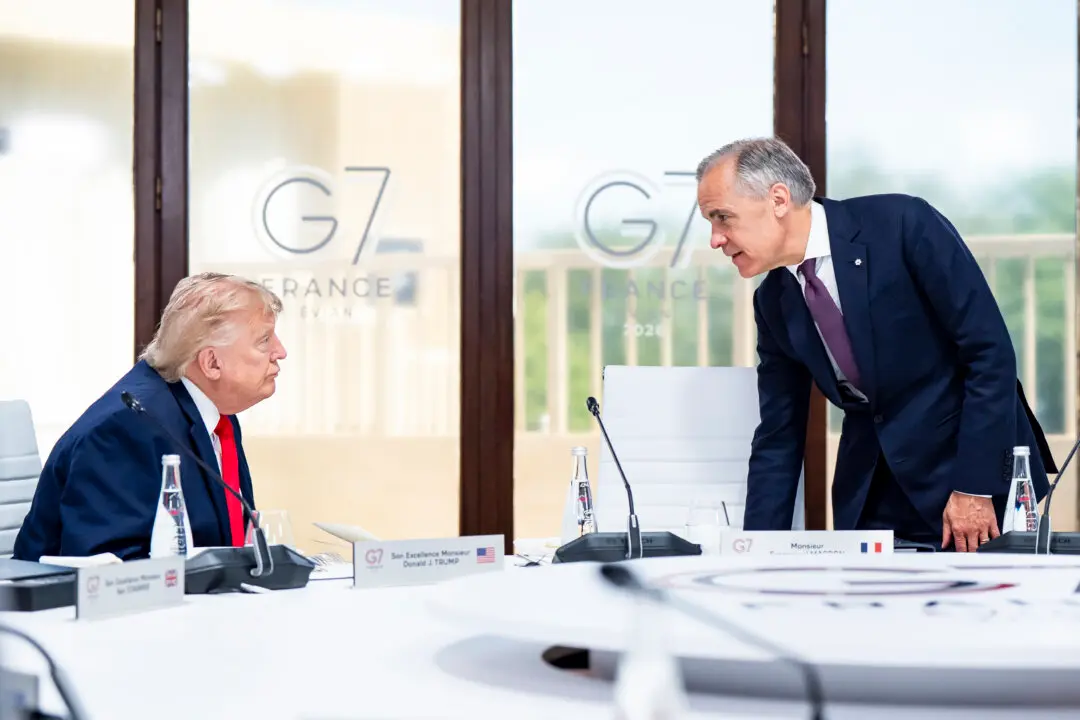
Carney avoided commenting on the issue at first, but when asked again after Smith commented, he said, “I fully associate myself with Premier Smith’s comments just then. We expect the U.S. administration to respect Canadian sovereignty.”
“I’m always clear in my conversation with President Trump to that effect, and then move on to what we can do together,” Carney added.
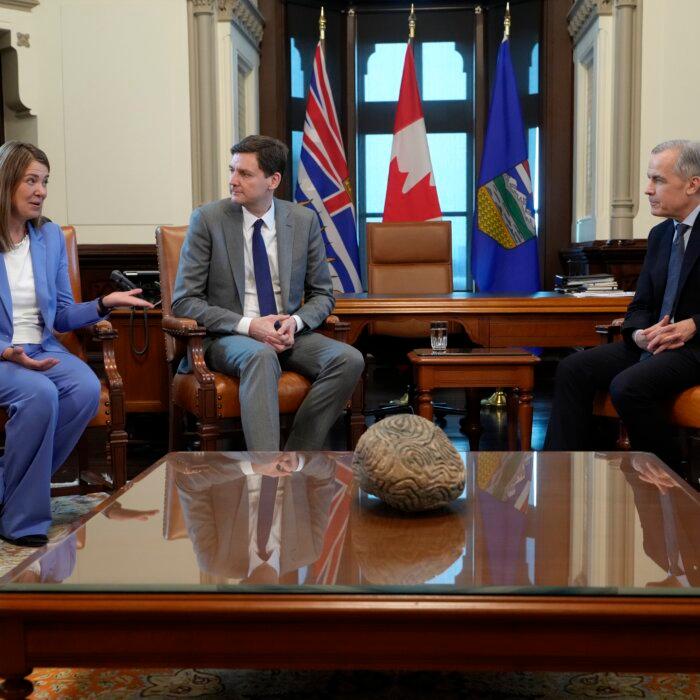
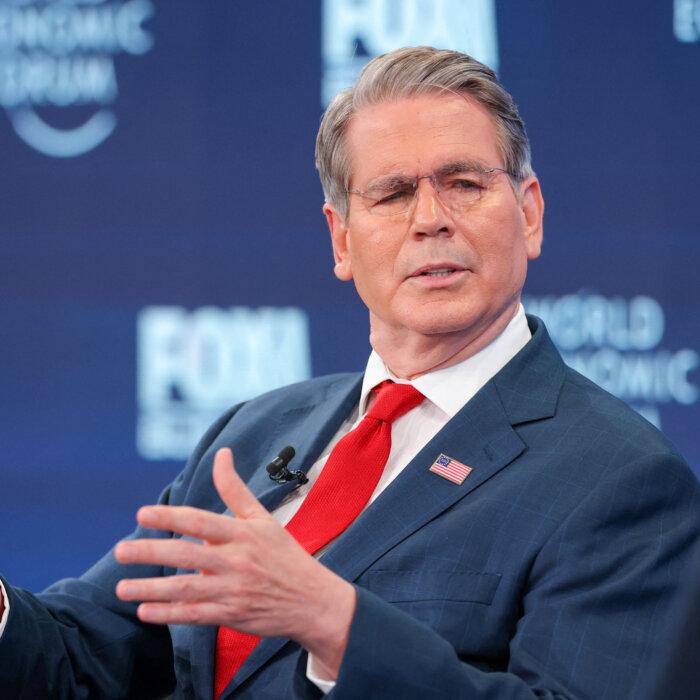
B.C. Premier David Eby commented on the matter ahead of the first ministers meeting on Jan. 29, telling reporters the meetings between independence advocates and White House officials amounts to “treason.”
“I understand the desire to hold a referendum to talk about the issues you want to talk about in Canada ... but to go to a foreign country and to ask for assistance in breaking up Canada, there’s an old-fashioned word for that, and that word is treason,” Eby said, adding that he would raise the issue at the first ministers meeting later that day.
Ontario Premier Doug Ford also commented on the matter, saying it is “unacceptable” to go “behind Canada’s back” and negotiate with the United States. However, he said he didn’t know if it could be called “treason.”
“We shouldn’t have groups going around the federal government’s back or the province’s back to negotiate something with the U.S.,” Ford said.
“I don’t know about treason. It’s unacceptable, it’s unethical,” he added.
The Code also says treason is when someone “conspires with any person to commit high treason,” which it describes as killing, attempting to kill, or harming a monarch, levying war against Canada, or assisting an enemy at war with Canada.
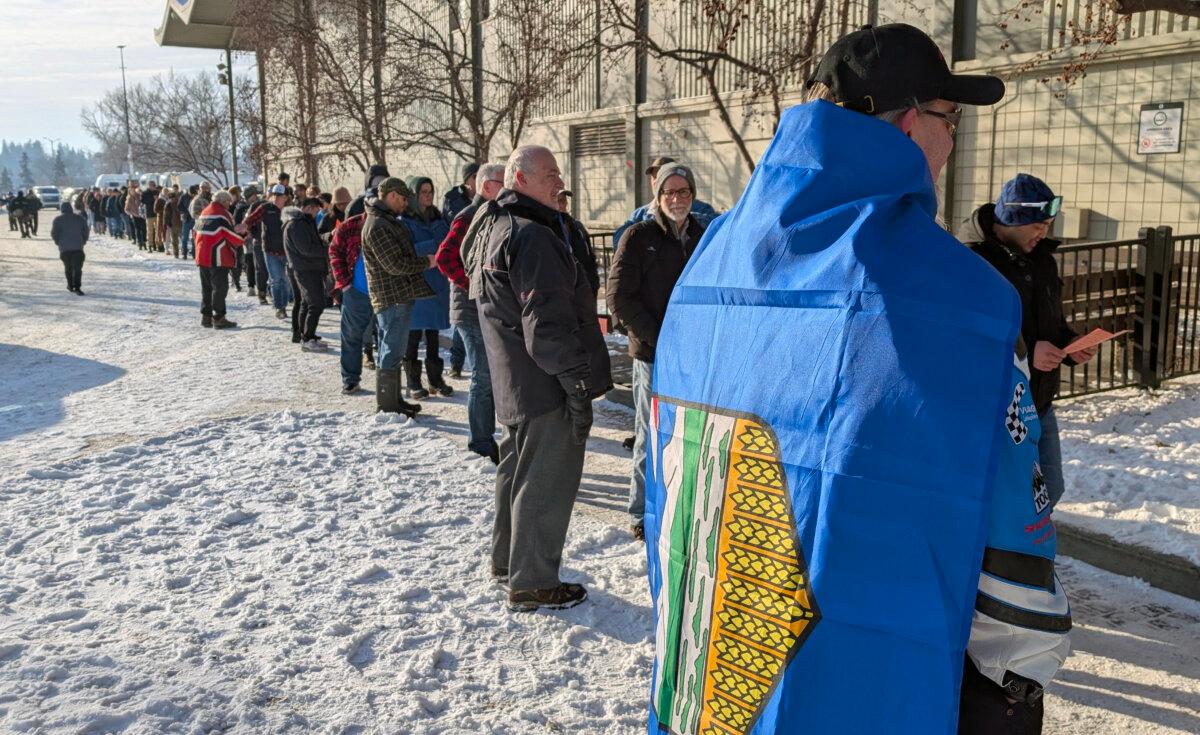
Independence Rallies
The discussion of the Alberta independence group’s meetings also comes amid rallies and petitions across Alberta in support of Alberta separation. Thousands of Albertans have been lining up in various locations across the province to add their names to a petition submitted to Elections Alberta by Alberta Prosperity Project, which calls for a referendum on separating from Canada.The project’s CEO Mitch Sylvestre has previously said that a referendum is needed because of Ottawa’s regulations restricting oil and gas development in Alberta, as well as the province’s low chances of seeing a significant change at the federal level that aligns with its interests.
Smith told reporters on Jan. 29 that she has “always been clear that me and our United Conservative caucus are supportive of a strong and sovereign Alberta within a united Canada.” She said Canada needs to “give Albertans hope” and show them that “Canada can work.”
Carney has said he “understands the frustrations” in Alberta when it comes to the issue of resource development, but that Canada is stronger when it’s united.