U.S. tariffs on certain Canadian sectors will likely remain in place even with a re-negotiated United States-Mexico-Canada Agreement (USMCA) in 2026, Prime Minister Mark Carney says.
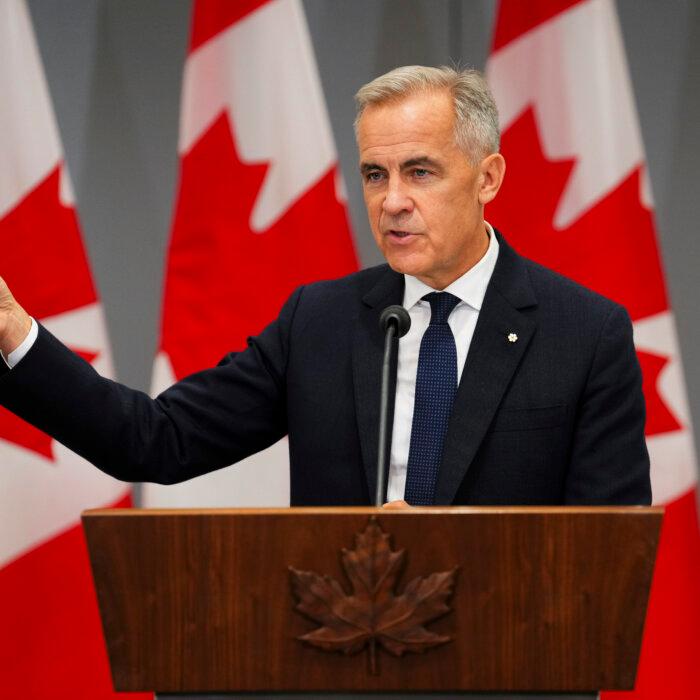
Carney made the comments at an Oct. 10 press conference, saying approximately 85 percent of trade with the United States remains tariff-free, and “one of the possibilities” is that this would continue under a revised USMCA deal.
“But what’s also very clear is that there are certain sectors—steel, aluminum, autos, forest products, pharmaceuticals—the Americans have decided are strategic, and they have trade actions against everybody in the world,” Carney said.
The prime minister said Canada is negotiating “specific sectoral deals” with the United States, and these would “likely persist” with a revised USMCA deal.
Carney said Trump had “expressed his preference” for specific sectoral deals. “It means that this is not... one simple trade deal which will resolve all the issues,” he said.
The White House has placed a wide range of tariffs on Canada since earlier this year, including 50 percent tariffs on steel, aluminum, and copper, 25 percent tariffs on vehicles and auto parts, and 10 percent tariffs on oil and potash. The United States will soon implement additional 100 percent tariffs on pharmaceuticals, 50 percent tariffs on kitchen cabinets, bathroom vanities, and associated products, 25 percent tariffs on heavy trucks, and 10 percent tariffs on lumber.
The country also placed 25 percent tariffs on Canadian exports not covered under the USMCA, which were increased to 35 percent in August.
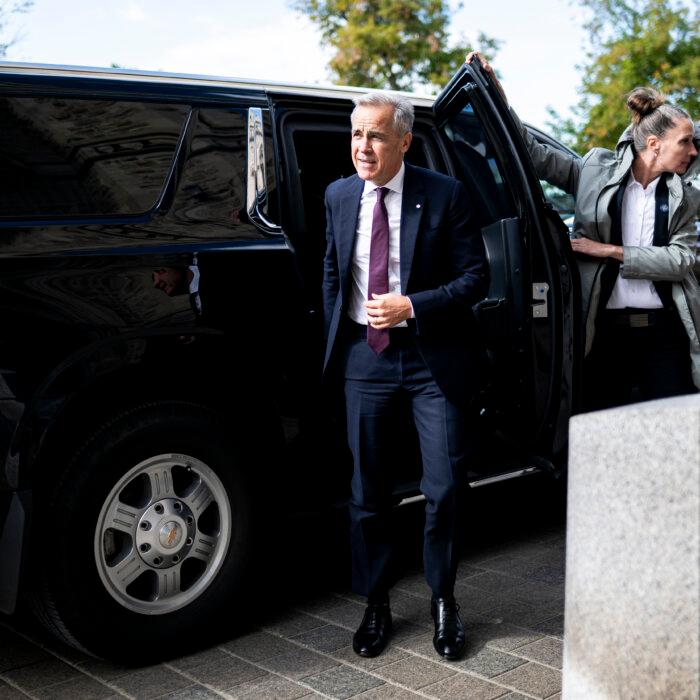
Carney visited the White House on Oct. 7 to meet with U.S. President Donald Trump to discuss trade, among other topics. At the beginning of the meeting, Trump said the two would “do some things that are good for both of our countries and markets.”
However, Trump said it would be more difficult for Canada to make a deal than other countries because of its close proximity to the United States, which he called a “natural business conflict.”
Carney left the White House without making any announcements on tariff relief. The prime minister’s office said the two leaders had directed officials to reach deals on steel, aluminum, and energy in the coming weeks.
Canada-U.S. Trade Minister Dominic LeBlanc, who accompanied Carney on the trip to Washington, told reporters on Oct. 7 he was “very happy” with how the discussions with the United States had gone, and said there is “momentum” growing, but that “the work continues” in reaching a final bilateral agreement.
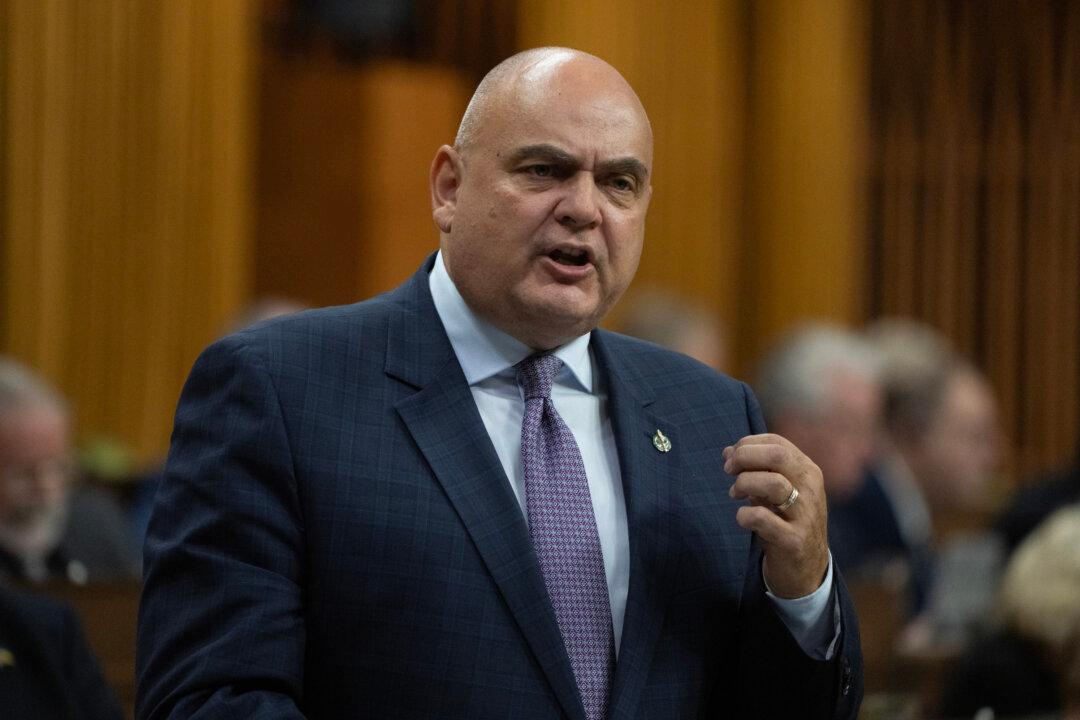
Conservative Leader Pierre Poilievre was critical of Carney in the House of Commons on Oct. 8 for not securing a deal, while at the same time promising $1 trillion in investments in the United States. During his meeting the previous day, Carney said Canada was the largest foreign investor in the United States and had spent half a trillion dollars in the last five years, and was prepared to invest $1 trillion in the country over the next five years if Ottawa reached the trade deal it expected.“He made a massive trillion dollar concession before the deal was even signed and without getting anything in return,” Polievre said, adding that the large investment would “sell out” Canadian workers.