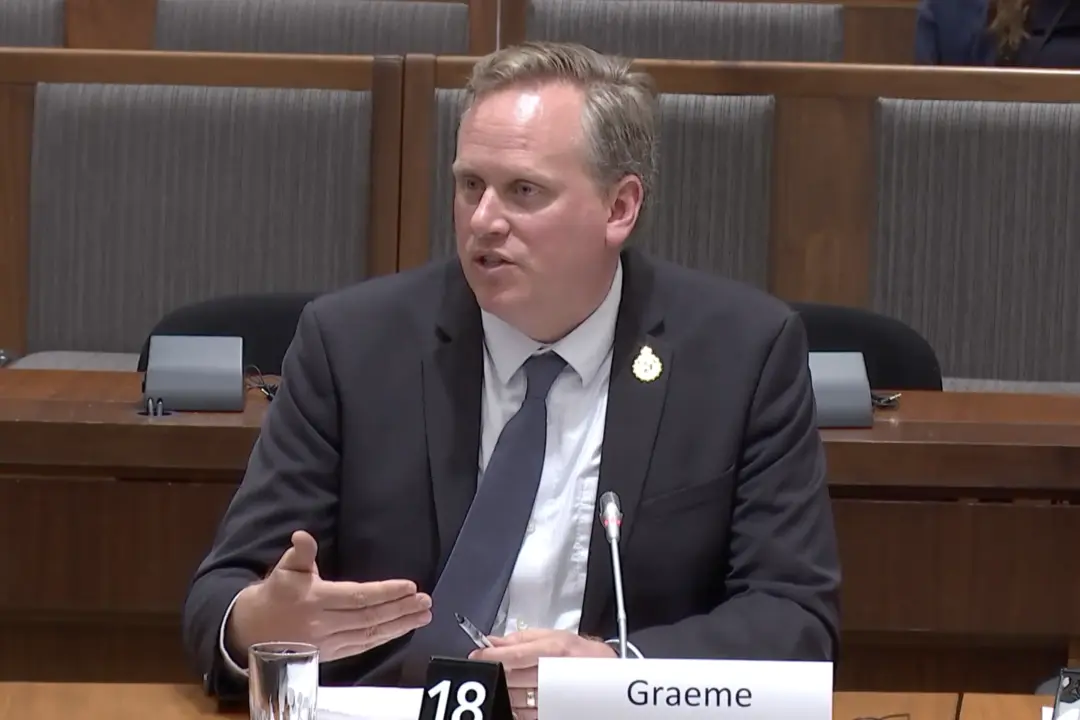
Prime Minister Mark Carney has announced a plan to double Canada’s electricity grid by 2050, which he says will lower energy costs for 70 percent of Canadian households.
“Canada will double its electricity generation over the course of the next two decades, because the path to affordability is electrification, the path to competitiveness is electrification, the path to net-zero is electrification,” Carney said, adding that many goods such as cars, heaters, and factory machines, are switching to electric power.
He said the federal government will work with provinces, territories, indigenous peoples, and utilities unions over the next few months to identify how to execute the plan “most effectively and affordably.”
Carney noted doubling Canada’s electricity generation will require “massive investments,” with estimated costs at more than $1 trillion from now until 2050.
The plan is also expected to generate nearly 30,000 jobs by the end of 2028 and 100,000 more by 2050, Ottawa said.
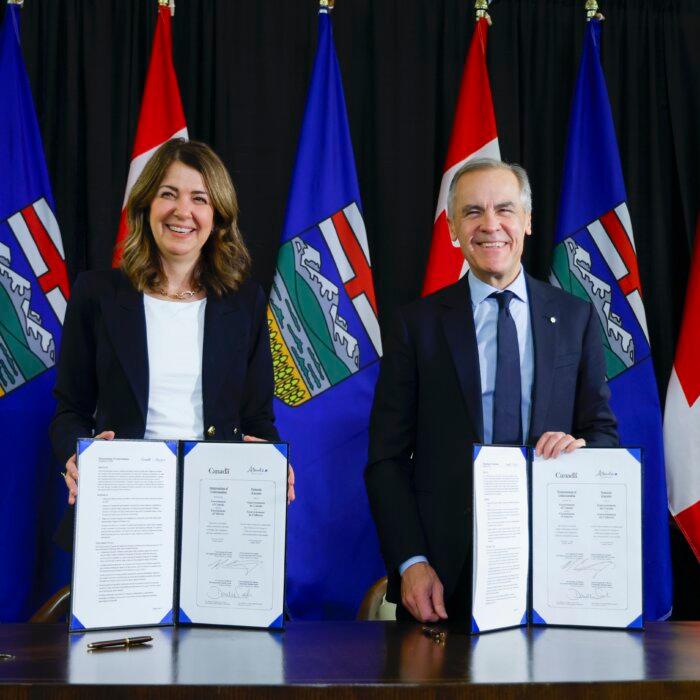
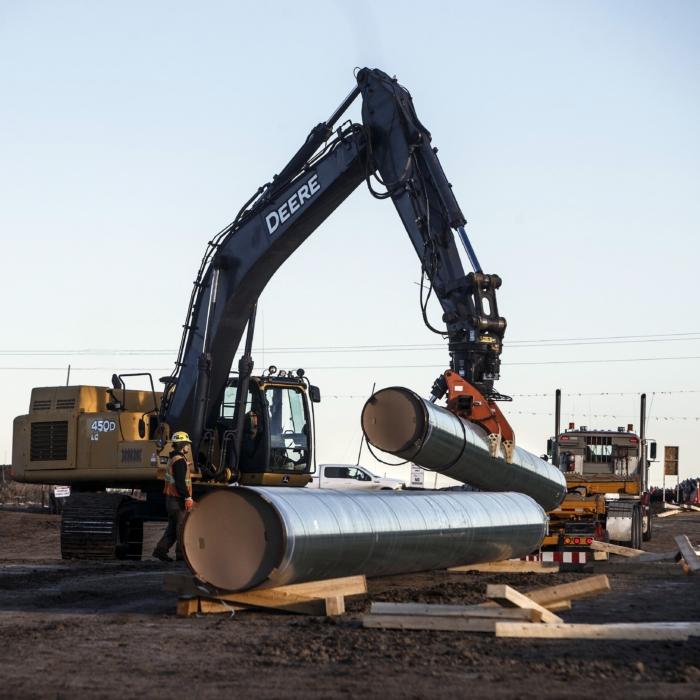
The strategy comes as electricity demand is increasing in areas such as critical minerals development, AI data centres, and advanced manufacturing.
It also comes as the Carney government seeks to accelerate major projects including hydroelectric, nuclear generation, electricity transmission, and wind projects, which are expected to add millions of megawatts to Canada’s electricity grid.
The strategy contains four pillars, including to build the infrastructure needed to double electricity generation; to connect Canada’s “fragmented” electricity grids through new and expanded transmission lines; to train, attract and retain workers to build the grid; and to make more of the technology and components that will power the new grid in Canada, such as smart meters, transformers, wind towers, and AI systems.
Carney said many northern and remote communities are not connected to the broader Canadian grid, “resulting in energy bills that are six to 10 times higher than the national average.”
The government will also expand energy-saving retrofits for up to 1 million Canadian households through a combination of loans, grants, and “other complementary measures” to make it easier to transition propane, oil, and electric baseboard heating to electric heat pumps, Carney said.
The new electricity strategy says the adjustments to the regulations will maintain the net-zero by 2050 goal, while providing “greater flexibility” for provinces and territories to offset residual emissions elsewhere.
‘Illusion’
Conservative Leader Pierre Poilievre criticized Carney’s announcement, saying the prime minister “reannounced the same Liberal policies that hiked prices and cut production over the last decade.” He called the announcement an “illusion.”“Promises of doubling production and cutting costs are the opposite of what these Liberal policies have done. With Mark Carney, it’s more cost, more delays, more talk, more promises,” Poilievre said in a May 14 statement.
He argued rising electricity costs and reduced production results from the industrial carbon tax on natural gas power plants and the Impact Assessment Act, which he describes as an “anti-development law” that slows permits for electricity generation and transmission lines.
Conservatives would eliminate the industrial carbon tax, scrap the Impact Assessment Act to speed up power plant approvals, and allow provinces to approve projects without “federal interference or red tape,” Poilievre said.