Prime Minister Mark Carney says the federal government is set to announce investments in Canadian ports that could be used to ship Liquid Natural Gas (LNG) to other countries, including investments in Manitoba’s Port of Churchill.
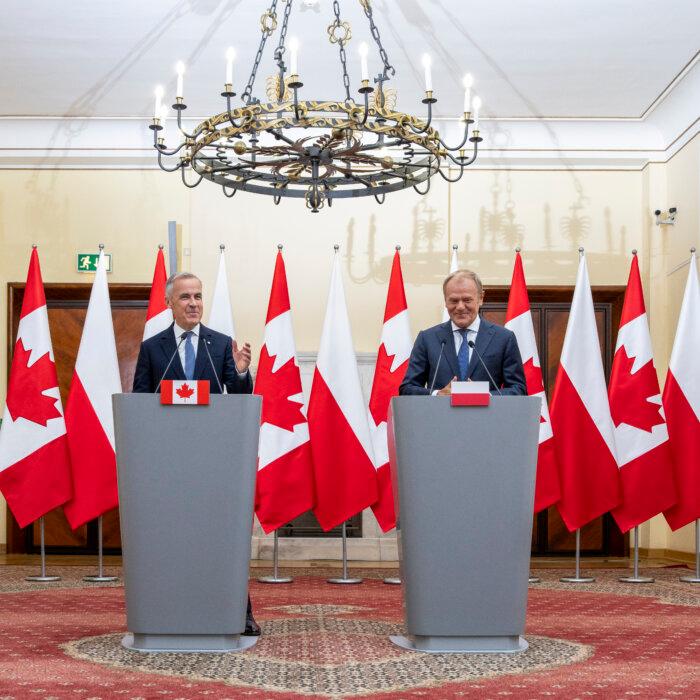
“Our government is in the process of unleashing half a trillion dollars of investment in energy infrastructure, port infrastructure … the first of which we will be formally announcing in the next two weeks,” Carney told reporters while visiting Germany on Aug. 26.
The prime minister said there are near-term opportunities relating to exporting critical minerals and metals to European countries, as well as “medium-term opportunities” to export energy products like LNG and hydrogen. Carney said Ottawa will be “reinforcing and building on” a new port in the northern Manitoba town of Churchill, which would “open up enormous LNG, plus other opportunities, and other East Coast ports for those critical metals and minerals.”
Parliament recently passed Bill C-5, also known as the One Canadian Economy Act, which intends to support the development of major projects of national interest. The bill allows projects to bypass provisions of certain laws to be built faster, with the legislation intending to reduce approval times for projects from five years to two.
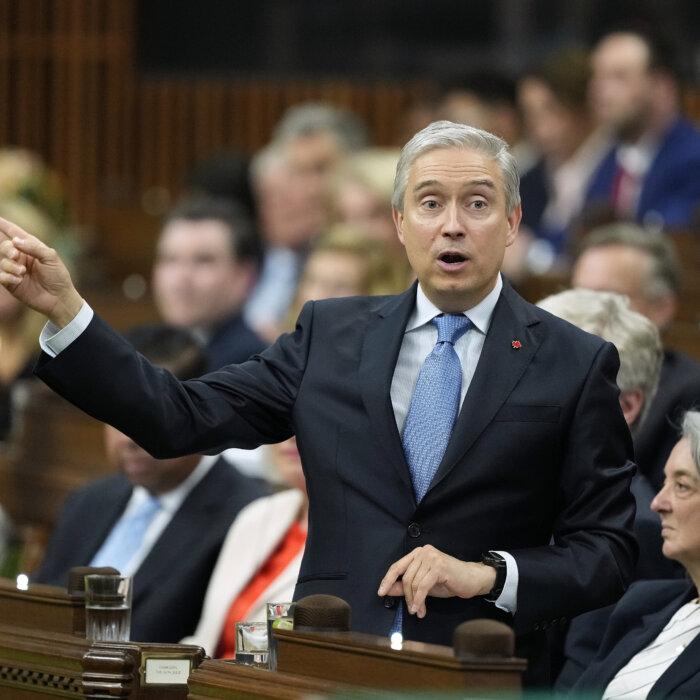
The Manitoba government announced in February that it would be investing $36.4 million over two years in port and rail developments for Churchill, while Ottawa announced in March that it would provide $175 million over five years to support the operations of the Hudson Bay Railway linking Churchill to the rest of Manitoba.
While Churchill can deal with larger ships than those that can be brought through the St. Lawrence Seaway, it has a limited shipping season due to ice in Hudson’s Bay. The shipping season could be extended further with icebreakers, but it will be several years before Canada builds and acquires the ships to complement its current fleet of 17 icebreakers.
During an Aug. 26 press conference in Latvia, Carney said the new port in Contrecoeur “could be one of the first projects” built under Bill C-5, but added, “I’m not saying it’s definitively one of the first projects.” Carney also said Churchill has the potential to unlock “major indigenous leadership and participation” and the shipping of critical minerals to Europe.