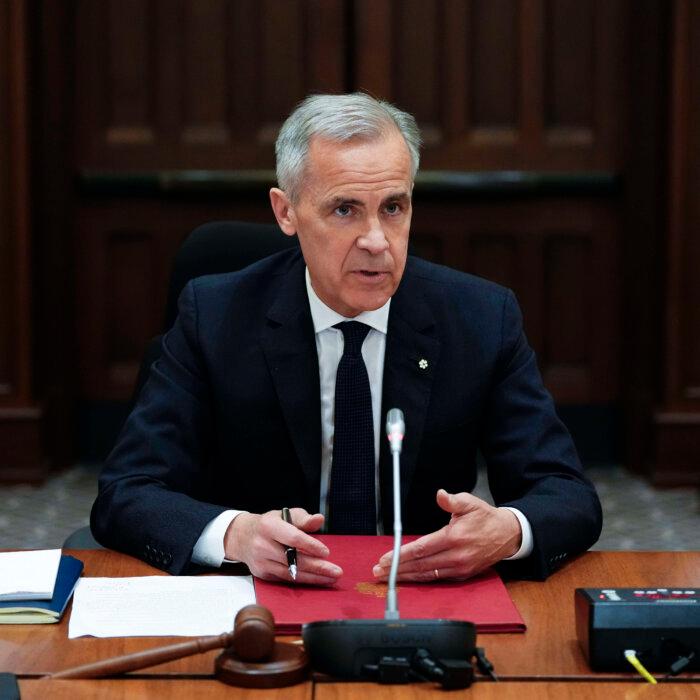
Prime Minister Mark Carney met with oil and gas executives in Calgary this weekend to explore “partnerships” and gather feedback on his strategy to establish Canada as an energy superpower.
Carney conducted a private roundtable discussion with more than two dozen members of the energy sector on June 1. The meeting marked his first visit to Calgary since taking office.
The meeting was attended by ATCO CEO Nancy Southern, Cenovus Energy president Jon McKenzie, Imperial Oil President John Whelan, Pathways Alliance President Kendall Dilling, and Tourmaline Oil CEO Michael Rose, among others.
“Thank you for convening on a Sunday morning and also for what you’ve all been doing to help build our country, build our economy, build the future,” Carney said before thanking the energy leaders who wrote to him after his April 28 election. “I felt it would be best to get together and discuss it in much more detail than through an exchange of letters given the importance of the issues.”
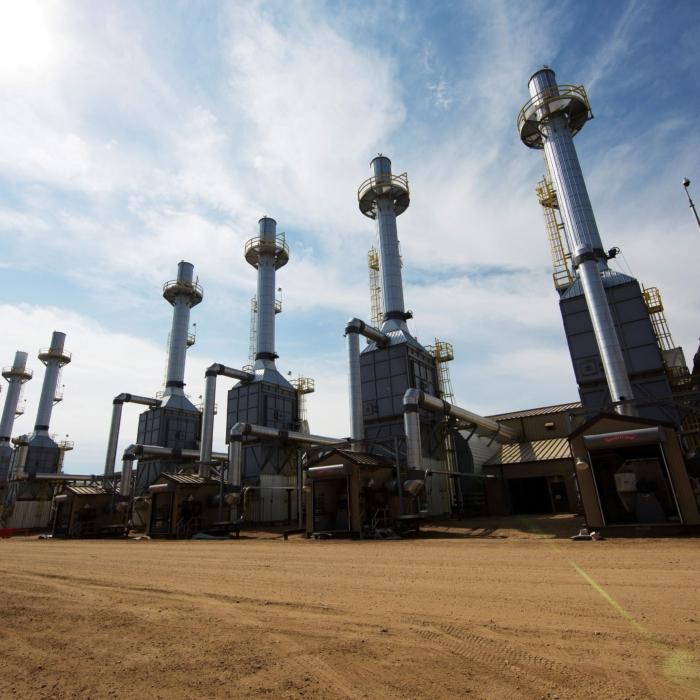
The CEOs said the removal of the federal emissions cap for oil and gas producers and the repeal of industrial carbon pricing would be vital steps to strengthen their industry.
They also asked Ottawa to reduce regulatory timelines to allow approval of major projects within six months of application and to revise the oil tanker ban on B.C.’s north coast, which prevents tankers carrying more than 12,500 metric tons of crude from stopping along parts of British Columbia’s coastline.
Carney emphasized the need to accelerate the review process for major energy infrastructure projects during his election campaign. He also pledged to adopt a “one project, one review” model by recognizing assessments performed by the provinces and territories.
While Carney has removed the consumer carbon tax since becoming prime minister, he has said he intends to make “big industrial polluters pay their fair share for emissions” and to compensate for the consumer fuel charge removal. The Liberal government’s proposed emissions cap regulations released late last year would compel upstream oil and gas operations to reduce emissions to 35 percent below where they were in 2019 in the next five to seven years.
In a CTV interview last month, Carney was asked whether he would consider reversing some of the policies introduced under his predecessor, Justin Trudeau, such as the emissions cap on the sector. Carney replied that he would “change things at the federal level that need to be changed in order for projects to move forward.”
Carney described “partnership” as the theme of his June 1 talks with energy leaders.
Also in attendance at the meeting were Energy Minister Tim Hodgson, International Trade Minister Dominic LeBlanc, and Eleanor Olszewski, the minister responsible for Prairies Economic Development Canada.
“It’s a critical time for our country,” Carney said, stressing the need for “diversification in all its respects” to achieve energy superpower status for Canada.
Alberta Pipelines
Alberta Premier Danielle Smith was asked on her weekend radio show whether she was worried that the federal throne speech omitted any reference to pipelines.“He may not have said the words ‘oil and gas’ and he may not have said the word ‘pipeline,’ but conventional energy means oil and gas, and the only way to get it to market efficiently is through pipelines,” Smith told host Wayne Nelson on the May 31 show.
She added that she is hoping for a one-on-one meeting with Carney at the First Ministers conference in Saskatoon on June 2.
She said if the government didn’t address the demands it would result in an “unprecedented national unity crisis” for Canada.
When questioned by Nelson about the repercussions from Alberta if Carney fails to deliver, Smith said she prefers to maintain an optimistic outlook.
“That in and of itself, doesn’t make us an energy superpower,” he said in the May 13 interview. “We have all the components in nuclear, in hydro, potentially in carbon capture and storage, which is going to be one of the determinants of competitiveness and productivity in a number of sectors.”