Prime Minister Mark Carney says there’s been progress made following his visit to the U.S. capital, which included a dinner with U.S. Vice President JD Vance.
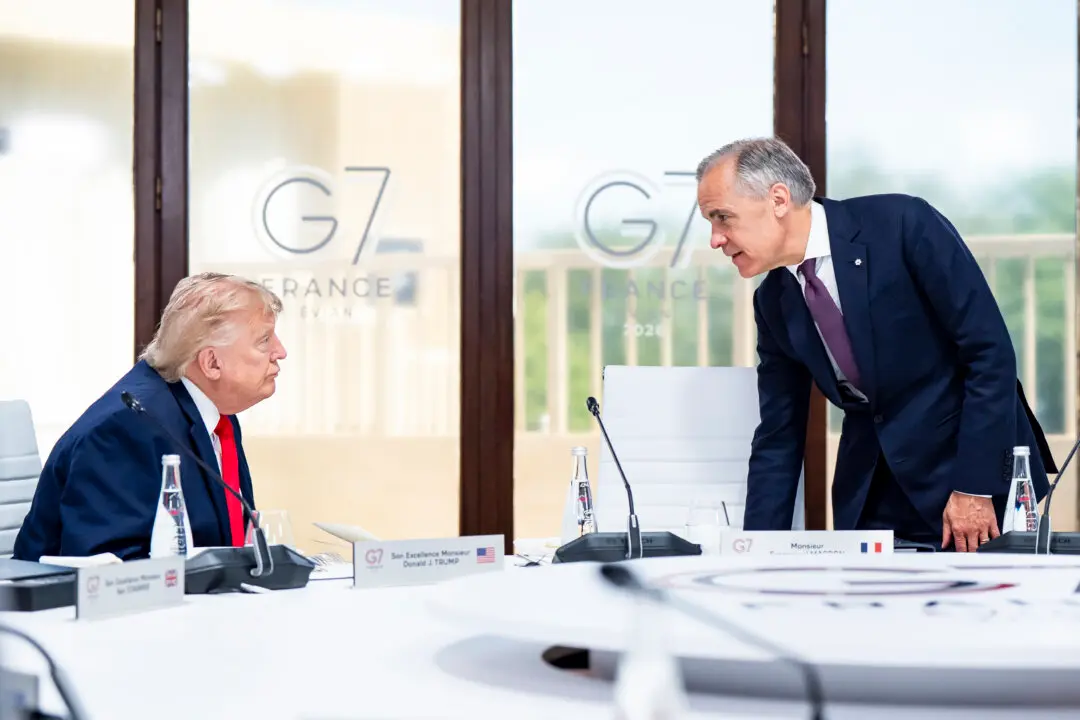
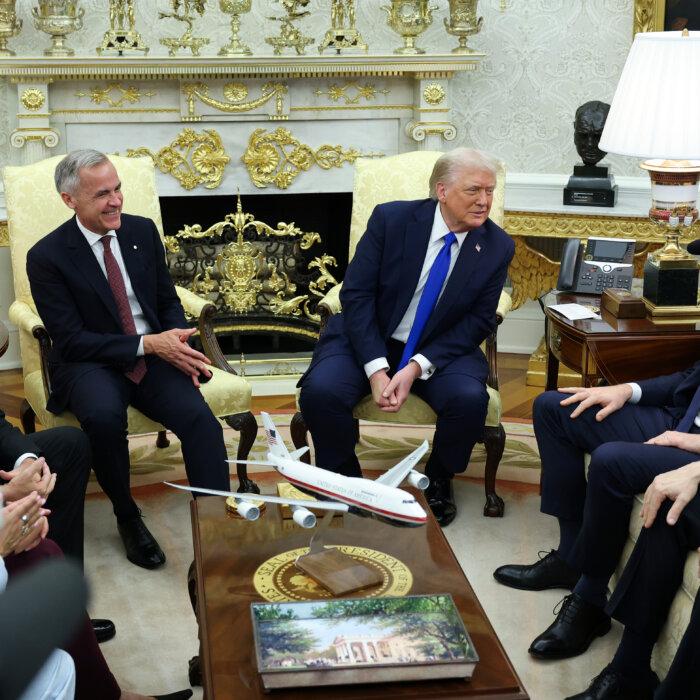
Carney went to Washington, D.C., to meet with U.S. President Donald Trump this week to discuss trade, security, and defence. No deal was announced after the meeting, but Carney touted progress being made, and Trump said he was prepared to make new agreements with Canada.
Carney also met for dinner with U.S. Vice President JD Vance and Second Lady Usha Vance at their residence on Oct. 7, where they furthered discussions on the countries’ priorities, trade, and defence, the PMO said.
Potential Deals
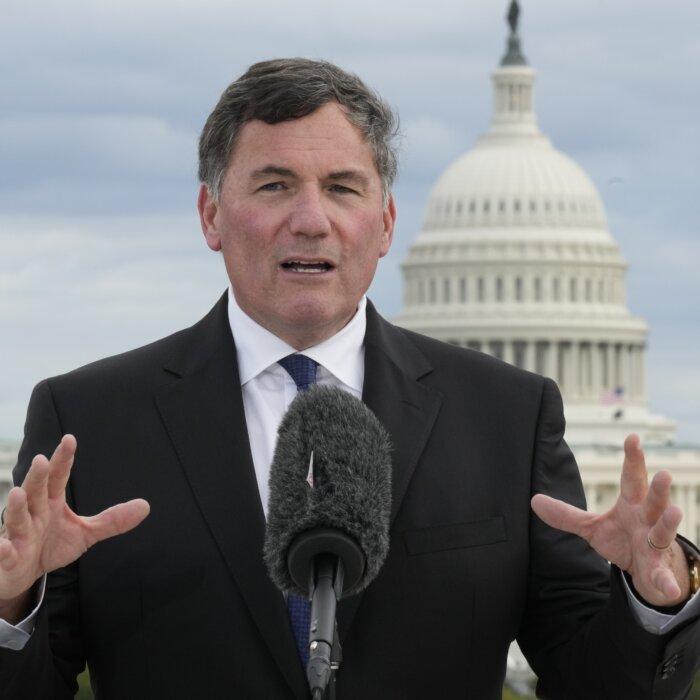
Canada-U.S. Trade Minister Dominic LeBlanc, who accompanied Carney on the trip, told reporters on Oct. 7 he was “very happy” with how discussions in Washington had gone and noted there is “momentum” growing, but that “the work continues” in reaching a finalized bilateral agreement.The United States imposed 35 percent tariffs on all Canadian goods that fall outside the USMCA at the beginning of August, along with sectoral tariffs on steel, aluminum, copper, automobiles, and softwood lumber.
Carney said during the meeting with Trump that Canada is the “largest foreign investor in the United States,” spending half a trillion dollars in the last five years, and is prepared to invest $1 trillion in the United States over the next five years if Ottawa receives the trade deal it’s hoping for.
Conservative Leader Pierre Poilievre criticized Carney in the House of Commons on Oct. 8 for not securing a deal while at the same time promising $1 trillion in investments in the United States.
USMCA, Golden Dome
The prime minister also met with several U.S. senators to discuss the upcoming review of the USMCA. During his meeting with Carney, Trump suggested he was looking forward to renewing the USMCA, but is also open to doing “different deals.”“We’re allowed to do different deals,” Trump said. “If we were, we might make deals that are better for the individual. I don’t care. I want to make whatever the best deal is for this country, and also, very much with Canada in mind.”
If the USMCA is renegotiated, Trump said there would still be tariffs between Canada and the United States. Trump renegotiated the USMCA during his first term and had touted it as a major accomplishment, but has been critical of the agreement in his second term, specifically around issues like Canadian tariff quotas in its supply management system.
The two leaders also discussed cooperating in defence efforts, including those in the Arctic. Trump said the two countries would be working together on his Golden Dome missile defence system, but LeBlanc told reporters that while Canada is open to joining the endeavour, no formal agreement has yet been made.
During their meeting, Trump said Canada and the United States are in a “natural conflict” as they compete over the same industries, which in a lot of cases have operations on both sides of the border. He said the fact that the two countries are neighbours makes reaching a deal difficult.
“President Trump and I know that there are areas where our nations can compete – and areas where we will be stronger together. We’re focused on building these new opportunities to create greater certainty, security, and prosperity for our workers and businesses,” Carney said in the Oct. 8 statement.