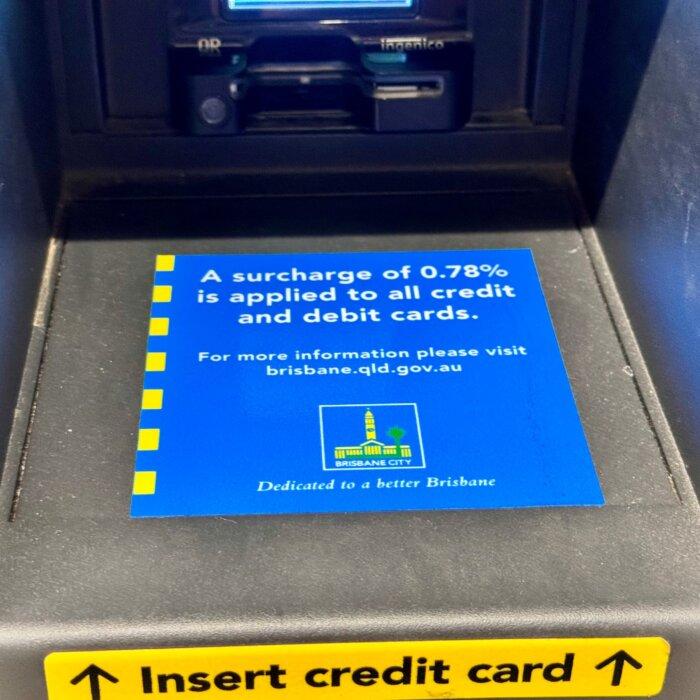
Australians will no longer pay surcharges on debit or credit card payments from October 2026, after the Reserve Bank of Australia (RBA) confirmed a sweeping overhaul of the payments system.
The Reserve Bank’s Payments System Board concluded in its final report released on March 31 that removing surcharges, lowering interchange fees, and increasing transparency would save customers about $1.6 billion per year (US$1.09 billion).
The surcharge ban will apply to debit, prepaid, and credit cards across EFTPOS, Mastercard and Visa networks.
The RBA said the current surcharge system, introduced more than two decades ago, is no longer effective, with many businesses applying uniform charges and fewer consumers using cash.
Treasurer Jim Chalmers welcomed the decision, saying the changes would directly address a long-standing consumer frustration.
“Australians hate paying these charges. Let’s be blunt about it, and the Reserve Bank has done quite a bit of work here. They are responsible for the system that is being changed here. They have the ability to make these changes without the parliament legislating them,” he said.

Chalmers said the reforms would also boost transparency.
Fees Cut, Transparency Boosted
Alongside the surcharge ban, the RBA will lower interchange fee caps paid by businesses, reducing the cost of accepting both domestic and international card payments.An interchange fee is paid by businesses to banks whenever customers pay by card.
Small businesses are expected to benefit the most, as they typically pay fees closer to the existing caps.
New transparency requirements will also be introduced, requiring clearer disclosure of fees by card networks and payment providers to help businesses compare costs and drive competition.
Most of the reforms—including the surcharge ban and reduced interchange caps for domestic transactions—will take effect from Oct. 1, 2026.
Consultation And Next Steps
The overhaul follows an extensive consultation process that began with a discussion paper released in July 2025.The review itself was initiated in 2024, when the government signalled it was open to banning debit card surcharges, subject to RBA consultation and safeguards for businesses.
The Reserve Bank will begin a fresh consultation in mid-2026 to assess whether further parts of the payments system—including mobile wallets, buy-now-pay-later services, and e-commerce platforms—should also be brought under regulation.