The government’s nominee to head the yet-to-be established foreign influence registry told MPs he’s the right man for the job as they assessed his potential to lead the new office.
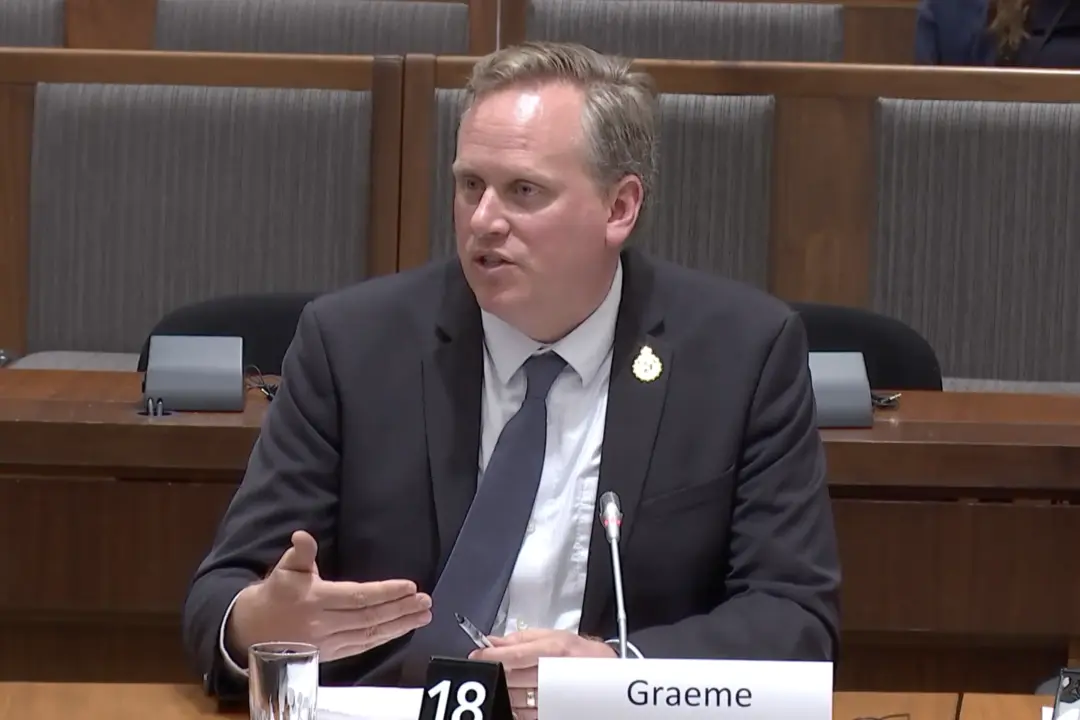
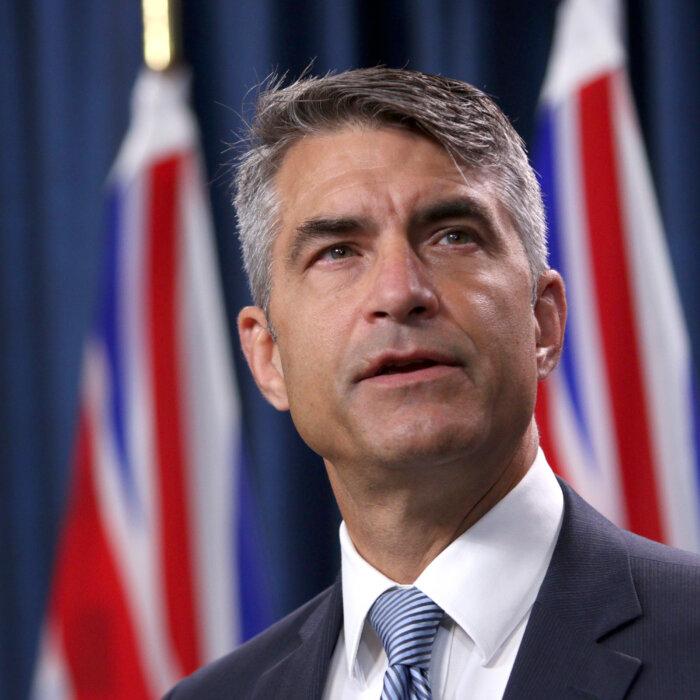
Anton Boegman, a former B.C. chief electoral officer, testified before the House of Commons procedure and House affairs committee on Feb. 26 regarding his nomination as foreign influence transparency commissioner. The Liberal government had announced its intention to appoint Boegman to the position in late January.
“Canada’s institutions and interests are increasingly under threat from foreign interference,” Boegman told MPs. “Maligned foreign actors seek to exert influence through covert means, to shape public policy, change public opinion, or interfere with our democratic processes; all to support their own interests. A critical measure to counter these activities is transparency.”
He said that if appointed Canada’s first foreign influence commissioner, he will “work unfailingly to ensure that activities to influence political and government processes in Canada are made transparent, that foreign actors are deterred from attempted covert influence actions in Canada, and that the regulatory code currently under development is enforced.”
Boegman said he has dedicated his entire career to “protecting and supporting our democracy,” through his previous roles as a naval officer and as B.C.’s chief electoral officer.
‘Strong Deterrent’
Conservative MP Michael Kram asked Boegman how he would ensure the foreign influence registry effectively compels foreign actors to register. Kram cited the example of the old long-gun registry, saying it faced criticism because law-abiding Canadians would register, while criminals would not.
Boegman said he believes the range of administrative monetary penalties under the registry’s regulations provides “a very robust response” to individuals or entities that fail to comply or register.
“I think that will actually form a strong deterrent for these types of covert activities from taking place,” Boegman said.
“Obviously it’s not going to prevent it. I’m not naive,” he added, noting that interference activities have existed for as long as governments have and that the foreign influence registry is just “one tool in a range of tools” to combat foreign interference.
Conservative MP Michael Cooper, who serves as his party’s democratic reform critic, noted that Ottawa has set aside $25 million to the foreign influence office over the next 10 years.
“That works out to roughly $2.5 million every year, and that includes everything from securing office space to setting up, supporting IT infrastructure, to paying salaries for staff,” Cooper said to Boegman. “From your standpoint, are you satisfied that your office is sufficiently resourced to do the job of administering and enforcing the registry?”
Boegman said he has not yet had the chance to develop a detailed funding plan but said he has “some level of trust that sufficient resources will be provided in order to be effective in that role.”
“I do know that there are mechanisms to seek additional funding if I believe that that additional funding is necessary,” he added.
Before Boegman can be officially appointed, the government must consult with opposition parties and Senate leaders, and receive approval by resolution of the House of Commons and Senate.
Ottawa has said the registry is needed because countries engaging in foreign interference to advance political goals might employ people to act on their behalf without disclosing ties. The legislation was passed amid heightened public awareness about China’s meddling in Canada’s affairs via intelligence leaks in the media and a subsequent public inquiry.
Boegman told MPs that he does not have a timeline for when the office will be operational but emphasized that getting the registry up and running would be a priority and that he would be ready to start immediately if appointed.