The average household in Canada budgets one-third less on groceries per week than a similar household in the United States, a new survey suggests.
A typical weekly food budget in Canada is CA$179, while in the United States, it is US$203, which is equivalent to roughly CA$277, the study conducted by Leger found. The survey included 1,626 respondents from Canada and 1,014 from the United States.
The 35 percent budget disparity suggests that Canadians are responding more stringently to escalating food prices, the survey report said.
Canadian and American respondents both expressed concern over inflation’s impact on grocery prices, however. Seventy-seven percent of Canadians said they felt anxious about increasing costs, compared to 76 percent of their American counterparts.
Respondents from both countries also plan their grocery shopping in advance. Ninety-three percent of Canadians and 90 percent of Americans polled said they either “totally” or “somewhat” plan what they will buy ahead of time.
Canadians also demonstrated a greater willingness to support higher prices for local goods, with 51 percent willing to accept the trade-off to assist domestic producers, while only 43 percent of Americans shared this view. Those over the age of 55 were the most likely to share this opinion.
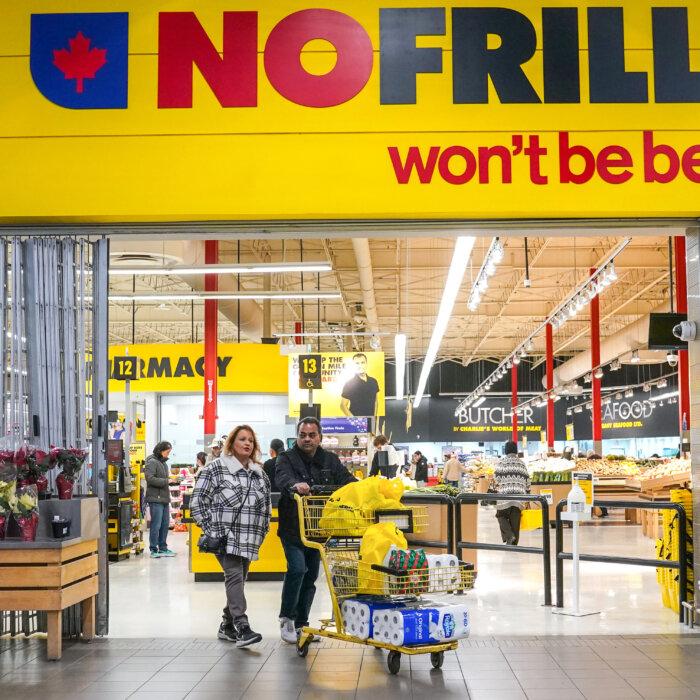
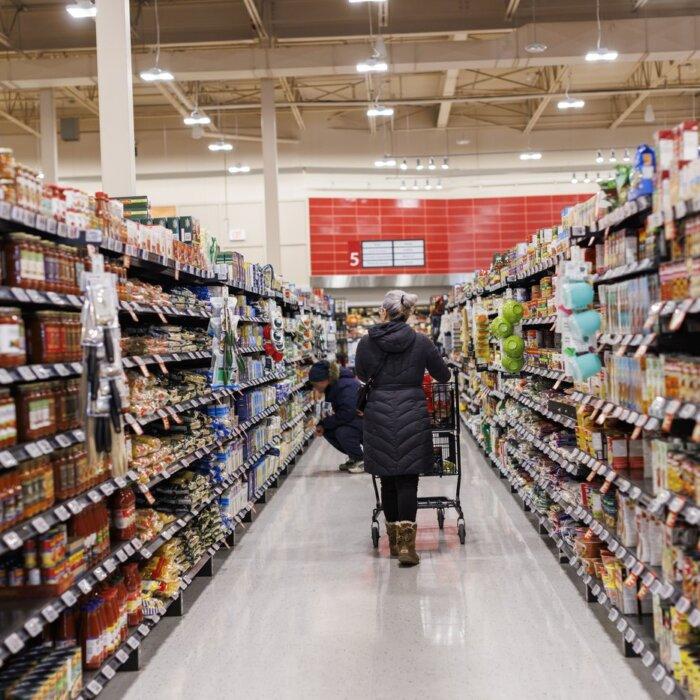
Despite the financial pressures associated with buying groceries, many respondents from both countries regarded food as something beyond just a basic need.
While 47 percent of Canadian respondents and 54 percent of U.S. participants described food as “something you need to live,” many also saw food as being integral to enjoyment and social interactions.
Forty percent of Canadians and 43 percent of Americans associated food with spending time with loved ones, while 33 percent of Canadians and 34 percent of U.S. respondents associated food with feelings of pleasure and happiness.
Canadians have reported anxiety about food prices in recent polls. The Canadian Food Sentiment Index published in May by Dalhousie University’s Agri-Food Analytics Lab found the rising cost of food was the biggest worry for most of those surveyed, surpassing concerns about the cost of housing, utilities, transportation, and child care.
The survey found that 42 percent of people surveyed identified cost as their top consideration when grocery shopping.
“Food is one of the most visible indicators of inflation,” said food systems expert Dr. Sylvain Charlebois in a recent interview with The Epoch Times. “Every trip to the grocery store is a reminder of how much further a dollar doesn’t go. With rising housing and debt costs, food becomes the first place where people feel squeezed—and they’re paying attention.”