Fossil fuels accounted for 76.3 percent of Canada’s total energy use in 2024, compared with 76.7 percent in 1995, according to the report, which was released July 21.
Natural gas made up 37.6 percent of Canadian energy usage in 2024, while refined petroleum products like gas and diesel comprised 35.7 percent. Remaining sources such as hydro, nuclear and other renewable energy sources made up 23.7 percent.
The report, authored by Kenneth Green, Julio Mejía and Elmira Aliakbari as part of the Fraser Institute’s Mathison Energy Research Initiatives, finds that total Canadian energy consumption rose 26.6 percent between 1995 and 2024 as the population and economy grew.
At the same time, the report finds an increase of 43.2 percent in consumption of natural gas, 18.4 percent of refined petroleum products and 29.2 percent growth in consumption of hydro, nuclear and other renewable energy sources.
Despite this surge in growth, hydro, nuclear and renewables only increased from 23.2 percent of the overall energy mix in 1995 to 23.7 percent in 2024.

Transportation and Industry
Industry, transportation, and the residential sector remain the three biggest consumers of energy in Canada and have continued to depend mostly on fossil fuels in the past three decades, the report finds.
The industrial sector used the most energy in 2024, consuming 35.4 percent of the total. The report finds that 74 percent of that came from fossil fuels, including 58.3 percent from natural gas and 9.6 percent from refined petroleum products.
“The industrial sector—which includes mining and oil and gas extraction, manufacturing, forestry and logging, and construction—is the largest consumer of energy out of all Canadian economic sectors,” the report notes.
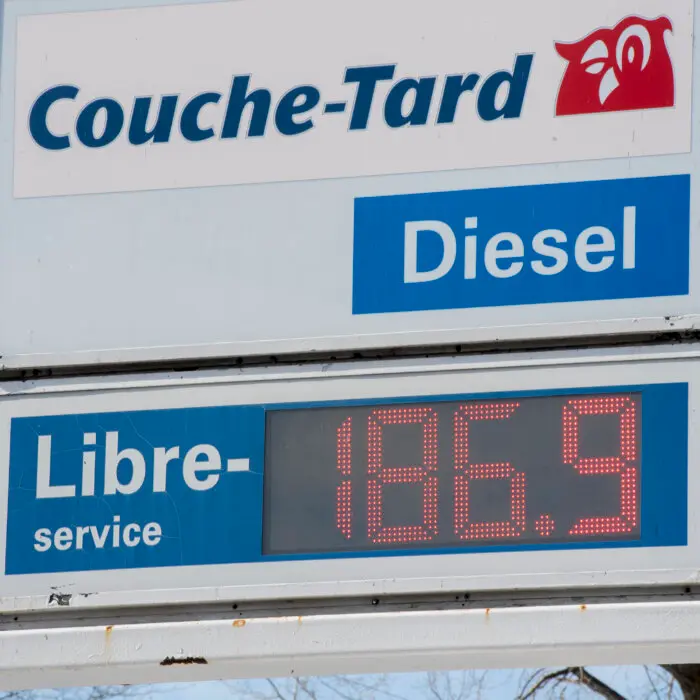
Transportation ranked second, accounting for 30.5 percent of Canada’s energy consumption in 2024. Of all transportation energy, 98.7 percent came from fossil fuels.
“While electric vehicles are becoming more common in the passenger vehicle segment, transportation is much broader than personal cars,” the report authors observe. “Aviation, trucking, marine shipping, rail and other heavy-duty transport activities remain overwhelmingly dependent on fossil fuels.”
The third-most energy-intensive sector, residential buildings, comprised 15.4 percent of Canada’s total energy consumption in 2024. Of the total, 50.6 percent came from fossil fuels, mostly from natural gas.
Economic Output
The report also concludes that Canada’s energy sector comprised 6.9 percent of the country’s GDP in 2025, making it the eighth biggest sector in terms of economic output.
The report notes a wide variation by province, with energy accounting for 30.1 percent of Alberta’s economy and 22.7 percent of Newfoundland and Labrador’s economy in 2024, compared to 3.1 percent in Quebec and 2.5 percent in Ontario.
The bottom line, the report concludes, is that efforts to transition away from fossil fuels have not fundamentally shifted the country’s energy mix or economic model.
“Despite ongoing discussions about transitioning away from fossil fuels, the reality is that they remain the cornerstone of Canada’s energy production and consumption,” the report reads.
Policy Incentives
The federal government has also implemented carbon pricing and various regulations aimed at reducing emissions from industry and transportation.
Ottawa argues that a transition to net zero will increase the competitiveness of Canada’s exports, boost important technological innovation, and help fight climate change.
Conservative Party Leader Pierre Poilievre has argued that Liberal climate and environmental policies have weakened Canada’s economy over the past decade by increasing costs for households and businesses while discouraging investment in key resource industries.
He has repeatedly criticized measures such as the federal carbon tax, clean electricity regulations, emissions caps on the oil and gas sector, and lengthy environmental assessment processes, saying they raise the cost of living, reduce Canada’s competitiveness, and drive investment and jobs to other countries, particularly the United States.
Poilievre has maintained that Canada should instead accelerate approvals for resource and infrastructure projects, expand oil and natural gas production, and rely on technological innovation rather than carbon pricing to reduce emissions, arguing this approach would strengthen economic growth while maintaining environmental progress.