Support for the Canadian military and the federal government’s increased defence spending is growing among Canadians, a new survey indicates.
Twenty percent of Canadians reported a neutral impression of the CAF, representing a 3 percentage point decrease from March. Meanwhile, 5 percent reported a very negative or mostly negative impression, which is a decline of 4 percentage points since March.
Positive impressions were most popular among those aged 60 and older, and those living in Atlantic Canada, the survey indicated.
When it comes to whether Canadians trust the CAF to effectively defend the country, 62 percent said they “completely” trust or “somewhat” trust the military, which is a 13 percentage point increase since March. Twenty-six percent said they completely trust the CAF, representing an 8 percentage point increase.
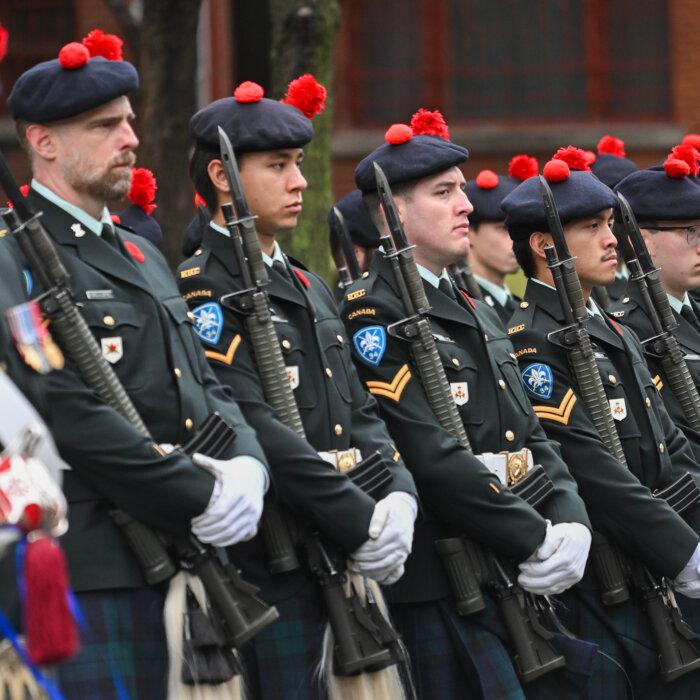
Sixteen percent of respondents were neutral, neither trusting nor distrusting the military, indicating a 4 percentage point decrease, while 14 percent said they somewhat distrust or completely distrust the CAF, which is a 9 percentage point decline.
Defence Spending
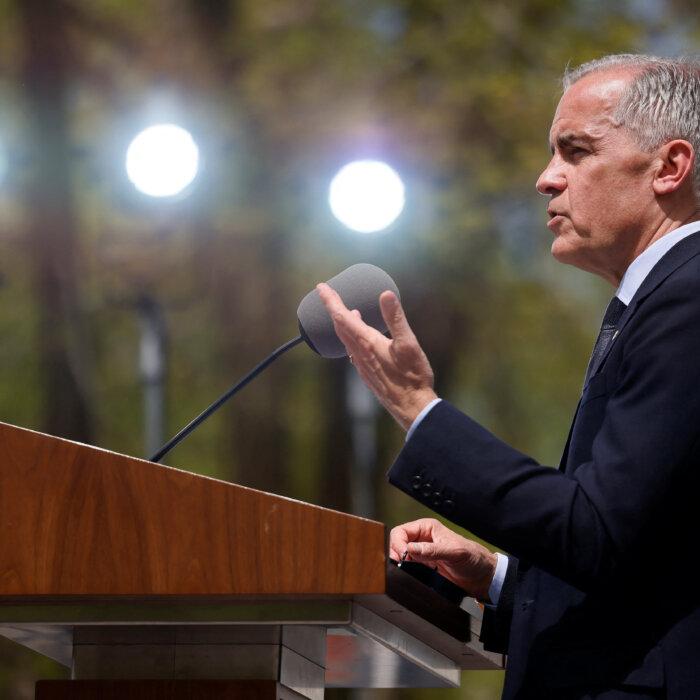
Prime Minister Mark Carney announced on June 9 that Canada will increase its military spending to meet NATO’s defence spending target of 2 percent of GDP by the end of the current fiscal year in March 2026.The survey found strong support for the spending increase among Canadians.
Sixty-two percent of Canadians said they strongly support or somewhat support Ottawa’s decision to increase defence spending, while 18 percent said they accept the announcement, and 9 percent said they oppose it.
Political affiliation appeared to be a factor in supporting the announcement, the survey found, as 74 percent of Liberal voters, 60 percent of Conservative voters, and 51 percent of NDP voters expressed support.
Halting Spending on US Equipment
In Carney’s June 9 announcement, he also said Canada is “too reliant on the United States,” and that Canada should no longer “send three quarters of our defence capital spending to America.”Canadians were asked whether they support or oppose Carney’s move to halt purchasing defence and military equipment from the United States, in both the July and March surveys.
The survey found that support for the decision has softened since March, as 56 percent indicated they support the move, representing an 8 percentage point decline since March. Specifically, those who express strong support have declined by 7 percentage points.
Additionally, 25 percent of respondents indicated they are neither for nor against the measure, which is an increase of 4 percentage points, while 11 percent said they oppose the measure—a 3 percentage point increase since March.
Political affiliation again appeared to be a factor in supporting or opposing the measure, with 67 percent of Liberal voters, 64 percent of NDP voters, and 46 percent of Conservative voters in support. Support from respondents of all three political affiliations declined from March.
CAF Roles and Concerns
Overall, the survey found that Canadians prefer that the CAF focuses on domestic defence and disaster response, rather than international military engagement. The two most critical roles of the CAF, according to respondents, are defending Canadian territory and sovereignty (72 percent) and responding to natural disasters in Canada (71 percent).Additional roles supported by Canadians, but with less indicated importance, include providing jobs and training opportunities (62 percent), representing Canada internationally (61 percent), peacekeeping missions (57 percent), supporting NATO and international alliances (56 percent), and supporting global security efforts (49 percent).
Canadians were also asked about what issues they believe the CAF is facing, to which the most common concerns included outdated equipment (42 percent), difficulty recruiting (40 percent), and a lack of readiness for threats like cyberattacks (31 percent).
Other issues noted by Canadians included declining trust in the institution (24 percent), high attrition rates (23 percent), harassment and misconduct (23 percent), and lack of leadership (20 percent). Twenty-two percent of survey respondents did not provide an answer as they said they did not know enough about the issue to provide an opinion.
The survey was conducted from June 17 to 19 and engaged 1,500 Canadian adults, including a random sample of panelists. The margin of error for a comparable sample size is +/- 2.53 percent, 19 times out of 20. The survey indicates that the data was weighted according to census data to ensure the sample reflected Canada’s population.