Canadians are purchasing fewer electric and plug-in hybrid vehicles, new data from Statistics Canada suggests.
Registrations for plug-in hybrid electric vehicles declined by 2.2 percent in the second quarter compared with the same period one year earlier, but hybrid electric vehicle registrations jumped 60.7 percent, continuing their trend of year-over-year growth, StatCan said. Gasoline-powered hybrid electric vehicles have self-charging capability, unlike electric and plug-in hybrid vehicles that depend on an external power source.
The second quarter of 2025 recorded 541,566 new vehicle registrations, the highest quarterly total since the beginning of the COVID-19 pandemic, despite the presence of auto tariffs and affordability concerns, the report said. The largest increase was seen in vans, where new registrations surged by 29 percent, followed by multipurpose vehicles at 6.8 percent, and pickup trucks at 2.5 percent.
Registrations of new zero-emission vehicles fell 29.5 percent in the same timeframe. The 46,366 vehicles represented 8.6 percent of all new registrations in the second quarter of 2025, a reduction from 18.3 percent in the fourth quarter of 2024.
StatCan said the reduction in zero-emission vehicle rebates are a factor in the decline of electric vehicle sales.

Federal rebates came to an end early this year but provincial mandates have also changed. B.C. suspended its rebate program in May and Quebec decreased its financial incentives in recent months, resulting in a decrease in zero-emission vehicle registrations in both provinces. The sole province that experienced a rise in new zero-emission vehicle registrations was New Brunswick, although this increase was minimal at 1.6 percent.
The most recent StatCan data comes a month after Canada’s energy watchdog predicted a decrease in electric vehicle sales this year.
“Weaker sales in 2025 are likely to be the case for a variety of reasons including current levels of economic uncertainty associated with tariffs, backlash against one of the top selling brands Tesla, as well as the recent pause, cancellation and wind down of incentive programs across Canada,” the regulator said.
EV Mandate
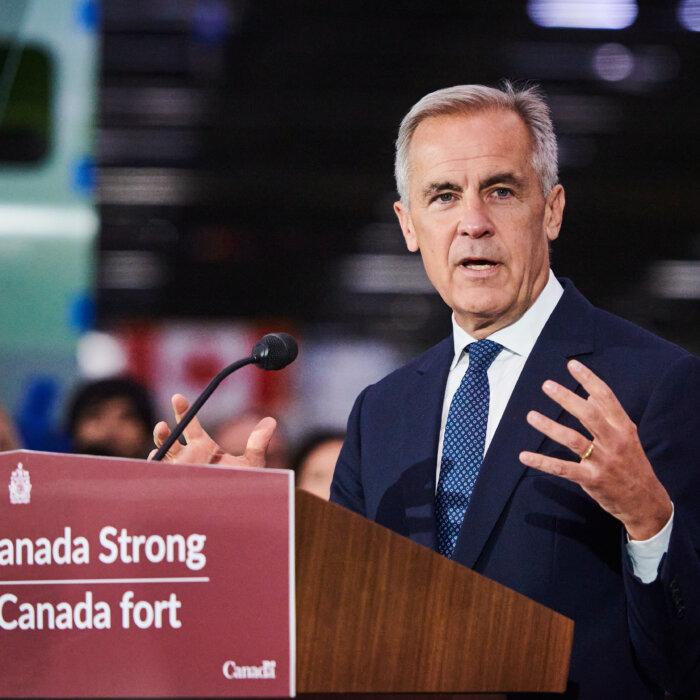
Prime Minister Mark Carney announced on Sept. 5 that the implementation of the federal electric vehicle (EV) mandate would not start with 2026 model year vehicles as initially planned. He also announced an immediate 60-day review of the program. The announcement was part of a series of measures the government introduced to help the sectors most affected by U.S. tariffs.The original plan would have required 20 percent of new vehicle sales to be zero-emission by 2026, with targets rising to 60 percent by 2030, and 100 percent by 2035.
Industry Minister Mélanie Joly has said Ottawa does not intend to eliminate the policy and will instead focus on increasing the production and importation of vehicles.
The Conservative Opposition has also called Ottawa to scrap the mandate, with Tory Leader Pierre Poilievre pledging in August to launch a “nationwide campaign” against it. Tories say Canadians should have the freedom to choose what they drive, and that EVs are not always suitable for Canada’s cold climate and remote rural areas.