Ottawa has awarded two initial contracts worth $66 million to supply up to six class 2 drones to the Canadian Navy in order to boost its reconnaissance and targeting operations.
“The Royal Canadian Navy’s [RCN] Intelligence, Surveillance, Target Acquisition and Reconnaissance Uncrewed Aircraft Systems [UAS] capability is vital in safeguarding Canada’s maritime interests. These advanced systems extend our reach, enhance our situational awareness, and strengthen our ability to respond to emerging threats – both at home and abroad,” said Minister of National Defence David McGuinty.
According to DND, the acquisition contract for the first two drones is around $39 million, taxes inclusive, as well as a contract for five years of servicing them amounting to $27 million, taxes inclusive. The DND says the new drones are expected to have limited operational ability by 2028 and be fully operational by 2032, noting that once the systems are fully operational onboard the navy’s Halifax-class ships, it will be the first time the navy has operated and maintained Class-2 UAS drones.
“These new systems will significantly enhance the RCN’s ability to detect and monitor potential threats, both at home and abroad,” DND said.
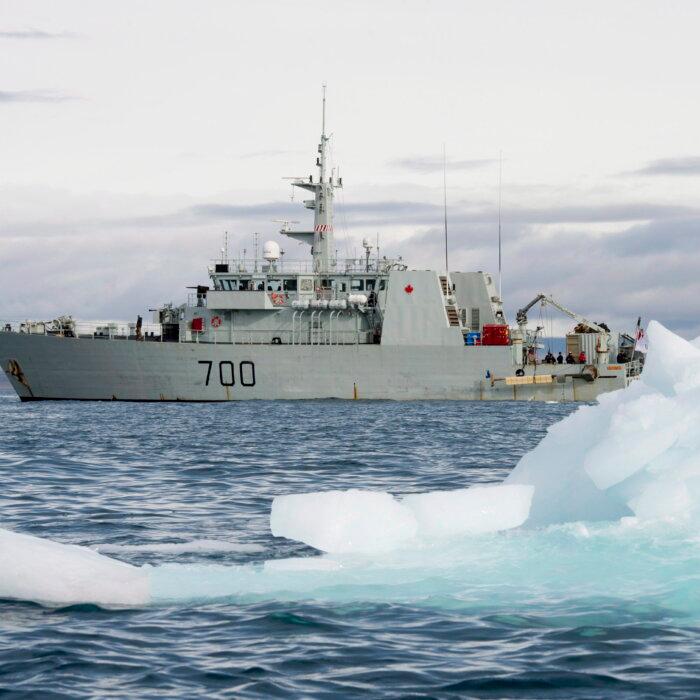
The acquisition of the drones is being heralded as a big step forward for Canada’s ISTAR (Intelligence, Surveillance, Target Acquisition, and Reconnaissance) capability. These systems include an array of drones, ground radar systems, and communications networks. Halifax-class ships are currently outfitted with CH-148 Cyclone maritime helicopters, which will keep providing ISTAR capability until the new UASs are ready to operate.
“These advanced systems will boost our ability to detect and respond to threats at sea, while reinforcing our commitment to innovation and operational readiness in a complex security environment,” said Vice-Admiral Angus Topshee, commander of the RCN.
DND added that as part of Canada’s Industrial and Technological Benefits Policy, MDA Space will be required to generate business and invest in Canada’s aerospace and defence industry to a value equal to the contracts they have been awarded.
The Canadian military’s first combat drones that can be operated remotely from the ground entered production in December of last year, with expected delivery in 2028.