Canada’s GDP grew for a second month in a row in May, increasing by 0.3 percent, according to Statistics Canada.
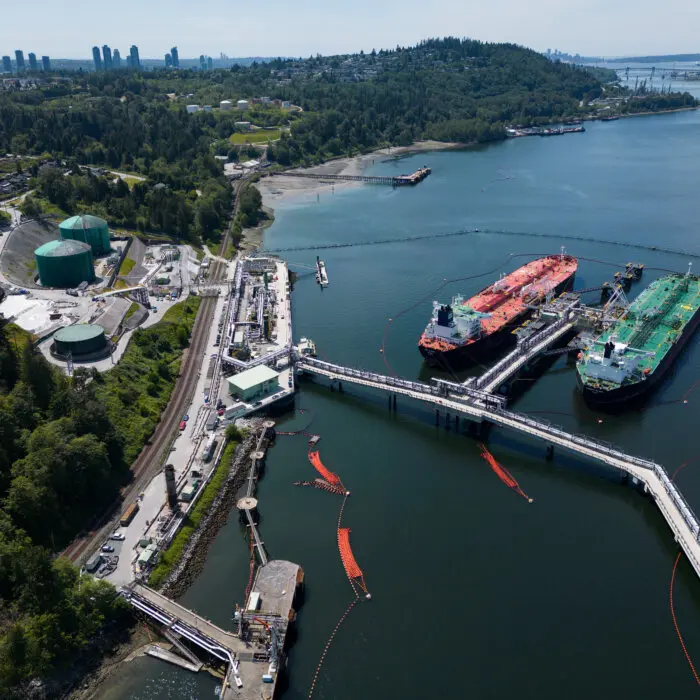
Canada’s oil sands industry grew by 1.6 percent, led by higher crude bitumen extraction in Alberta, while the mining and quarrying industries contracted by 0.7 percent due to lower coal and non-metallic mineral mining.
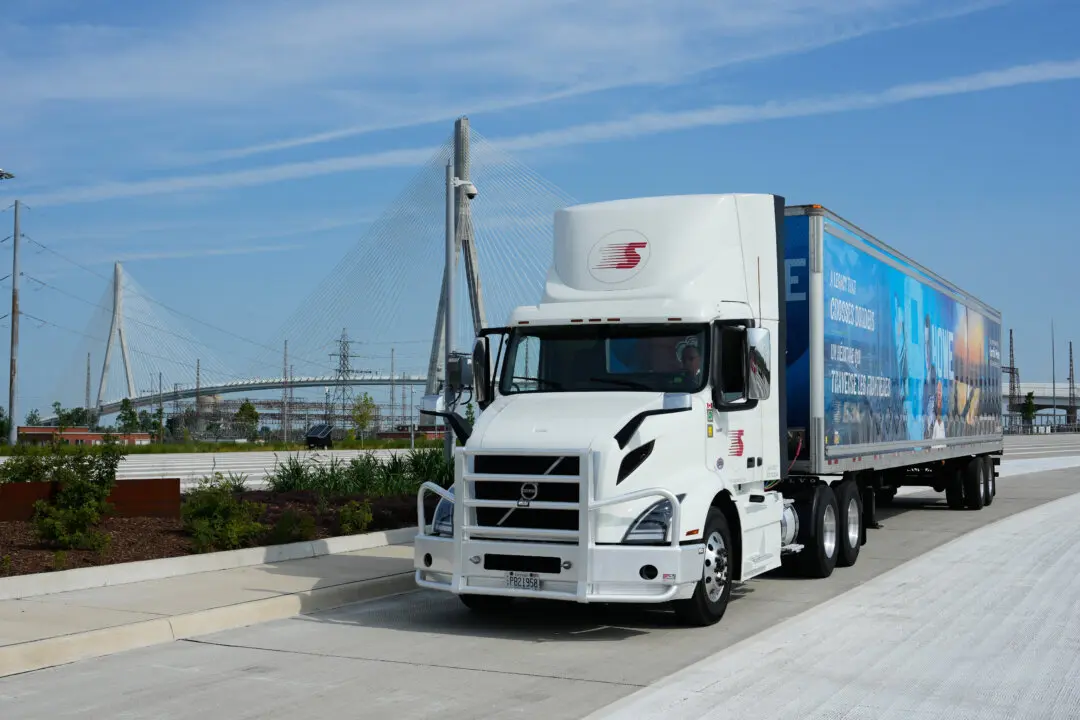
Transportation and warehousing expanded 0.3 percent in May, with higher natural gas exports contributing to a 3.8 percent increase in pipeline transportation. Rail transportation grew by 0.7 percent due to increased movement of grain and wheat.
The country’s manufacturing sector also grew 0.3 percent in May, with a 5.9 percent uptick in chemical manufacturing increasing the metric. While non-durable goods expanded by 1 percent, durable goods manufacturing contracted by 0.2 percent due to a decline in machinery, electrical equipment, and appliance manufacturing.

Finance and insurance also rose 0.3 percent in May, with increases in finance, insurance, and banking activities reflecting “heightened activities in the equity and bond markets amid the uncertainty associated with the conflict in the Persian Gulf.”
Construction also increased by 0.8 percent in May, while real estate and rentals increased by 0.4 percent, and the public sector grew by 0.3 percent.
StatCan projected that Canada’s real GDP increased by 0.2 percent in June, with growth in wholesale, finance and insurance being partially offset by decreases in agriculture, forestry, fishing and hunting. The statistics agency also projected that the country’s GDP increased by 0.8 percent in the second quarter of 2026.