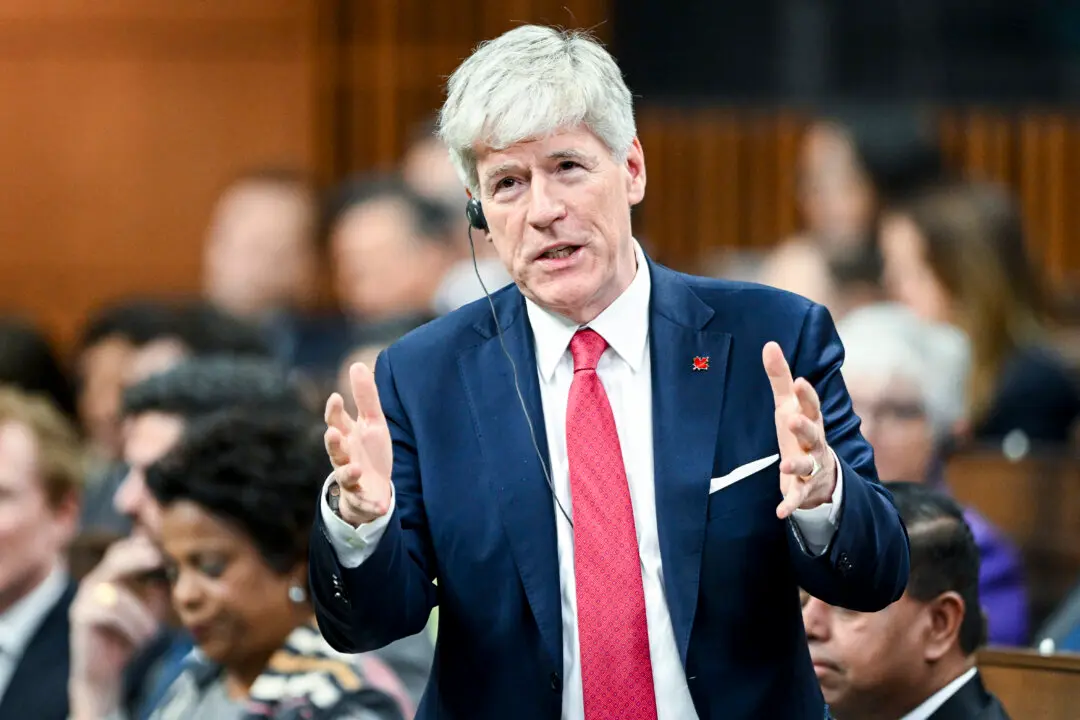
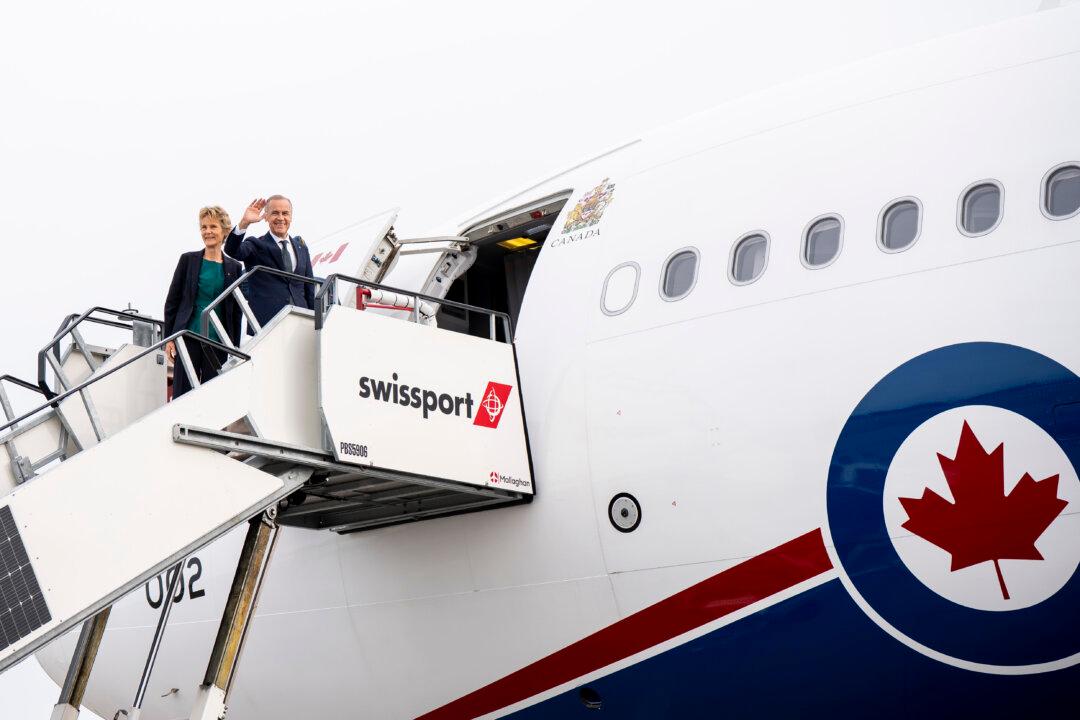
Prime Minister Mark Carney announced Ottawa has selected German defence company ThyssenKrupp Marine Systems (TKMS) as the preferred bidder to build Canada’s next fleet of submarines.
Speaking in Halifax on July 6, Carney said Canada intends to procure up to 12 Type 212CD submarines from TKMS, with the federal government now entering contract negotiations with the company. He said those negotiations are expected to take several months.
Carney had announced nearly a year ago that the field of submarine bidders had been narrowed to the German-designed Type 212CD and the South Korean KSS-III. Both the bidders had until the spring of 2026 to submit their detailed bids.The federal government has not released the price for the submarines, but Carney said the submarines are the biggest defence procurement in Canadian history. The first four submarines could be delivered by 2034.
Canada’s current fleet of Victoria-Class submarines, which were developed by the United Kingdom in the 1990s and purchased by Canada from 2000 to 2004, is currently only used by the Canadian Navy. While the submarines have gone through upgrades to allow them to operate until the 2030s, Carney told reporters that the four submarines are at the “end of their lifespan” and only one is currently seaworthy.
The prime minister said the Type 212CD submarines can operate for over 40 days “fully submerged in near total silence,” have been optimized for frigid Arctic waters, and are interoperable with NATO vessels.
“The Type 212CD sub will operate seamlessly alongside our NATO partners, sharing training, maintenance, parts, technology, and even crews throughout their service lives,” Carney said.
Carney also said the German-Norwegian bid will result in Canada receiving tens of billions of dollars in investment in the areas of defence, critical minerals, autonomous technologies, and research and development. He said the partnership would lead to new “industrial cooperation between Canada and Europe.”
Carney said that Ottawa had made a “difficult decision between two highly-qualified suppliers,” and that both the companies’ submarines met the “very high capabilities of the Royal Canadian Navy.”
Carney said if negotiations with TKMS are unsuccessful, Canada “retains the right” to choose South Korea’s Hanwha Ocean as the preferred supplier and negotiate with them instead.
During a trip to South Korea in October 2025, Carney toured a South Korean submarine during a visit to Hanwha Ocean’s shipyards. Hanwha officials also gave Carney a tour of their production facility that features automated welding by robots.
Carney then said in May 2026 that his government would announce a decision on which company would replace the aging submarines by early summer.
The announcement comes as Canada has boosted its defence spending to meet NATO’s target of 2 percent of GDP on defence, with Ottawa boosting its military budget from $38.3 billion in 2023 to $62.7 billion in 2025. Carney announced in May that Canada had entered into negotiations to procure new Swedish GlobalEye early warning aircraft, instead of buying the U.S.-made Boeing E-7 Wedgetail and the L3Harris Aeris X.
Canada remains committed to purchasing 88 F-35 fighter jets, although Carney ordered a review of the procurement in early 2025 following U.S. tariffs on Canadian goods. Ottawa has since explored replacing part of the order with Sweden’s Gripen fighter.