Canada’s real gross domestic product (GDP) saw a decline of 0.3 percent in August, and preliminary indicators suggest the economy registered little growth in the third quarter, according to a new report from Statistics Canada.
Contributing Factors
The wholesale trade sector experienced a decline of 1.2 percent in August, following three consecutive months of increases, StatCan reported. Motor vehicle and parts wholesalers were the primary contributors to this decline, as activity within the sub-sector fell by 8.3 percent, which coincided with a decrease in both exports and imports of motor vehicles and their parts.Food, beverage, and tobacco wholesalers also experienced a decline in August, dropping 5.2 percent to mark the largest monthly contraction rate since November 2022. The dip served to negate the two prior months of increases and occurred alongside diminished activity within food manufacturing.
StatCan reported that the mid-month work stoppage by 10,000 Air Canada flight attendants in August hindered air transportation operations. This particular sub-sector saw a 4.6 percent drop for the month, representing the largest decline recorded since January 2022.


Pipeline transportation was also down in August, falling 0.7 percent, primarily due to lower transportation of natural gas, StatCan said. This decrease coincided with diminished exports to the United States and a reduction in natural gas distribution activities, as domestic deliveries to residential, commercial, and industrial customers fell in August.
The wholesale trade industry, along with the mining and quarrying sub-sectors, experienced declines in August as well, but this was counterbalanced by an increase in oil and gas extraction, which grew slightly for the third month in a row.
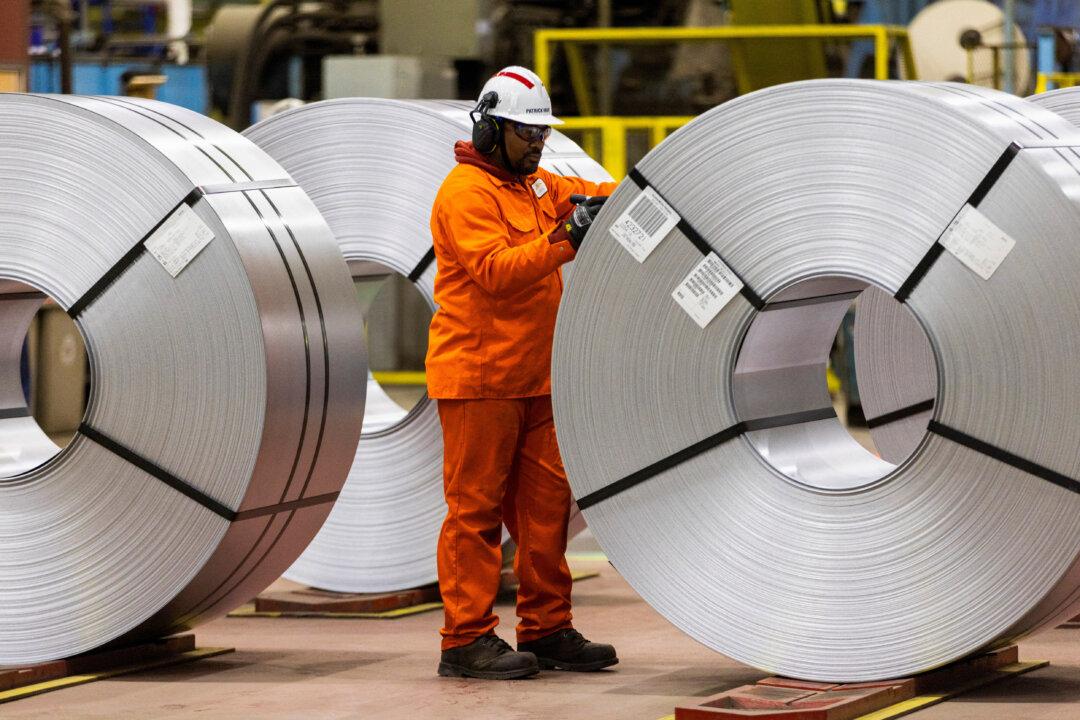
The tariff-sensitive manufacturing industry recorded a 0.5 percent decline, yet initial insights into September’s real GDP figures suggest that the sector could have bounced back last month.
StatCan’s preliminary estimates for September project a 0.1 percent increase in real GDP, driven by growth in manufacturing, finance and insurance, as well as mining, quarrying, and oil and gas extraction. The agency anticipates that ongoing losses in wholesale trade and a downturn in retail trade were hindrances to growth in the previous month.
Expert Predictions
Economic experts say Canadians can continue to expect the economy to struggle in the coming months, fuelled by trade uncertainty brought on by the strained relationship between Canada and the United States.Bank of Montreal managing director of Canadian rates and macro strategist Benjamin Reitzes said there will likely be a few boosts to the economy this month, but the outlook won’t change much until a trade deal is secured.
TD Bank economist Marc Ercolao said although trade-related impacts on inflation and economic growth are becoming increasingly evident, “that doesn’t lower the level of uncertainty in coming quarters” as Canada strives to reach a trade deal with the United States.
Tariffs and trade uncertainty are only part of what Canadians can expect in the coming months, however.
Ercolao said Canadians should not look for any more rate cuts from the Bank of Canada any time soon.